Neurons are responsible for the urge to communicate
As you get older, it becomes harder to maintain friendships, make new acquaintances and just keep in touch with other people. And it’s not just because of busyness, fatigue or changing priorities. A new study in the journal PLOS One shows that the cause may lie right in the structure of the brain. It turned out that the older a person gets, the more his neural networks responsible for socialisation change.
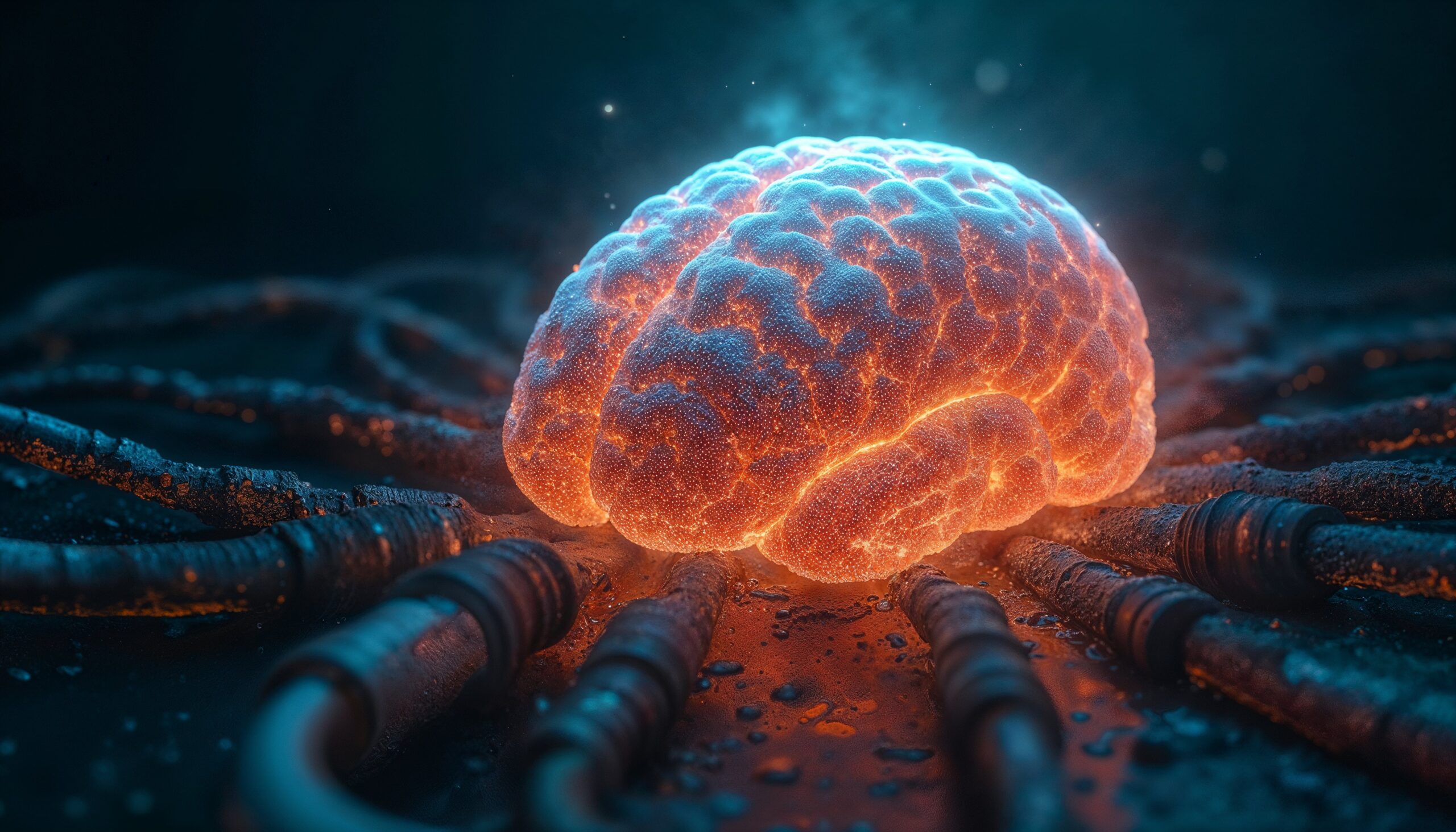
Not all older people become withdrawn. Statistics show that loneliness and reduced social activity are a reality for many. Those who live alone suffer particularly badly. Scientists decided to investigate whether this is related to how the brain works.
Almost 200 people aged 20 to 77 took part in the study. Each filled out a questionnaire about their level of sociability and underwent an MRI scan at rest. This allowed the researchers to assess how brain networks function without external stimuli.
The result was surprisingly accurate. Two opposing networks were identified: one becomes more active with age, while the other weakens. The first, conditionally ‘age-related,’ amplifies internal signals, which, as it turns out, are associated with a decreased desire to socialise. The second, on the contrary, previously supported social activity, but over time its signals decrease.
Both networks operate independently of each other, but together they lead to one thing: it becomes more difficult for a person to take initiative, manage emotions, and feel confident in communication. This is what is called ‘social ageing.’
The main discovery here is that a decline in sociability is not a whim or a character trait. It is a natural process related to how the brain changes. Researchers believe that knowledge about this will help to better understand the behaviour of older people — and to support them, rather than condemn them for being ‘withdrawn.’
Psychologists are already discussing how to use this data to help those who feel lonely. Education, small group communication, and working with emotions can all mitigate the effects of invisible but tangible changes in the brain.
Published
June, 2025
Duration of reading
1-2 minutes
Category
Science
Share


Don’t miss the most important science and health updates!
Subscribe to our newsletter and get the most important news straight to your inbox