Ordinary conversations can tell you about the state of the brain
New data from Canadian scientists shows that the way we talk in everyday life may be an important marker of brain health. Light pauses, frequent “uh,” hitches in choosing words, and features of the pace of speech reflect the work of executive functions — cognitive skills responsible for memory, planning, and flexible thinking.
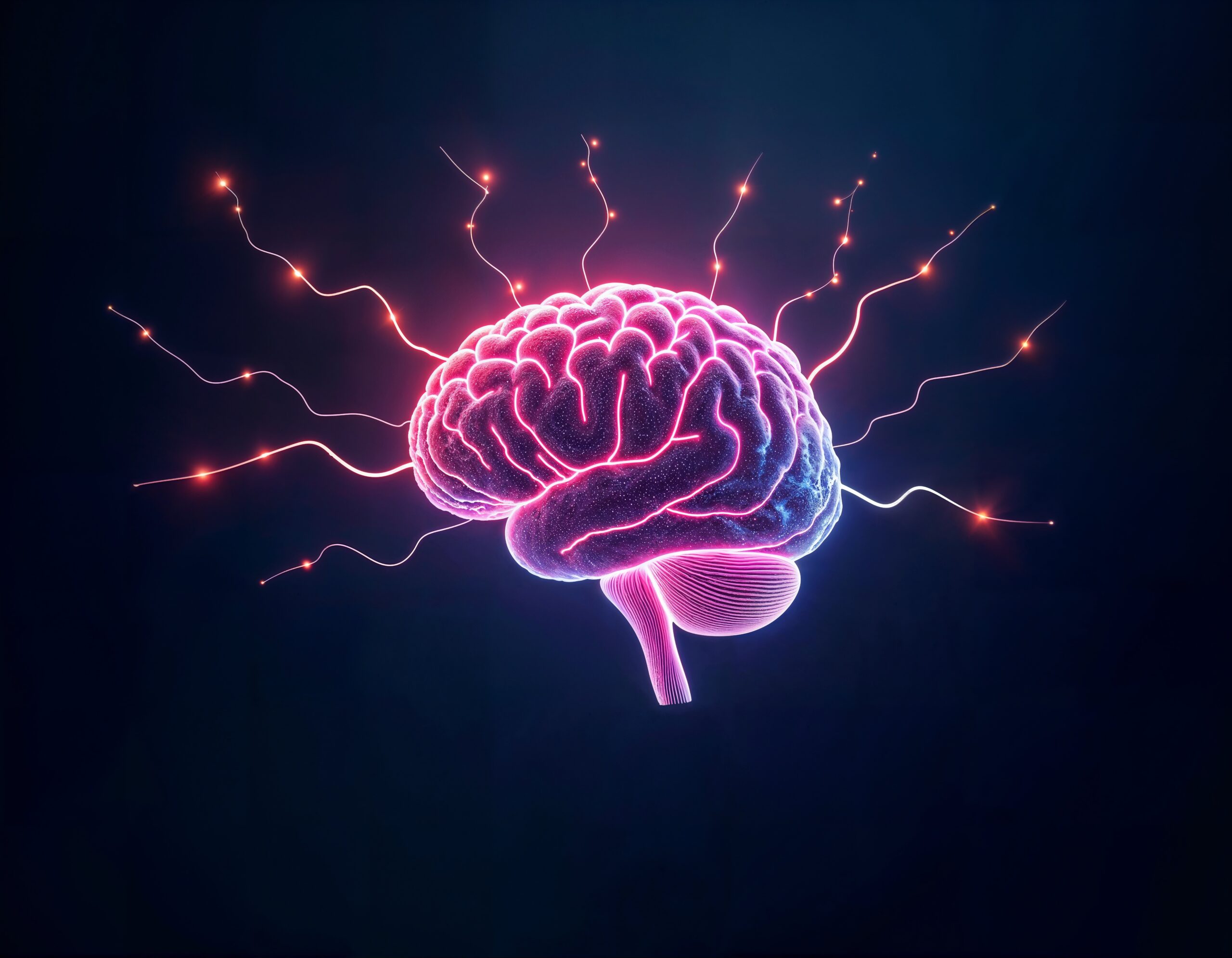
The study participants described complex images in free speech, and then passed standard cognitive tests. Speech recordings were analyzed using artificial intelligence, which determined hundreds of small parameters.:
- the length and frequency of pauses,
- the use of parasitic words,
- tempo features,
- moments when a person finds it difficult to find a word.
It turned out that these speech signs accurately reflect the state of the brain, even if we take into account the age, education and gender of the participants.
Executive functions gradually decline with age and often suffer in the early stages of dementia. But it is difficult to identify their changes: tests take a long time and lose accuracy when reused.
Natural speech is:
- habitual and non-stressful behavior,
- the ability to evaluate regularly and stress-free,
- high sensitivity to minor changes in brain function,
- an accurate reflection of the information processing speed.
According to the study’s lead author, Dr. Jed Meltzer, speech can be a simple and convenient way to detect cognitive decline early — even at home, without a doctor’s office.
Scientists are planning long-term observations to distinguish normal aging from the first signs of the disease. They are confident that combining speech analysis with other diagnostic methods will make early detection of dementia more accurate and accessible.
Published
November, 2025
Category
Medicine
Duration of reading
2–3 minutes
Share


Source
Scientific Journal Journal of Speech. Article: «Natural Speech Analysis Can Reveal Individual Differences in Executive Function Across the Adult Lifespan»
Don’t miss the most important science and health updates!
Subscribe to our newsletter and get the most important news straight to your inbox