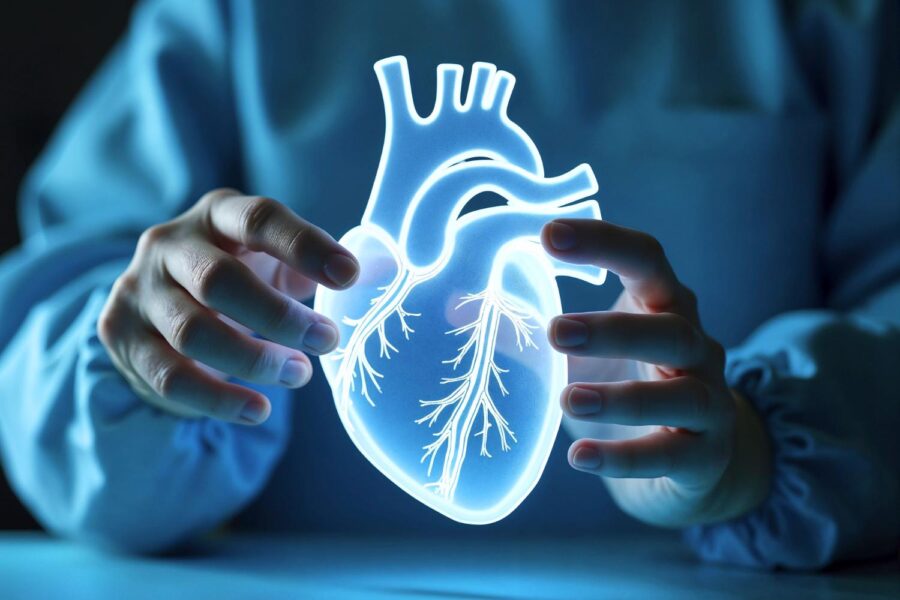
One factor affects fat storage in the liver
Fat accumulation in the liver has long been a mystery. Now researchers have found the key mechanism that triggers this process. It turned out that one protein can affect several links of metabolism at once.
Non-alcoholic fatty liver disease (NAFLD) is one of the most common problems associated with impaired fat metabolism. Although its course may be hidden, the consequences are extremely dangerous: from inflammation to cirrhosis and diabetes. Now scientists have managed to identify the protein that triggers this process.
Interferon regulatory factor 8 (IRF8) has come into focus. Until recently, it was associated mainly with the immune system and tumor processes. But, as experts from Shanghai and Beijing found out, it directly affects the way the body processes fats.
While working with laboratory mice, the experts noticed that in animals with signs of liver obesity, the level of IRF8 in tissues was significantly higher than normal. Moreover, this protein was not just present – it increased fat accumulation in the liver and provoked metabolic failures even with a normal diet, not to mention a diet with a high fat content.
When the researchers artificially blocked IRF8, the liver improved markedly: the volume of fat decreased and metabolic processes normalized. This effect was observed even when maintaining a high-calorie diet.
Further, the experts studied how exactly this protein works. It turned out that IRF8 activates an important circadian rhythm gene – BMAL1, which, in turn, regulates the work of other genes responsible for the absorption and synthesis of fats in liver cells. One of these genes is PPARγ, known for its role in lipid accumulation.
Remarkably, when a substance blocking PPARγ was used, even when IRF8 levels were high, liver cells stopped accumulating fat. This confirmed the key role of the IRF8-BMAL1-PPARγ chain in the development of liver obesity.
In the final experiment, the researchers used a viral vector to reduce IRF8 levels in live animals. The result was impressive: signs of liver obesity were reduced and the overall metabolic status improved.
According to the authors, these findings open the way to new approaches in the treatment of non-alcoholic fatty liver disease and other metabolic disorders. The impact on IRF8 and related molecular pathways may become the basis for effective therapy in the future.
Published
April, 2025
Duration of reading
2-3 minutes
Category
Medicine
Share


Don’t miss the most important science and health updates!
Subscribe to our newsletter and get the most important news straight to your inbox