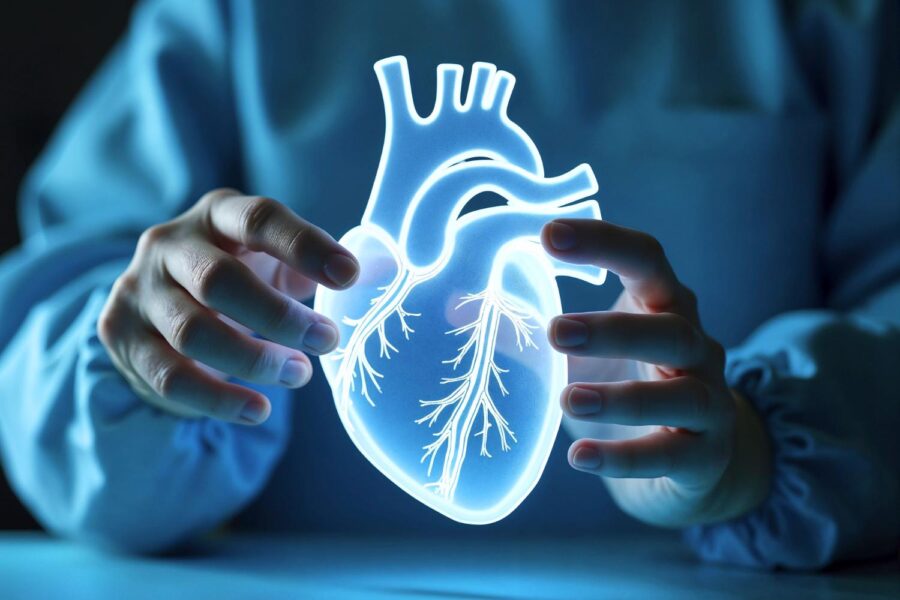
Past illnesses and life experiences leave marks on the cells
The pandemic has clearly shown us how differently people carry the same infection. While some ended up in intensive care, others escaped with a slight fright, and the reason for this injustice lies not only in heredity. It turns out that our body keeps a meticulous record of all the events that happen to us over the years, from the flu to exposure to toxins. Every event, whether it’s vaccination or exposure to pesticides, makes changes to our protective systems. Such molecular changes, called epigenetic changes, actually control which genes will be active and which will remain dormant. The staff of the Salk Institute has compiled a detailed catalog of such marks. A publication in the journal Nature Genetics reveals exactly how innate data and acquired experience intertwine, forming a unique portrait of each individual’s immune system.
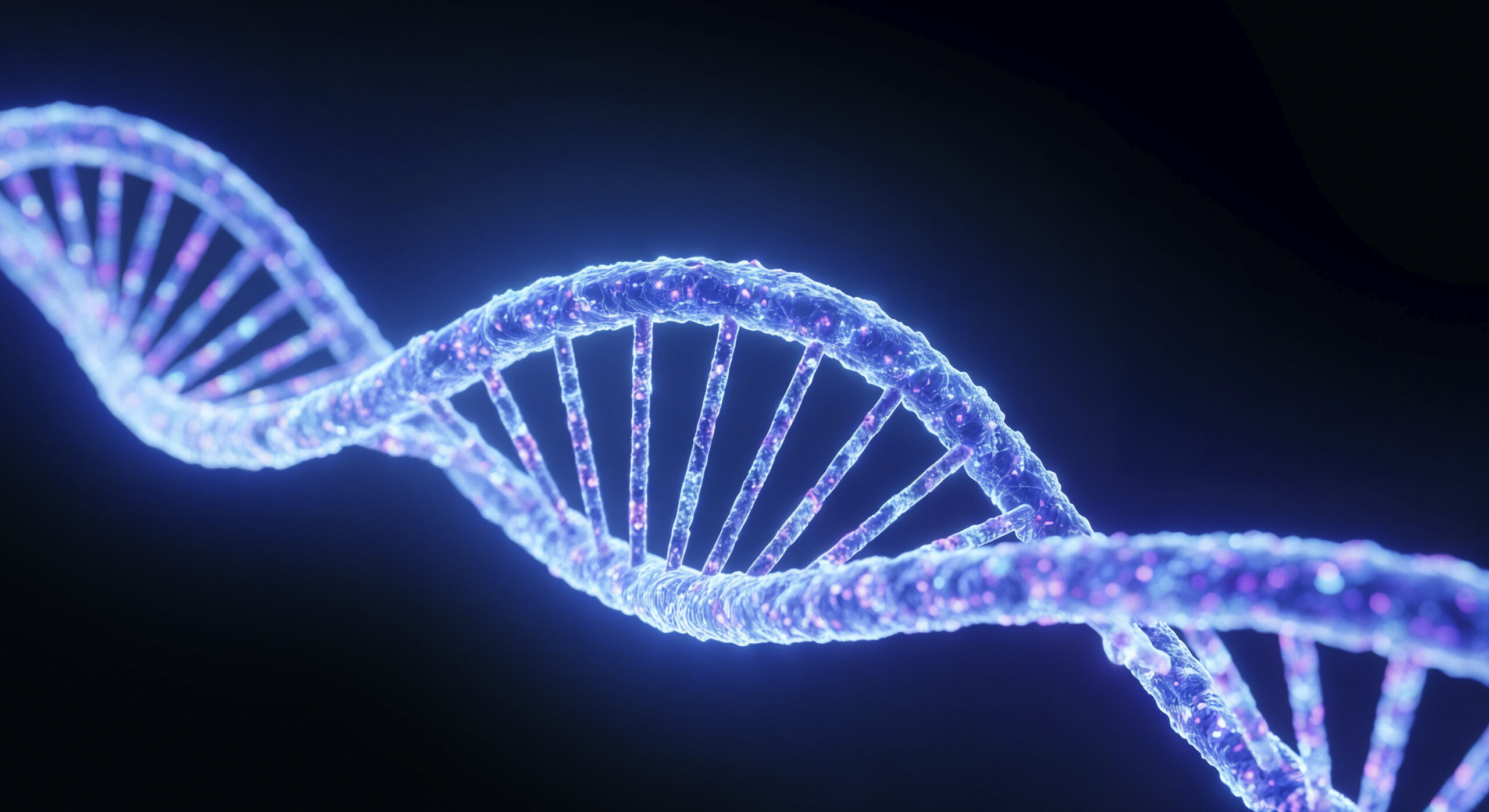
All cells in our body contain exactly the same DNA sequence, but they look and behave completely differently. Diversity is provided by chemical markers that lie on top of the genetic code, like bookmarks in a book. The totality of these labels is called the epigenome. Unlike the stable DNA we inherited from our parents, this layer of information is extremely flexible and constantly changing under the influence of external circumstances.
To understand the mechanism of interaction between innate and acquired, biologists analyzed blood samples from 110 donors. The sample includes people from a wide variety of backgrounds: those who have been infected with HIV, influenza or coronavirus, vaccinated against anthrax, as well as those who have been exposed to agricultural poisons.
Attention was focused on four key types of protective cells. T lymphocytes and B cells are responsible for long-term memory of infections, while monocytes and natural killers provide a quick response to invasion. Analysis of the data showed that genetic variations often act precisely through a change in DNA methylation, turning on or off certain protective mechanisms in response to the disease.
The authors of the project managed to divide the tags into two categories: hereditary and empirically obtained. It turned out that they are located in different regions of the genome. Innate markers cluster around stable sites, providing basic system tuning, especially in long-lived memory cells.
Acquired tags that have arisen after diseases or environmental influences are located in flexible regulatory areas. They determine how the body will react to new threats here and now. This proves that our immune biography is literally recorded at the molecular level, affecting our ability to resist future virus attacks.
The created catalog opens up fantastic prospects for medicine. Having accumulated enough information, doctors will be able to predict the patient’s reaction to the infection even before infection. For example, knowing the epigenetic profile of people who have easily survived covid, it will be possible to identify in advance those who lack the necessary protective tags.
This approach will allow you to move from treating symptoms to accurate prevention. The doctor will be able to read in the blood test exactly how your epigenome will react to encountering the virus, and activate the necessary protective mechanisms therapeutically in advance.
Published
January, 2026
Category
Science
Duration of reading
2-3 minutes
Share


Source
Scientific Journal Nature Genetics. Article: Genetics and environment distinctively shape the human immune cell epigenome
Don’t miss the most important science and health updates!
Subscribe to our newsletter and get the most important news straight to your inbox