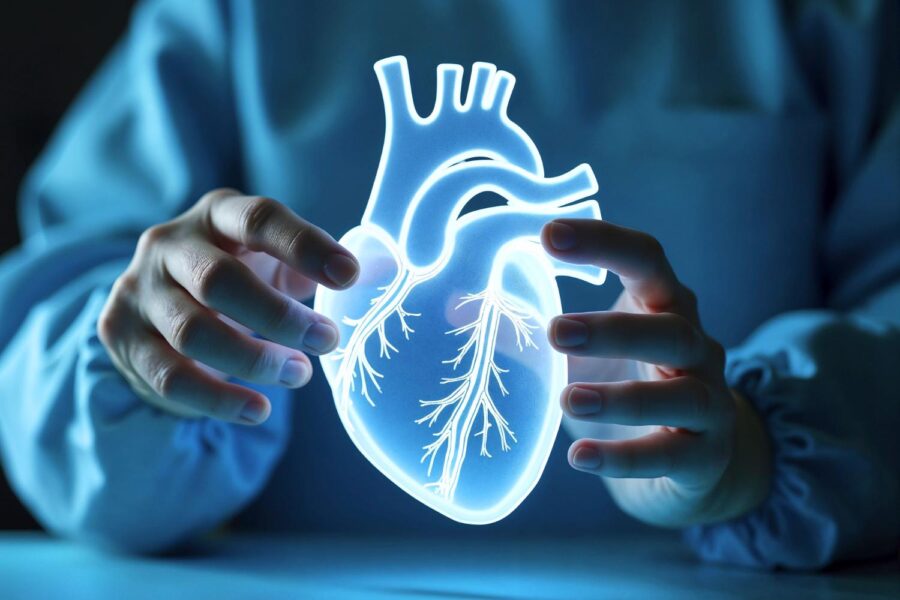
Polyphenols slow down the growth of cardiovascular diseases
A diet that regularly includes foods rich in polyphenols, such as tea, coffee, berries, nuts, cocoa, olive oil, and whole grains, can significantly improve the cardiovascular system as you age. This conclusion was reached by observers from King’s College London, after analyzing data from more than 3,100 adults who were monitored for 11 years.
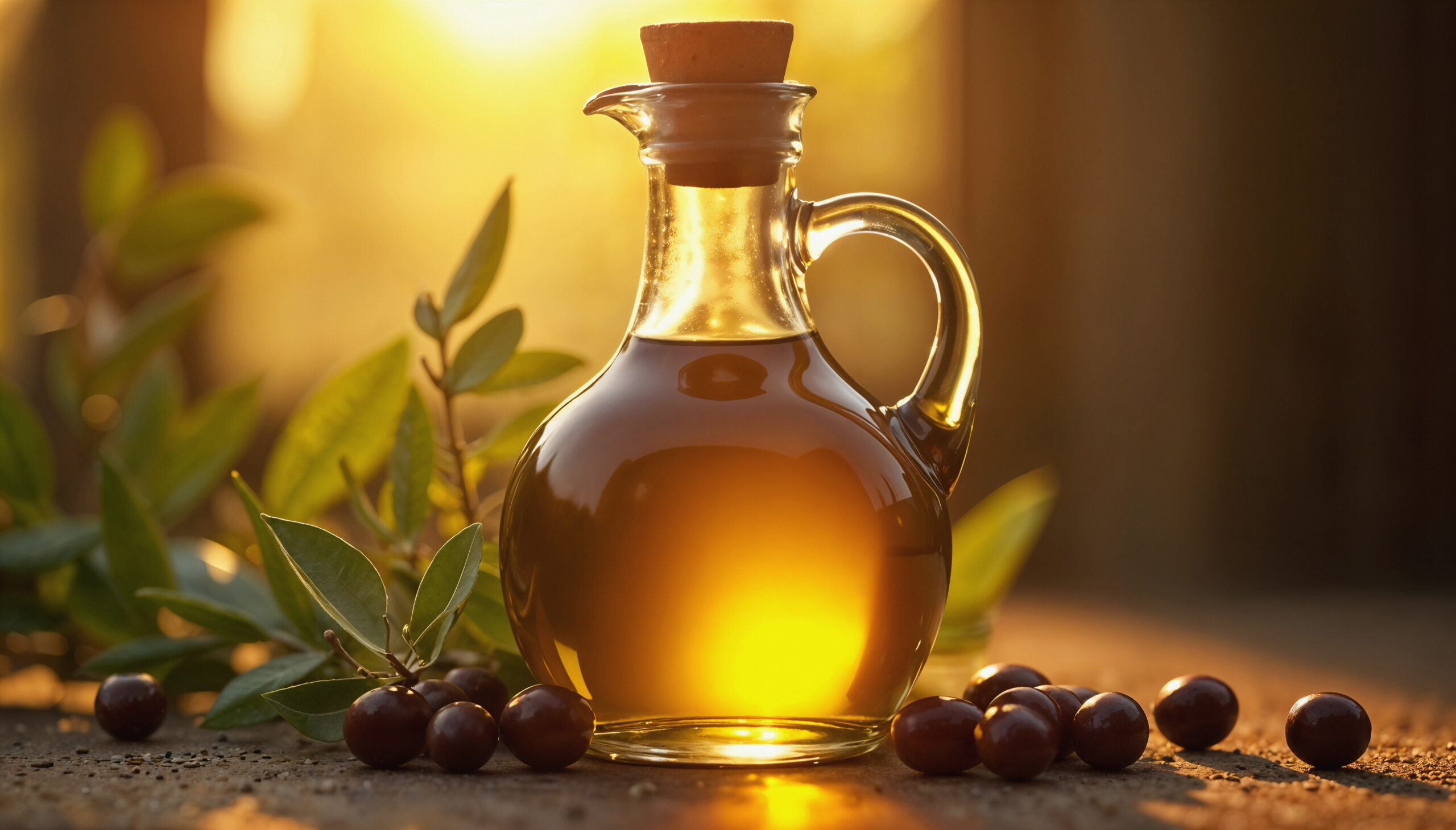
Polyphenols are natural plant compounds known for their anti—inflammatory and antioxidant properties. They support the health of the heart, intestines, and brain, but there have been questions about how much they affect the long-term risk of cardiovascular disease. A new study provides convincing evidence that foods high in polyphenols are indeed associated with better vascular health.
A special “polyphenolic dietary index” (PPS) was developed, which took into account the consumption of 20 basic foods common in the diet of UK residents. The index showed a stronger relationship with the state of the cardiovascular system than estimates of the total amount of polyphenols consumed. According to the researchers, this is because this system reflects the entire type of nutrition, rather than individual substances.
The study participants, whose diet was richer in polyphenols, had healthier blood pressure, better lipid balance, and increased levels of good HDL cholesterol. In addition, a groundbreaking analysis of metabolites in urine — the breakdown products of polyphenols — confirmed that high levels of these substances are associated with lower cardiovascular risks.
Scientists note that the risk of heart disease increases naturally with age, but in people who consistently ate polyphenol-containing foods, this increase occurred much more slowly. Even small changes, such as adding a handful of berries, a cup of tea, or a couple of tablespoons of olive oil, could have a noticeable protective effect on a regular basis.
The authors emphasize that polyphenols are found in affordable everyday foods, which means this strategy may be suitable for most people. Additional clinical studies are planned in the future to clarify how strongly and quickly dietary changes can reduce the risk of cardiovascular diseases.
Published
November, 2025
Category
Medicine
Duration of reading
2–3 minutes
Share


Source
Scientific Journal BMC Medicine. Article: «Polyphenol-rich dietary patterns linked to lower cardiovascular disease risk»
Don’t miss the most important science and health updates!
Subscribe to our newsletter and get the most important news straight to your inbox