Placebo: how belief in recovery actually cures
Placebo is one of the most amazing phenomena in medicine. A simple tablet without active substances can relieve pain, increase efficiency, improve mood and even activate rejuvenation processes. Moreover, as a new study by scientists from the University of Connecticut (USA) shows, the placebo effect is far from illusory – in some cases it can be compared with the effect of real drugs. However, there is also a downside: if the patient is convinced that the drug will cause harm, his or her well-being may actually worsen.
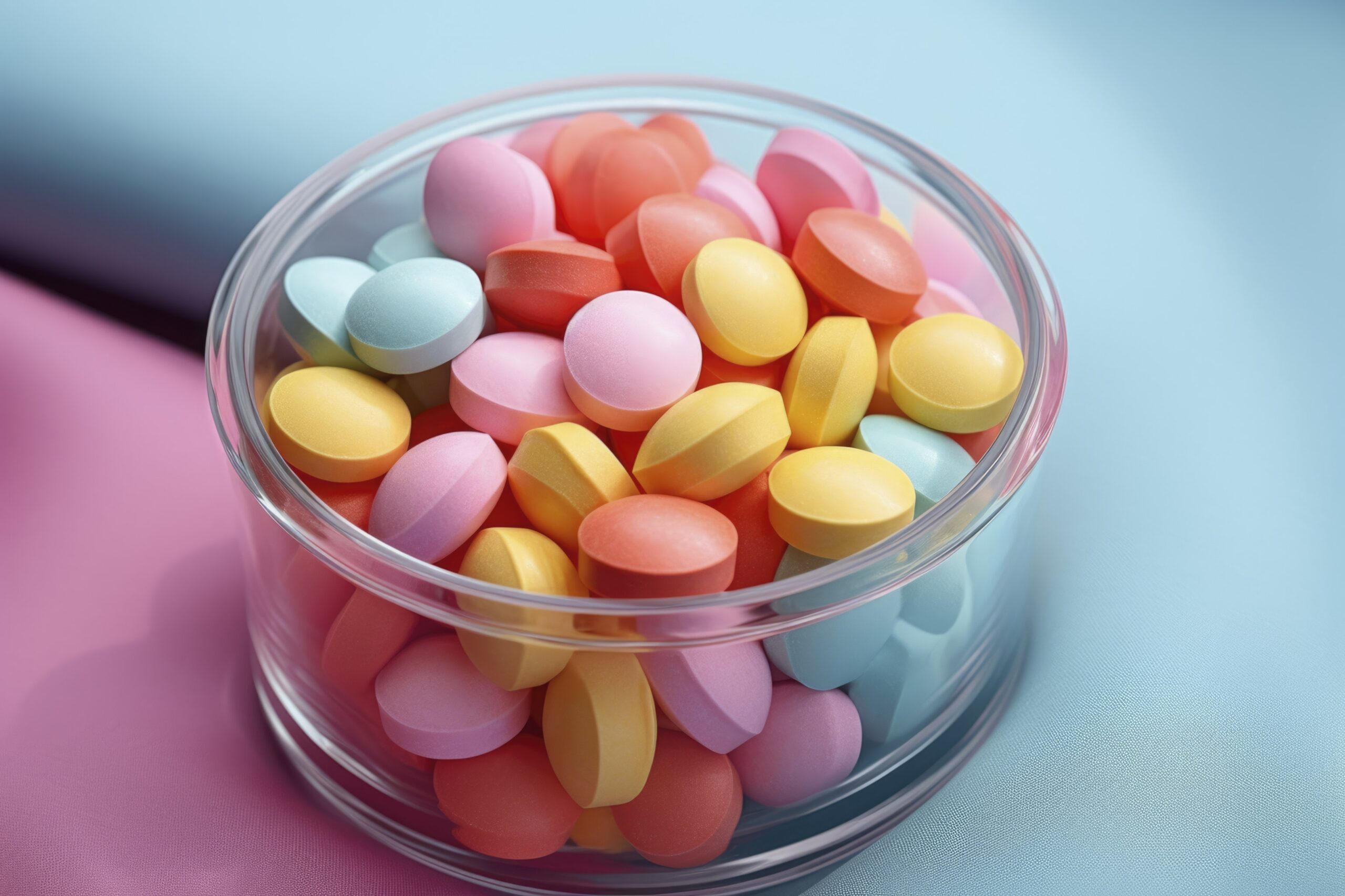
The power of self-hypnosis has been known since antiquity. Healers and herbalists used it long before the advent of modern science, and nowadays placebos are actively used in clinical trials. It turned out that even if the patient receives a pacifier instead of medicine, in about 30% of cases, his condition improves.
Interestingly, placebos do not just affect well-being, but can also cause specific physiological reactions. For example, if a person thinks that he drank alcohol, his behavior changes – speech is disinhibited, relaxation appears. However, impaired coordination or memory occurs only in those who have actually taken alcohol. The same applies to pain relief: studies show that placebos can reduce pain almost as effectively as morphine.
But placebos don’t always work. In one experiment, asthma patients were given inhalers and warned that they contained strong allergens. Soon, half of the subjects actually had a choking attack – even though the inhalers were empty. The same people were then given another inhaler, assuring them that it relieved their symptoms. Again, the miracle happened: the asthma receded.
This effect is called nocebo – if a person believes that a drug will cause adverse reactions, they may actually occur. For example, when patients were warned that aspirin could cause stomach problems, complaints of pain tripled.
Self-hypnosis is such a powerful tool that even simulated surgery sometimes has an effect. In one study, people with knee arthritis were given either real surgery or an incision was made and immediately sewn back up. After two years, it turned out that patients in both groups felt the same relief. In some cases, even those who had the sham surgery reported greater improvement.
Nevertheless, there are diseases in which placebo cannot be relied upon. For example, in appendicitis or peptic ulcer, waiting for a miracle can be fatal.
For a long time it was believed that the placebo effect is simply self-inflicted. However, modern research shows that these are real biological processes. For example, patients with Parkinson’s disease after taking a placebo in the brain recorded an increase in the level of dopamine – neurotransmitter, the deficiency of which causes the symptoms of the disease.
Even more surprising results were obtained by scientists studying migraine. Patients were given either a real drug or a placebo, and the pills were packed in envelopes with different inscriptions: “drug”, ‘placebo’ or ‘drug or placebo’. It turned out that even if a person took real pills, but thought it was a placebo, their effectiveness was reduced. And vice versa – a pacifier labeled “medicine” worked better.
Another experiment showed that even if the patient knows he or she is receiving a placebo, it still works. Volunteers with chronic fatigue took pills that had no active ingredient in them. Despite this, their well-being improved and their energy levels increased.
Although the placebo effect is not a substitute for real medication, it clearly proves how strong the connection between psyche and physical health is. If a person believes in recovery, the chances of improvement are much higher. And if he waits for negative consequences – the body may react exactly as he fears.
Perhaps in the future medicine will learn to manage these processes, enhancing the positive effect and minimizing harm. After all, if a pacifier can heal, it means that we ourselves hide enormous resources for healing.
Published
March, 2025
Duration of reading
4-5 minutes
Category
Medicine
Share


Don’t miss the most important science and health updates!
Subscribe to our newsletter and get the most important news straight to your inbox