Is spicy food good for the intestines
If you like to be sharp, we have news that may surprise you. A new scientific review has shown that capsaicin, the very ingredient from chili peppers, can not only give character to food, but also change the composition of your intestinal microflora — both for the better and for the worse.
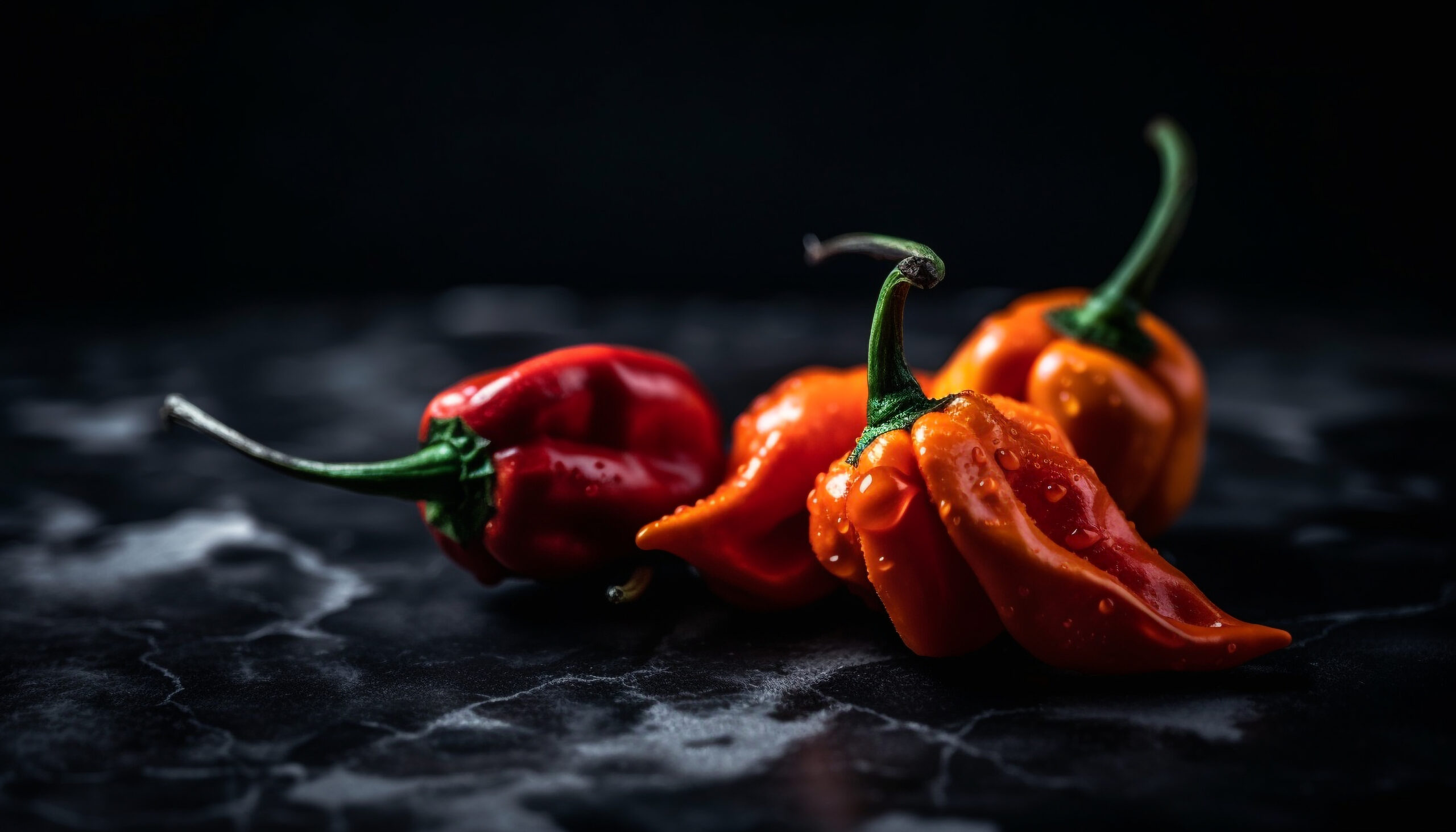
It turned out that this burning alkaloid can affect inflammation, metabolism, and even brain function. But the main character in this story is not only capsaicin itself, but how it interacts with the microbes living in our intestines.
Interestingly, in small doses, capsaicin helped friendly bacteria to multiply and reduced the number of those that cause inflammation. For example, it increased the number of bacteria producing short—chain fatty acids, which improve intestinal health and suppress harmful immune responses. At the same time, the number of bacteria producing toxic lipopolysaccharide (LPS) associated with inflammatory diseases decreased.
But it’s not that simple. At high doses (>80 mg/kg in mice) Capsaicin caused damage to the intestinal mucosa. Moreover, the same effect could manifest itself in different ways in males and females. For example, women and men had different changes in the number of bacteria of the genus Faecalibacterium, which are important for anti-inflammatory protection.
Scientists have also discovered that capsaicin affects not only bacteria, but also the work of our genes and proteins. It can slow down fat accumulation, improve metabolism, inhibit tumor growth, and even reduce the levels of amyloids in the brain — the very ones associated with Alzheimer’s disease. But even here, one cannot do without reservations: in some cases, especially with prolonged use in high doses, capsaicin provoked the development of stomach tumors in mice, probably due to changes in the microflora and serotonin levels.
Finally, an important discovery: capsaicin is able to enter the brain, where it affects neurotransmitters like dopamine and acetylcholine. Such observations open up interesting prospects for research in the field of neuropsychiatry and neurology.
So, if you like spicy food, moderate doses may even be useful. But you shouldn’t overdo it. Every organism is unique, and what helps one may harm another. Scientists continue to explore how capsaicin can be used as a natural health remedy — but wisely and without fanaticism.
Published
July, 2025
Duration of reading
3-4 minutes
Category
Science
Share


Don’t miss the most important science and health updates!
Subscribe to our newsletter and get the most important news straight to your inbox