The health benefits of mung beans
Mung beans (mash) are a traditional bean crop widely consumed in Asian countries. Due to its high nutritional value and mild effect on the digestive system, mash is used both in cooking and in traditional medicine. Modern scientific research confirms that mung beans are able to support heart health, normalize blood sugar levels and improve intestinal function. An international group of researchers has released a material detailing the benefits of these beans.
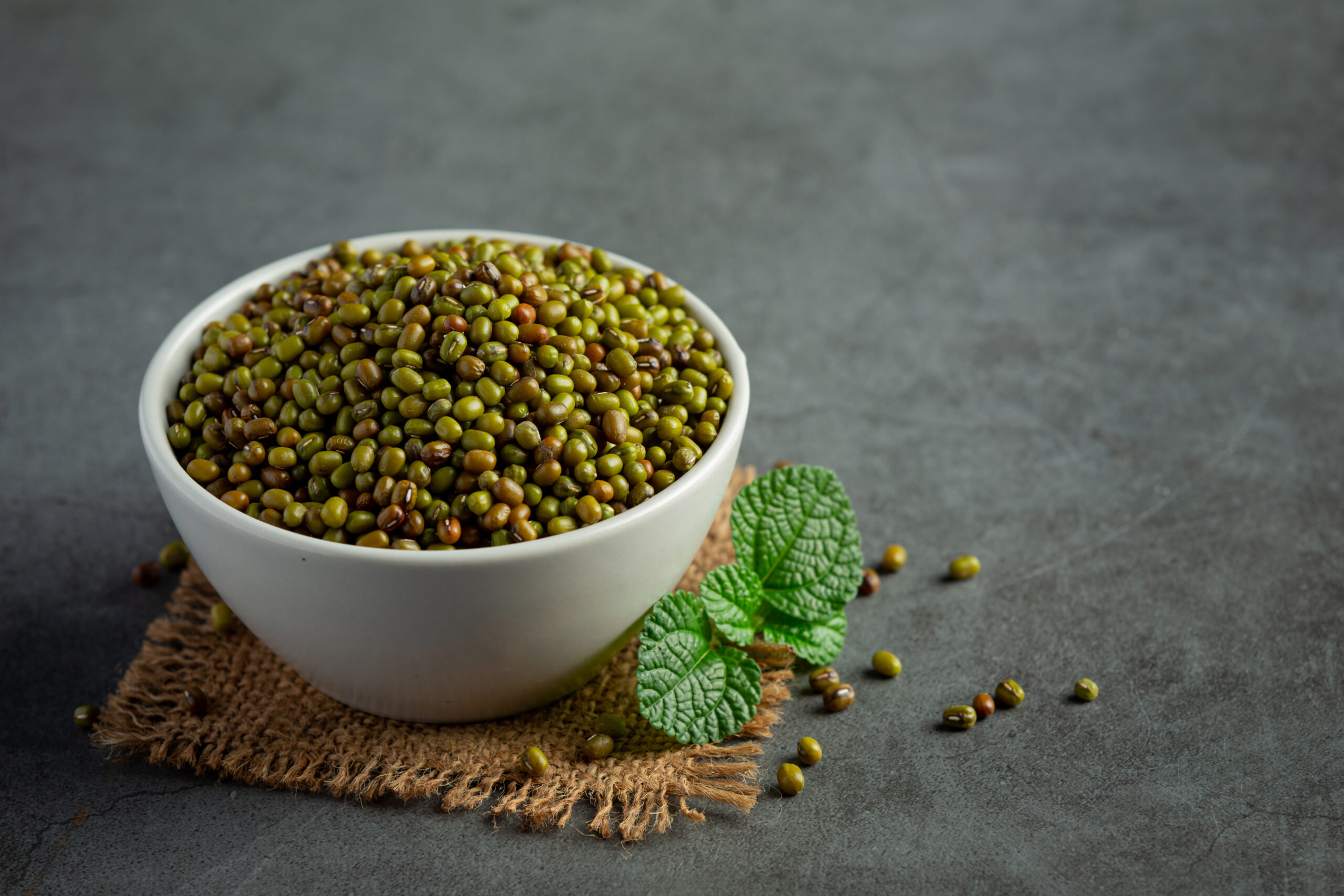
Mash is rich in easily digestible protein (21-32%), fiber and complex carbohydrates with a low glycemic index. The composition contains B vitamins, iron, magnesium and potassium. When consumed with rice or other grains, it improves the amino acid profile of the diet. Germination and fermentation increase the digestibility of trace elements and reduce the content of anti-nutrients.
Mung beans promote the growth of beneficial microflora and the production of short-chain fatty acids that strengthen the intestinal mucosa and reduce inflammation. Due to the dense structure of starch and the high content of soluble fiber, mash slows down the absorption of carbohydrates and stabilizes blood glucose levels. Studies show that regular consumption of beans reduces the risk of type 2 diabetes and increases insulin sensitivity.
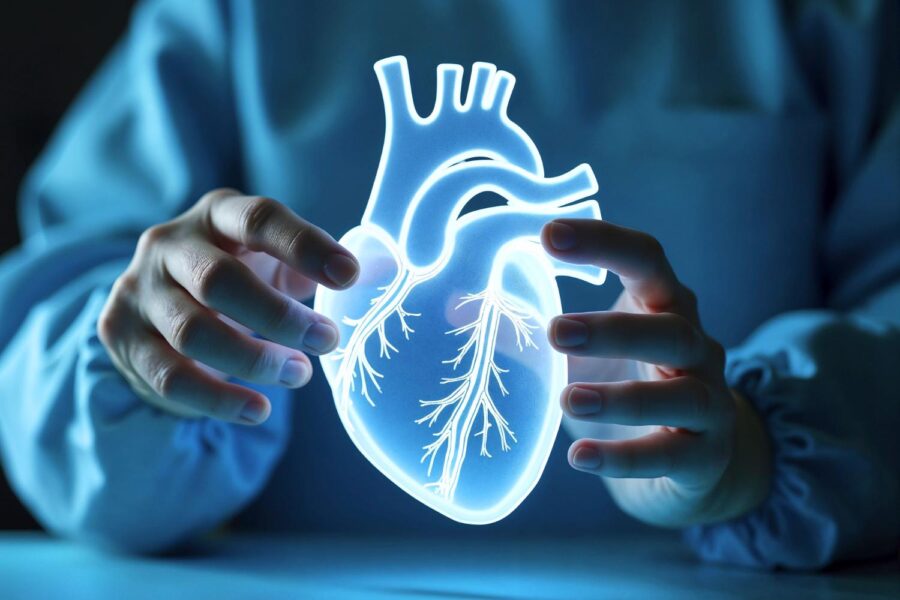
Mash helps to lower the level of “bad” cholesterol (LDL), increase the level of “good” cholesterol (HDL) and reduce inflammation. Masha proteins inhibit the activity of ACE, an enzyme involved in increasing blood pressure. In clinical studies, the consumption of masha protein improved vascular function and antioxidant activity.
Despite its high nutritional content, mash does not contribute to weight gain. Its protein-fiber composition promotes satiety, reduces appetite and can be useful in body weight control programs. It does not cause compensatory overeating.
Biologically active components of masha, including flavonoids and peptides, exhibit antimicrobial and anti-inflammatory activity. In the laboratory, extracts of masha sprouts suppressed the growth of tumor cells and enhanced the production of antitumor proteins. However, these data require confirmation in clinical trials.
In Asian countries, mash is traditionally eaten boiled, sprouted or ground. Soaking and germination reduce gas formation and improve mineral absorption. Mung beans are considered hypoallergenic and suitable for baby and elderly nutrition. They provide an additional source of folic acid and iron for pregnant women.
Mash is a nutritious and inexpensive product with the potential to improve glycemic control, lower cholesterol, support the microbiome, and strengthen the immune system. It can become part of a diet aimed at preventing metabolic diseases and maintaining health in adulthood. Nevertheless, long-term clinical studies involving various populations are needed to confirm these effects.
Published
July, 2025
Duration of reading
3-4 minutes
Category
Medicine
Share


Don’t miss the most important science and health updates!
Subscribe to our newsletter and get the most important news straight to your inbox