The brain works differently after COVID
Scientists have identified two key markers in the brains of people with long-term COVID that may explain problems with memory, concentration and thinking. A comparison between patients with ‘brain fog’ and those who have fully recovered has shown how inflammation and stress affect brain function, paving the way for new treatment.
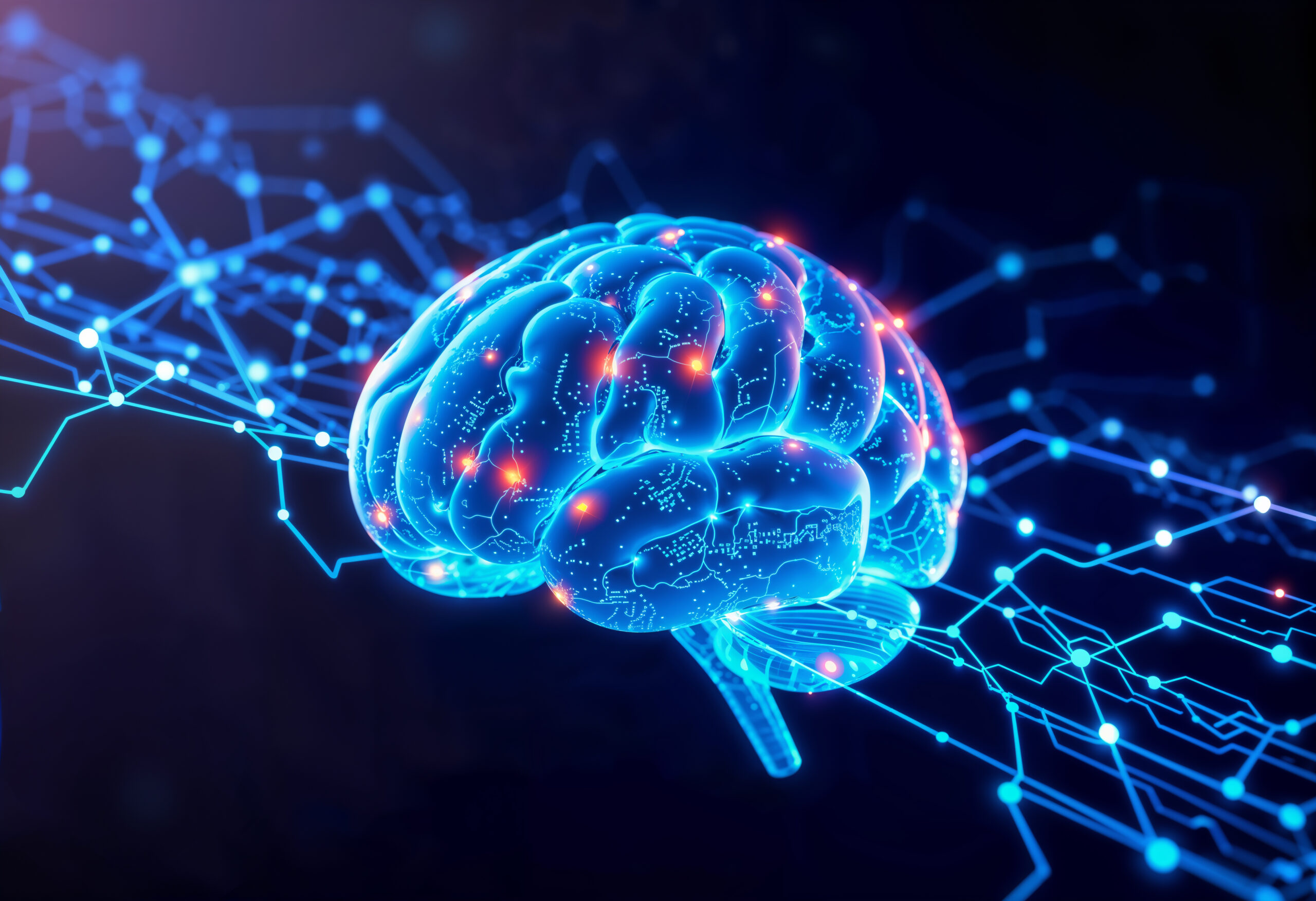
Five years after the pandemic began, millions of people around the world continue to struggle with the effects of COVID-19. Many complain of “brain fog,” difficulty concentrating and memory impairment. A new study from Corewell Health sheds light on why these symptoms persist in some patients but not others.
For the first time, experts compared brain health in people with long-term COVID and those who had fully recovered. They found that patients with cognitive problems had a reduced ability of the brain to adapt to stress and increased inflammation. These changes are associated with two biomarkers that could be key to diagnosis and treatment.
Blood from patients with long-term COVID showed reduced levels of nerve growth factor, a substance that helps the brain make new connections and adapt to change. At the same time, they had elevated levels of interleukin-10, a marker of inflammation that indicates stress in the central nervous system. These findings confirm that the symptoms reported by patients have a real physiologic basis.
Patients with long-term COVID often face misunderstandings. Their complaints of fatigue, memory problems or difficulty finding words may seem exaggerated to those around them, especially when standard tests show no abnormalities. However, the study found that such people perform worse on fluency tasks, such as quickly finding words for a particular letter.
Quality of life was also found to be lower in people with long-term COVID. They were more likely to report problems with physical health, emotional well-being and psychological well-being. These findings underscore how much brain fog affects daily life, even if outwardly a person appears healthy.
Medical professionals recognize: diagnosing long-term COVID is difficult. Standard tests often fail to detect problems, leaving patients feeling misunderstood. “People experience tremendous frustration when their symptoms are not confirmed,” notes Michael Lawrence, a neuropsychologist and lead author of the project. He believes the new markers will help doctors recognize the problem more quickly and offer appropriate help.
A comprehensive approach may be needed to treat long-term COVID. Speech therapists, psychotherapy to reduce stress, and medications to combat fatigue and cognitive impairment may be part of an effective plan. This approach will not only alleviate symptoms, but also improve patients’ overall well-being.
The discovery of these biomarkers is a step toward ensuring that people with long-term COVID are recognized and supported. Physicians can now use this data to develop new strategies to help patients regain mental clarity and a full life.
Published
May, 2025
Duration of reading
3-4 minutes
Category
Science
Share


Don’t miss the most important science and health updates!
Subscribe to our newsletter and get the most important news straight to your inbox