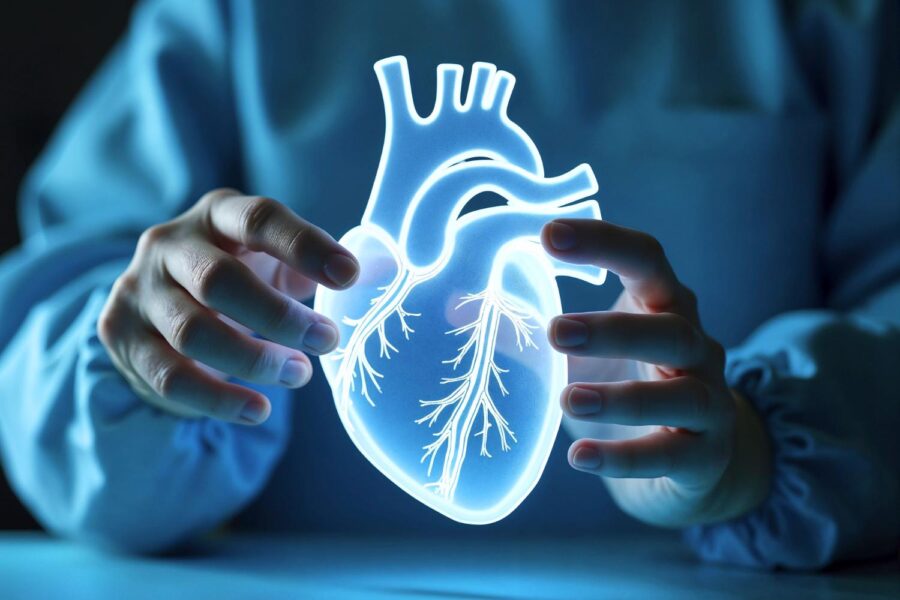
A late dinner can harm your metabolism
A late dinner after eight? Unfortunately, this is not just a bad habit. German researchers have proven that eating late at night can disrupt metabolism, especially glucose absorption. And this, in turn, is a direct path to diabetes and other metabolic problems. Especially for those who are naturally prone to late-night routines.
The work was carried out by a team led by Professor Olga Ramich from the Institute of Human Nutrition in Potsdam. As part of a large study of twins, the eating habits, sleep patterns, and metabolism of 92 participants were analyzed. So they were able to identify not only the overall effect of late-night eating, but also how much genetics is involved.
What’s interesting: our metabolism depends on the time of day. In the morning, the body actively processes food, and in the evening it works at a reduced speed. If you eat closer to midnight, the body literally does not have time to cope with food — the blood sugar level jumps and remains high for longer than usual.
Special attention was paid to the so—called chronotype, the human biological clock. It turns out that owls and larks react differently to the same meal time. Late dinners are especially harmful for those whose internal clocks are down or who work night shifts. It’s like constantly traveling between time zones — the body loses its orientation and starts to work incorrectly.
The participants recorded everything they ate—when, how much, and what exactly. The data was compared with analyses and tests for glucose tolerance. The results speak for themselves: the later you eat, the higher the risk of sugar metabolism disorders, even if the food itself was not harmful.
It’s too early to talk about exact recommendations for everyone, but the conclusion is obvious: it’s better to eat earlier. Especially to have breakfast and lunch not in a hurry, but at the right time for your body. And remember that the diet is not only about the figure, but also about the health of the brain, heart and blood vessels.
So, next time you want to eat something “light” at night, think twice. Your biological clock may not be happy at all.
Published
July, 2025
Duration of reading
2-3 minutes
Category
Medicine
Share


Don’t miss the most important science and health updates!
Subscribe to our newsletter and get the most important news straight to your inbox