Nature helps with anxiety and apathy
Nature has once again proven its power. In England, patients with mild to moderate mental health problems started to feel better after just 12 weeks of outdoor exercise. It turns out that simple things like gardening, walking and working together can really help with anxiety and depression.
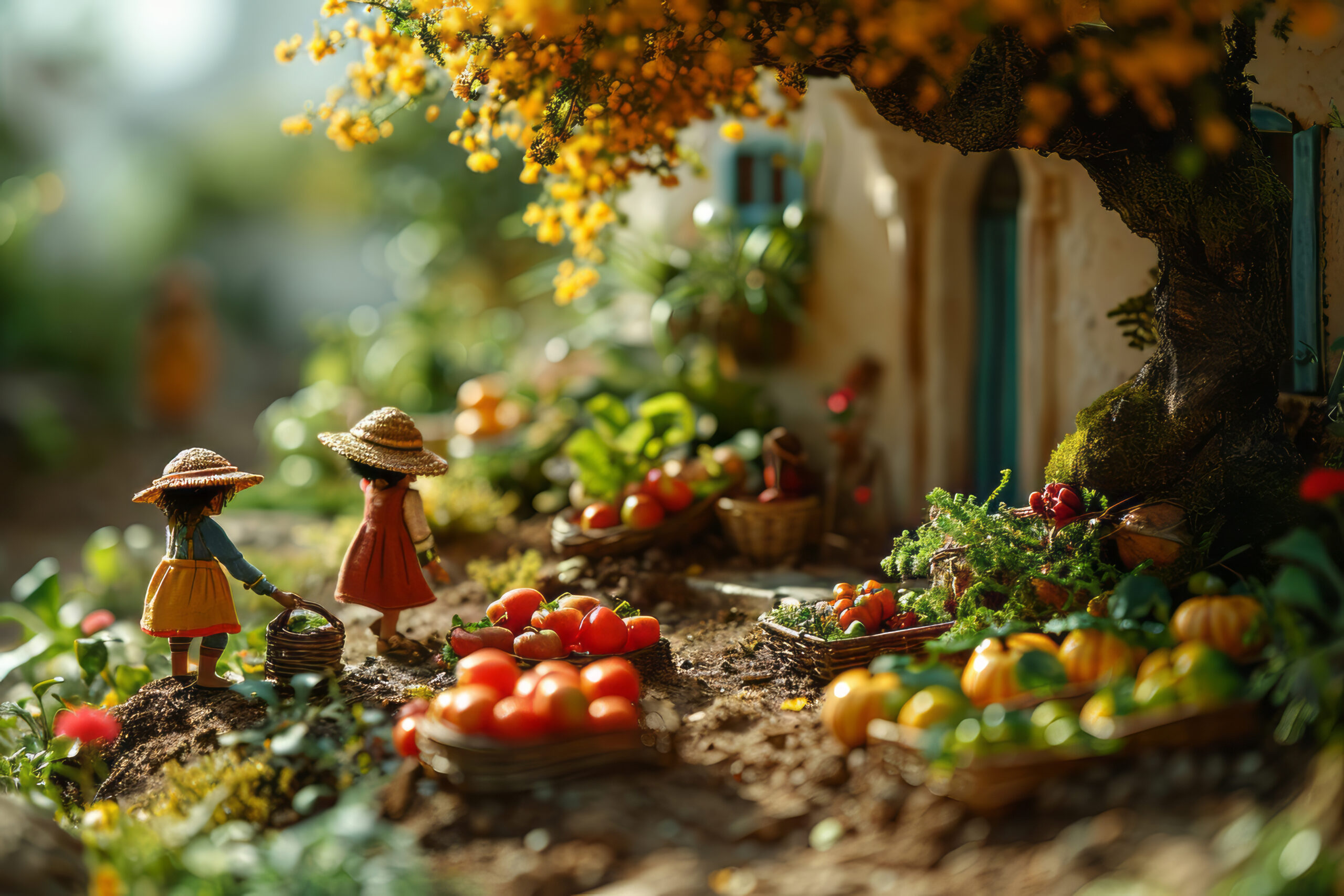
Today, doctors are increasingly looking for ways to help people not only through medication, but also through connecting with the world around them. One such approach is being developed in the UK, where patients with anxiety and depression have been referred to special nature-based activities, from tending a vegetable garden to outdoor walks and creative meetings.
The program, implemented in Humber and North Yorkshire, was part of a government initiative to improve mental health without traditional medication. It involves doctors being able to ‘prescribe’ participation in natural activities – and the results have exceeded expectations. It turned out that after just 12 weeks, many participants had noticeable improvements in mood and reduced anxiety levels.
In total, more than 220 people of varying ages – from 18 to 85 – participated in the program. They were involved in gardening, farming tasks, sports activities and creative outdoor sessions. Emotional well-being was assessed before and after participation – using surveys from the National Statistics Service and the Hospital Anxiety and Depression Rating Scale.
Improvements were most pronounced in those who participated in the program for at least nine weeks and chose activities related to the land – such as vegetable gardening and animal care. Interestingly, this format resembled a short course of cognitive behavioral therapy in terms of the level of effect.
As Professor Peter Coventry points out, it is not enough to be out in nature to feel the results. The key was active interaction with the environment: planting plants, tending a bed, performing simple but meaningful tasks related to the care of space.
The communication factor was equally important. Participating in nature activities together strengthened bonds between people, helped relieve loneliness and restored a sense of involvement in their community – and it is isolation that often contributes to anxiety and depression.
According to clinical psychologist Hannah Armitt, such formats help to link formal medicine with local initiatives, opening up new opportunities for treatment and prevention. And the more invested in developing such programs, the more accessible this path to better mental health will become.
In the end, one thing is clear: green therapy works. And that means that in the future, doctors will be able to refer patients not only to specialists, but also… to the vegetable garden.
Published
April, 2025
Duration of reading
3-4 minutes
Category
Interesting facts
Share


Don’t miss the most important science and health updates!
Subscribe to our newsletter and get the most important news straight to your inbox