System of tests has been developed to assess the rate of aging
A study by the China Aging Biomarker Consortium (ABC) describing the Digital Aging Twin computational platform was published in the journal Cell. Based on the analysis of data from 2,019 healthy participants aged 18 to 91, the scientists systematized 240 physiological and molecular parameters. The system not only predicts chronological age with an accuracy of 3.87 years, but also quantifies the asynchronous degradation of individual organs, identifying specific drivers of aging, such as liver coagulation factors.
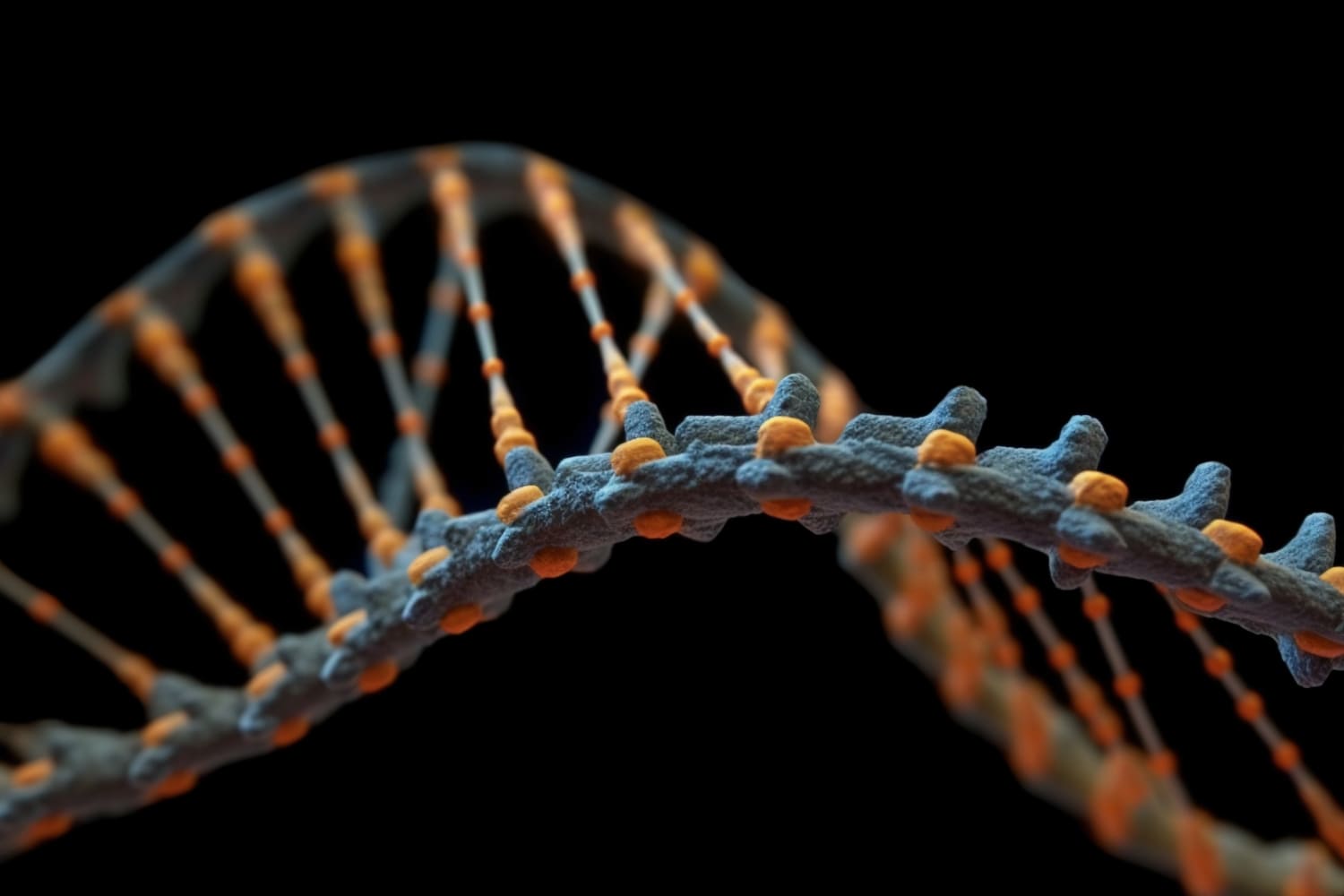
The developed system is a three-level hierarchy of diagnostic tools. The first level, the “basic capacity watch,” accumulates 240 clinical indicators that reflect the overall functional state of the body. The second level, the multimodal watch, uses deep learning with attention mechanisms to process layers of omics data (DNA methylation, RNA transcriptomes, metabolites, and gut microbiome). The third level consists of organ-specific clocks (brain, liver, lungs, muscles, blood vessels, and skin), based on specific plasma proteins and imaging results.
One of the key findings of the study is the non-linear nature of aging. Two distinct waves of age-related changes have been identified: the first occurs between the ages of 40 and 50, and the second occurs between 60 and 70. At the same time, organ degradation occurs asynchronously: the critical inflection point for the liver occurs around the age of 40, while accelerated brain aging occurs after the age of 50.
Through the analysis of plasma proteomics and experiments on human aortic cell cultures, the mechanism of the influence of liver coagulation factors (in particular, F13B, as well as F9 and F10) on systemic aging was revealed. An increased concentration of these factors in the blood provokes cellular aging, accompanied by inflammatory signals and impaired angiogenesis. The introduction of F13B factor in laboratory animals led to accelerated degradation of the heart, kidneys, and aorta, which confirms its role as an active rather than a passive marker of aging.
To simplify clinical implementation, researchers have developed a “proxy clock” that requires the analysis of only 100-108 specific plasma proteins. This simplified model demonstrates a high correlation with complex multimodal systems, which creates the prerequisites for creating affordable blood screening tests for a comprehensive assessment of biological age.
The analysis of longitudinal data (data obtained as a result of repeated observation of the same objects (people, groups, organizations) over a long period of time) has allowed us to identify modifiable factors that affect the rate of biological aging. Regular consumption of fruits, a stable sleep pattern, and moderate physical activity (walking) are statistically correlated with a slower rate of aging. Smoking, sleep deprivation, and high-frequency eating, on the other hand, accelerate age-related processes.
This work is a conceptual stage of the national X-Age project, which aims to create a standardized aging monitoring system for the Chinese population. The transition from descriptive gerontology to predictive modeling allows for more accurate identification of organs with severe demyelination or functional decline, which is essential for developing personalized therapeutic intervention strategies.
Published
May, 2026
Updated
Category
Science
Duration of reading
3-4 min
Share


Source
Scientific journal Cell. Article: Multimodal clocks of human aging
Global health science — in clear language
We select and translate the best international publications. Read 3 key materials about longevity every week!