Rosemary helps the skin heal without scarring
For a long time rosemary was considered just a fragrant spice and a popular ingredient in cosmetics. However, carnosic acid, a substance found in rosemary leaves, does accelerate wound healing and reduce the risk of scarring. A study published in the journal JCI Insight by scientists from the Perelman School of Medicine at the University of Pennsylvania has shown that rosemary extract can redirect the skin repair process — not towards scarring, but towards full-fledged regeneration.
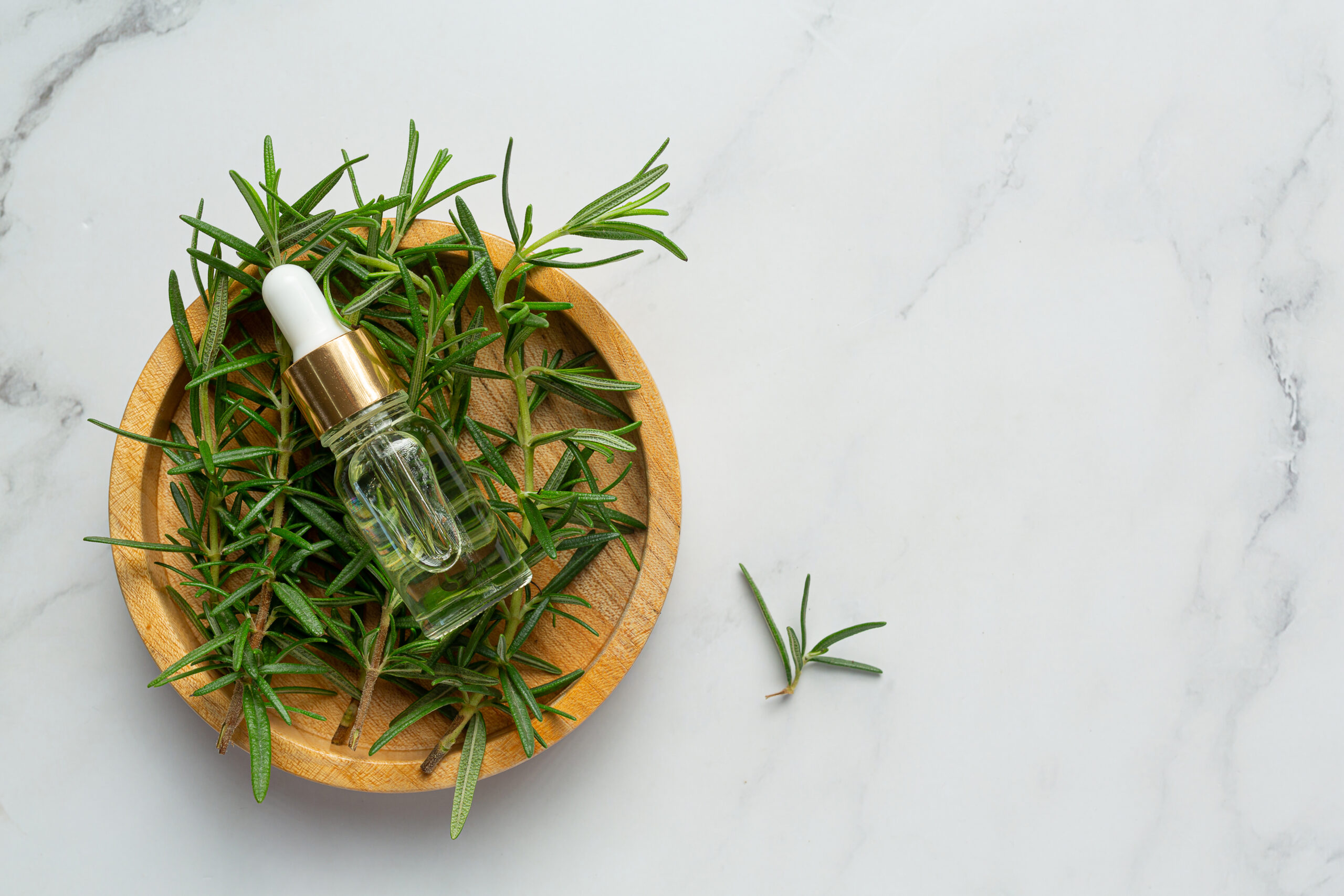
“Most skin wounds heal with scarring, which can lead to aesthetic and functional problems. We found that rosemary and the carnosic acid contained in it are able to start the healing process, close to the natural restoration of the skin,” said Thomas Leung, the head of the study, Professor of dermatology.
Interestingly, the reason for the scientific work was a trend from social networks. Students at the University of Pennsylvania, inspired by popular TikTok videos about the “miraculous properties of rosemary,” decided to check if there was a scientific basis for this.
Scientists have created a cream with carnosic acid and tested it on laboratory animals. The cream accelerated wound closure, restored hair follicles, sebaceous glands and even areas of cartilage tissue. The effect depended on the work of the TRPA1 sensor, a protein in the nerve endings of the skin, previously associated with the ability of tissues to heal without scars.
If this sensor was blocked, the effect of the cream disappeared. In addition, it turned out that the effect is manifested only with topical application — carnosic acid worked only on the area of damage, and not on other areas of the skin.
In addition to rosemary, similar compounds were found in thyme and oregano, but it was rosemary that showed the best combination of efficacy and safety. Unlike some other TRPA1 stimulants, such as mustard oil, rosemary does not cause irritation.
The researchers emphasize that it is not worth using homemade tinctures and oils without consulting a doctor, since the concentration of the active substance in them is unpredictable. “If rosemary is included in your skin care and you see the result, it is quite possible that it really works,” concluded Professor Leung.
Published
November, 2025
Category
Medicine
Duration of reading
2–3 minutes
Share


Source
Scientific Journal JCI Insight. Article: «Carnosic acid in topical rosemary extract enhances skin repair via TRPA1 activation»
Don’t miss the most important science and health updates!
Subscribe to our newsletter and get the most important news straight to your inbox