Strength training changes the intestinal microflora
Regular weight training not only strengthens muscles, but also rebuilds the gut microbiome. Even with two or three workouts per week, participants developed bacteria associated with improved metabolism and intestinal wall health.
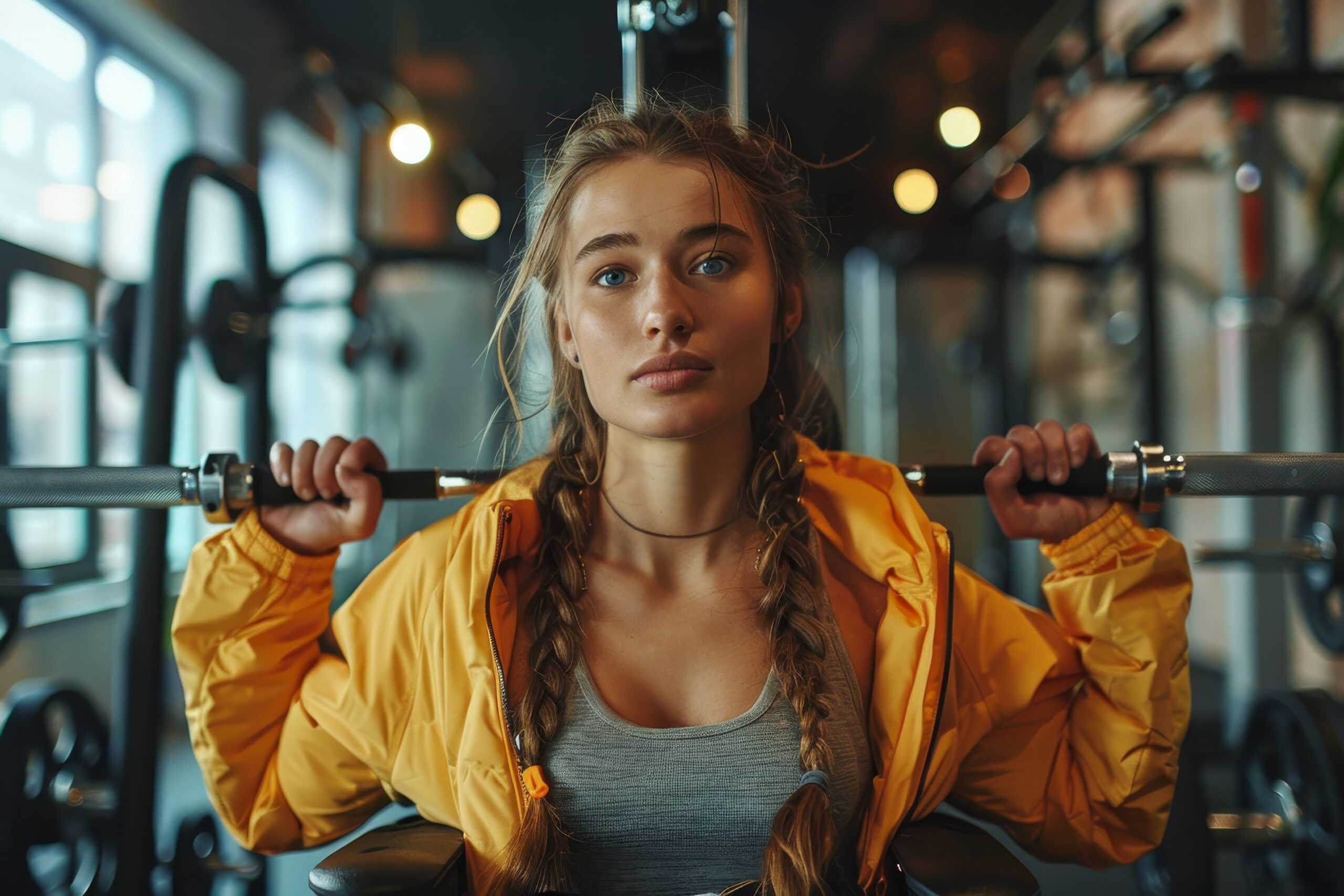
The study involved 150 people who had not previously been involved in sports. After starting weight training — two to three times a week – measurable microbiological changes occurred in their intestines.
The program included exercises for the chest, back, legs and abs. Some participants lifted light weights with a large number of repetitions, while others lifted heavy weights but less frequently. Both approaches produced similar results: improved strength and body composition, as well as the microbiome.
Particularly interesting data appeared among the so—called “high respondents” – those who increased their strength by more than a third. They have increased the number of bacteria Faecalibacterium and Roseburia hominis, microorganisms that produce butyrate, a short—chain fatty acid that supports the health of the intestinal wall and protects the body from inflammation.
However, the researchers warn that calling some bacteria “good” and others “bad” is wrong. The changes in the microflora were ambiguous — some healthy bacteria decreased, while conditionally harmful ones, on the contrary, grew. Each person’s microbiome is unique, and their response to physical activity can vary greatly.
Scientists emphasize that it is not yet clear what exactly is the root cause: training changes the microflora or changes in the microflora help build strength. Nevertheless, the results add to the evidence that physical activity has a positive effect not only on the body, but also on the internal microcosm of the body.
Published
October, 2025
Category
Medicine
Duration of reading
1–2 minutes
Share


Source
Scientific Journal bioRxiv. Article: «Resistance Training Reshapes the Gut Microbiome for Better Health»
Don’t miss the most important science and health updates!
Subscribe to our newsletter and get the most important news straight to your inbox