Spirulina — superfood of the future against aging
Modern scientific research is increasingly considering spirulina not just as a dietary supplement, but as a potentially powerful anti-aging agent. The unique composition of this microalgae helps protect cells from oxidative stress, reduce inflammation, maintain healthy skin, and even preserve DNA. Let’s figure out what makes spirulina so special.
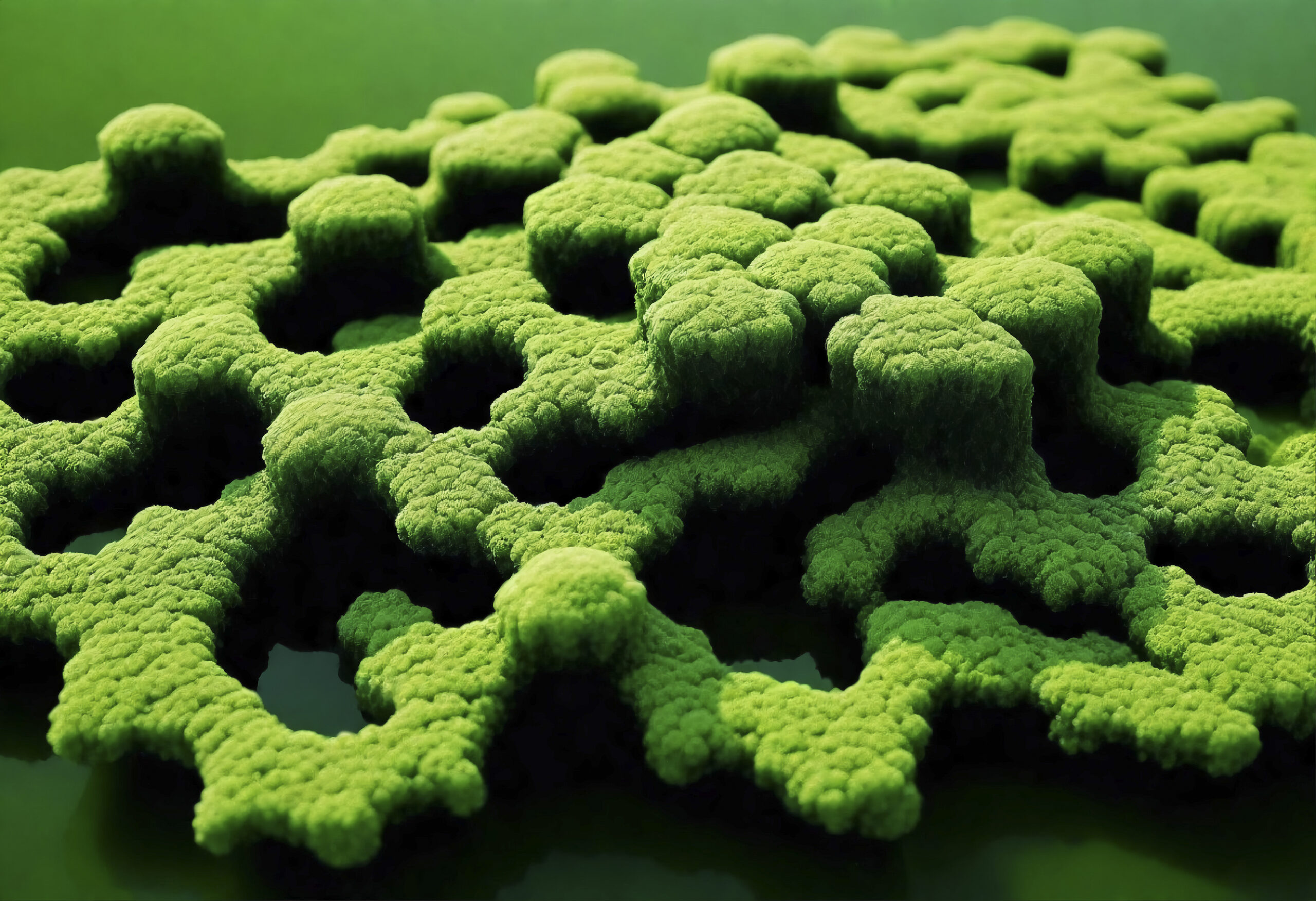
Spirulina is the dried biomass of cyanobacteria, primarily the species Arthrospira platensis, A. fusiformis and A. maxima. These blue-green microalgae have historically been used for food by the Aztecs and African peoples. Today, spirulina is widely recognized as a source of high-quality protein and bioactive substances, and is increasingly being considered as a potential anti-aging agent. Interest in it is especially high due to its ability to reduce oxidative stress, inflammatory processes and maintain cell health.
The composition of spirulina is unique. It contains from 55 to 70% protein in terms of dry weight, while providing all nine essential amino acids in an easily digestible form. In addition to protein, it contains phycocyanin, a powerful antioxidant pigment, as well as carotenoids (including zeaxanthin and lutein), provitamin A, vitamin B12 analogues, polyphenols, and important trace elements: iron, magnesium, and potassium. This nutrient density makes spirulina especially valuable for supporting immunity, vision, metabolic health, and longevity.
The mechanisms of action of spirulina have been studied in detail in laboratory and preclinical conditions. The main antioxidant effect is provided by phycocyanin, which neutralizes reactive oxygen species and activates enzyme defense systems: superoxide dismutase, catalase and glutathione peroxidase. This leads to a decrease in the level of malondialdehyde and the restoration of redox balance. In addition, spirulina components reduce the activity of inflammatory signaling pathways, including COX-2 and NF-kB, reducing the release of pro-inflammatory cytokines IL-6 and TNF-α.
Special attention should be paid to the data on the ability of the selenium-enriched spirulina protein (Se-SP) to protect mitochondria from damage during hypoxia and ischemia. This protein stabilizes mitochondrial membranes, increases ATP synthesis, and activates DNA repair genes. All of this together forms the basis for the potential use of spirulina as a broad-based nutraceutical to protect cells and slow down age-related changes.
In practice, spirulina finds application not only in the food industry, but also in the cosmetics industry. It is actively added to smoothies, bars, meat substitutes, protein powders, as well as cosmetics such as anti—aging serums, sunscreens, and skin and hair care products. The pigment C-phycocyanin is used as a natural dye in food and cosmetic products, and spirulina polyphenols enhance collagen synthesis, protect keratinocytes from ultraviolet damage, and improve skin elasticity.
Spirulina is generally considered safe when using certified and proven products. However, due to its immunomodulatory properties, it should be used with caution in people with autoimmune diseases. In addition, despite the presence of vitamin B12 analogues, they do not always have sufficient bioavailability to compensate for its deficiency, especially in vegetarians.
Thus, spirulina is a promising source of natural compounds capable of protecting cells, improving the body’s antioxidant status, reducing inflammation, and potentially slowing aging.
Published
July, 2025
Duration of reading
4-5 minutes
Category
Medicine
Share


Don’t miss the most important science and health updates!
Subscribe to our newsletter and get the most important news straight to your inbox