Urgency and curiosity force the brain to work in different memory modes
We tend to think of motivation as simple willpower: the harder we try, the better the result. However, neuroscientists from the National University of Singapore and Duke University suggest looking at this process differently, arguing that our desire to act changes the very structure of memory. It has been proven that the brain does not just increase power in the presence of a stimulus, but switches between different chemical modes. Depending on whether we are motivated by fear of a deadline or sincere interest, completely different neural circuits are activated in our head. Experts have identified two main states: interrogative, controlled by dopamine, and imperative, for which norepinephrine is responsible. Understanding these mechanisms opens the way to the creation of new methods of teaching and treating attention disorders, allowing us to literally adjust our minds to current tasks.
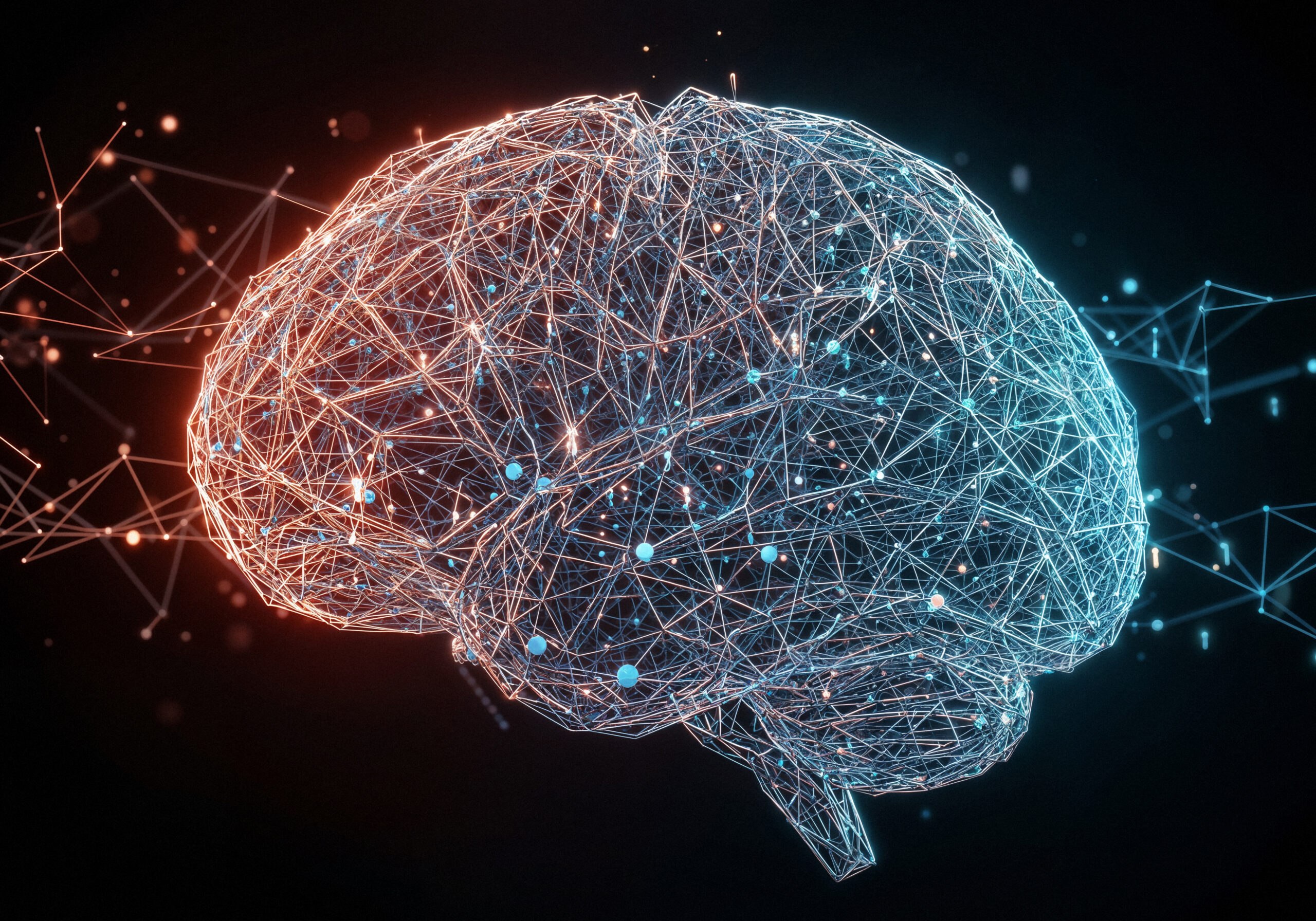
The traditional view of learning was: motivation just improves memory. The new approach, called the “Neural Context” model, goes deeper. It turns out that how we remember information directly depends on why we want to remember it. Different motivational moods have an impact.
The first mode is “Interrogative mood”. It turns on when we are motivated by curiosity, a desire to explore new things or adapt to changes. At this point, dopamine comes into play. It activates the hippocampus and prefrontal cortex, forcing the brain to build flexible connections. In this state, we do not just memorize facts, but form a holistic picture of the world, understand the interrelationships and learn to apply knowledge in the future.
The second mode is “Imperative”. This is a state of urgency. It occurs when we feel danger, deadline pressure, or are chasing an immediate reward. Norepinephrine rules the ball here. It puts the focus of attention into “tunnel mode”. We are great at remembering specific details, responding instantly, and effectively solving momentary problems. However, this has a price: in the pursuit of details, the general context and flexibility of thinking are lost. This is the tactician mode.
Alison Adcock, one of the project’s curators, compares these neuromodulating systems to switches. By understanding how they work, teachers can dramatically change the way they approach education. If it is necessary for a student to understand a complex concept, his curiosity should be aroused (the dopamine pathway). If you need to learn a list of dates by tomorrow, light stress and urgency (the norepinephrine pathway) will be more effective.
Medicine will also benefit from this data. Disorders like depression, schizophrenia, or ADHD are often associated with a malfunction of these switches. Patients can get stuck in one mode, losing the ability to either think flexibly or concentrate. New therapies will be able to target the right systems.
The team has ambitious plans. In the future, they want to create technologies based on artificial intelligence that will read the student’s condition and adjust the presentation of the material. But the main goal is to give people a remote control of their own mind.
Po Jia-Hou, the lead author of the article, is confident: we are able to learn how to switch these switches on our own. By consciously evoking a sense of urgency, you can focus on quick action, and by arousing interest in yourself, you can prepare for solving non—standard tasks in the future. Ultimately, this makes us masters of our memory.
Published
January, 2026
Category
Interesting facts
Duration of reading
2-3 minutes
Share


Source
Scientific Journal Annual Review of Psychology. Article: Motivation as Neural Context for Adaptive Learning and Memory Formation
Don’t miss the most important science and health updates!
Subscribe to our newsletter and get the most important news straight to your inbox