The aging brain accumulates cellular debris
Researchers have found that as we age, improperly formed energy reserves accumulate in brain cells. Previously, it was believed that such changes indicate the development of diseases, such as dementia. However, new work by an international group of scientists has shown that this is a natural process that does not affect mental abilities. Researchers at the Leibniz Institute of Aging and the University of Tennessee have discovered that these accumulations are controlled by genetics and are part of normal aging. Even in the presence of a large number of such formations, the brain continues to work smoothly. The results of the study, published in the journal Cell Systems, help doctors better distinguish between dangerous pathologies and safe age-related changes.
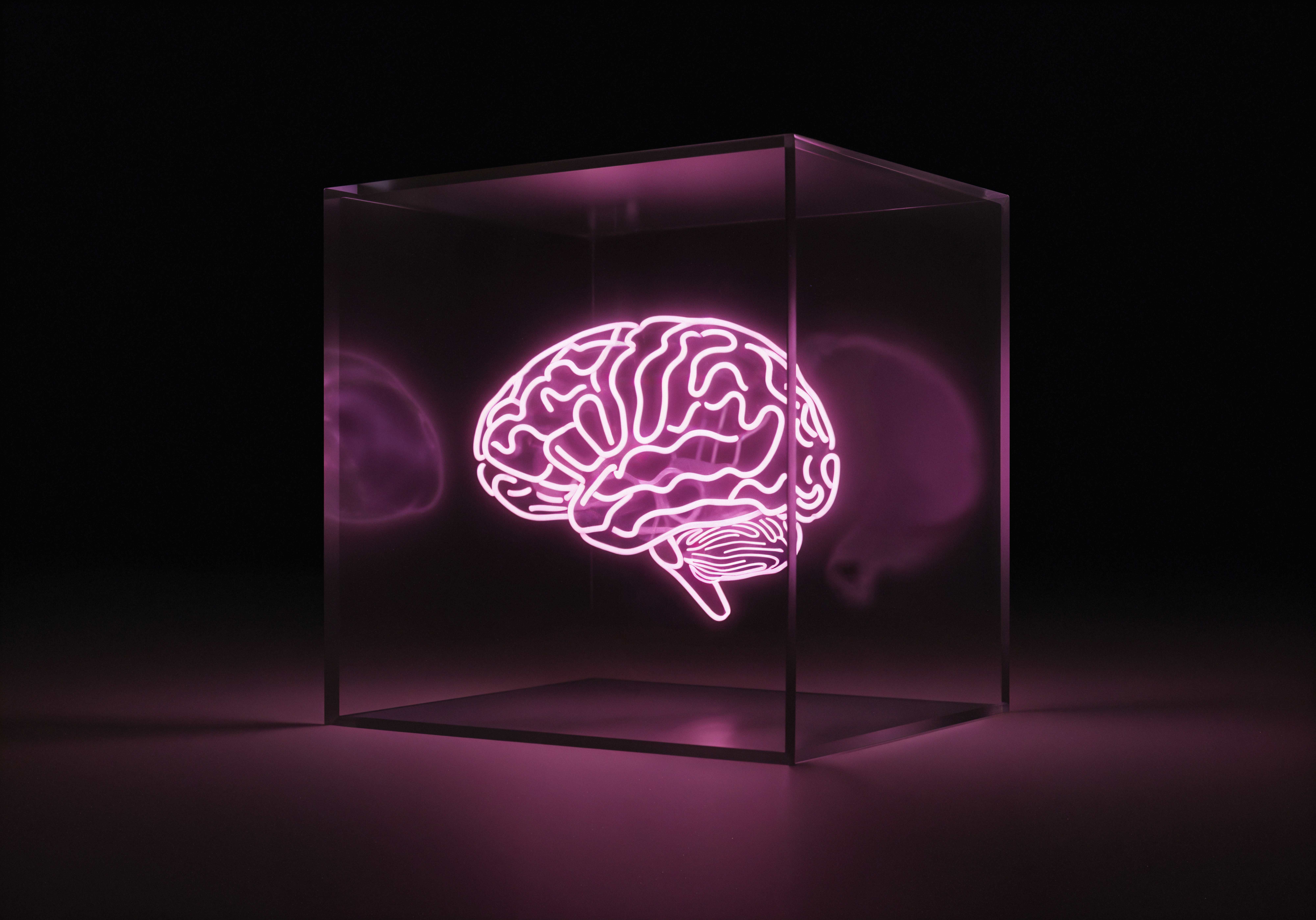
The scientists studied astrocytes— auxiliary brain cells that provide power to neurons. One of their functions is to store energy in the form of glycogen (a form of sugar). In a young body, glycogen molecules have a regular branched structure, which makes them easy to break down and use.
The structure of these molecules changes with age. They become less branched, dissolve poorly, and form dense clusters called polyglucosan bodies. This process is especially active in the hippocampus, the area of the brain responsible for memory and learning.
Experiments on mice have shown that the tendency to form such clusters depends on genetics. Researchers have found a specific site in the genome that determines how much these substances will accumulate in old age. This confirms that the process is not an accidental malfunction, but is regulated by the body.
The main conclusion of the work is that the presence of these clusters does not impair brain function. Mice with a lot of defective glycogen in their cells performed just as well on tests for memory, learning, and spatial orientation as mice without such accumulations. The brain has a margin of safety and can function normally, despite biochemical changes in auxiliary cells.
The discovery is important for the diagnosis of brain diseases. It is now clear that the detection of polyglucosan bodies in the elderly should not always be considered a sign of illness. This allows specialists to focus on finding the real causes of cognitive impairment without being distracted by the natural signs of aging.
Published
February, 2026
Category
Science
Duration of reading
1-2 minutes
Share


Source
Scientific Journal Cell Systems. Article: The Smarcal1-Usp37 locus modulates glycogen aggregation in astrocytes of the aged hippocampus
Don’t miss the most important science and health updates!
Subscribe to our newsletter and get the most important news straight to your inbox