The structure of food affects appetite and hormones
Sometimes it seems that a healthy diet is just counting calories and controlling sugar content. A new study has shown that how food is organized at the cellular level can greatly affect how much we overeat, how our body reacts, and even how stable our blood sugar levels are. In simple words, it is important not only what we eat, but also how it is cooked.
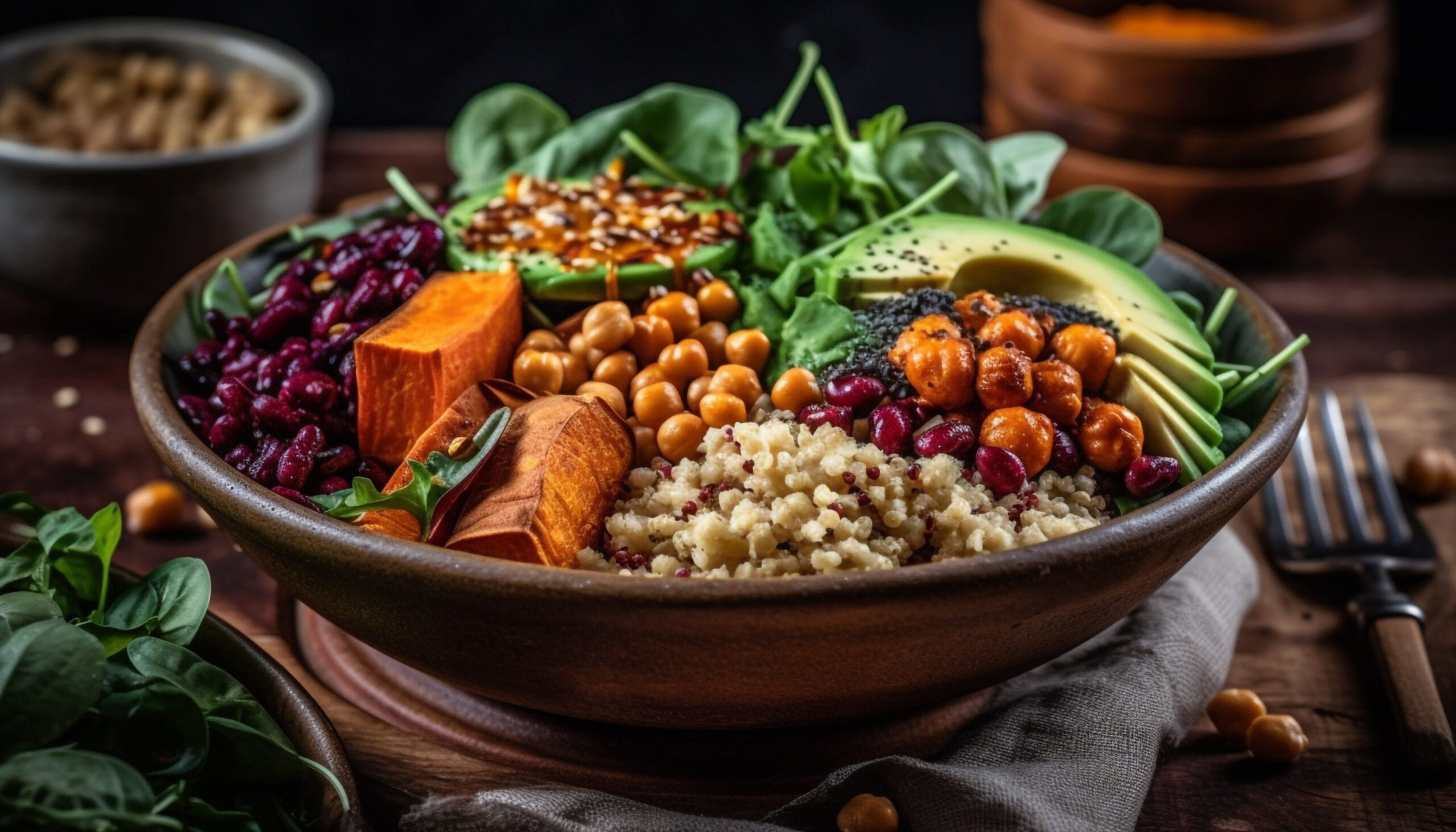
At first glance, the same nutrients. The same chickpeas, the same number of calories, the same proteins and carbohydrates. But the body reacts differently if the food is cooked differently.
In a study published in Nature Metabolism, scientists from Imperial College London and the Quadram Institute conducted an experiment with chickpea porridge, which was prepared in different ways: in one case, the chickpeas were almost intact, and in the other— they were thoroughly crushed, so that its cellular structure was disrupted.
The results were surprising: participants who ate the “broken” version had blood sugar and insulin levels jump sharply. And those who ate porridge with a complete cell structure had a different picture — a smoother release of satiety hormones (GLP-1 and PYY), the feeling of satiety lasted longer.
Why is this happening? The thing is that the hormones responsible for hunger and satiety are produced in different parts of the intestine. When food is broken down, its components are rapidly absorbed and stimulate hormones alone. And when the cell structure remains intact, food travels further through the intestines and triggers the production of other substances responsible for long-term satiety.
To test this more accurately, special tubes were inserted into the stomach and small intestine of the participants in the experiment. For three days in a row, they received different versions of the same porridge with jam for breakfast — the dishes did not taste different, but they looked completely different under the microscope.
The experts monitored sugar levels, hormones, and how full the participants felt. It turned out that even if the package says the same thing, food can act in completely different ways – it all depends on the processing and structure.
“This discovery has the potential to change the way we prepare food, especially for the prevention of diabetes and obesity,” says Professor Gary Frost, a nutrition specialist from London. “We can literally customize foods to help us better control our appetite and sugar levels.”
So now it becomes clear that not only what we eat, but also how it works inside is important.
Published
June, 2025
Duration of reading
3-4 minutes
Category
Medicine
Share


Don’t miss the most important science and health updates!
Subscribe to our newsletter and get the most important news straight to your inbox