T cells and the Nobel Prize
Three scientists from the USA and Japan have won the Nobel Prize in Medicine for their revolutionary discovery of regulatory T cells. These cells, dubbed “immune guards,” have proven to be key in preventing our immune system from attacking our own healthy tissues. Their discovery gives hope for the creation of new treatments for autoimmune diseases and cancer.
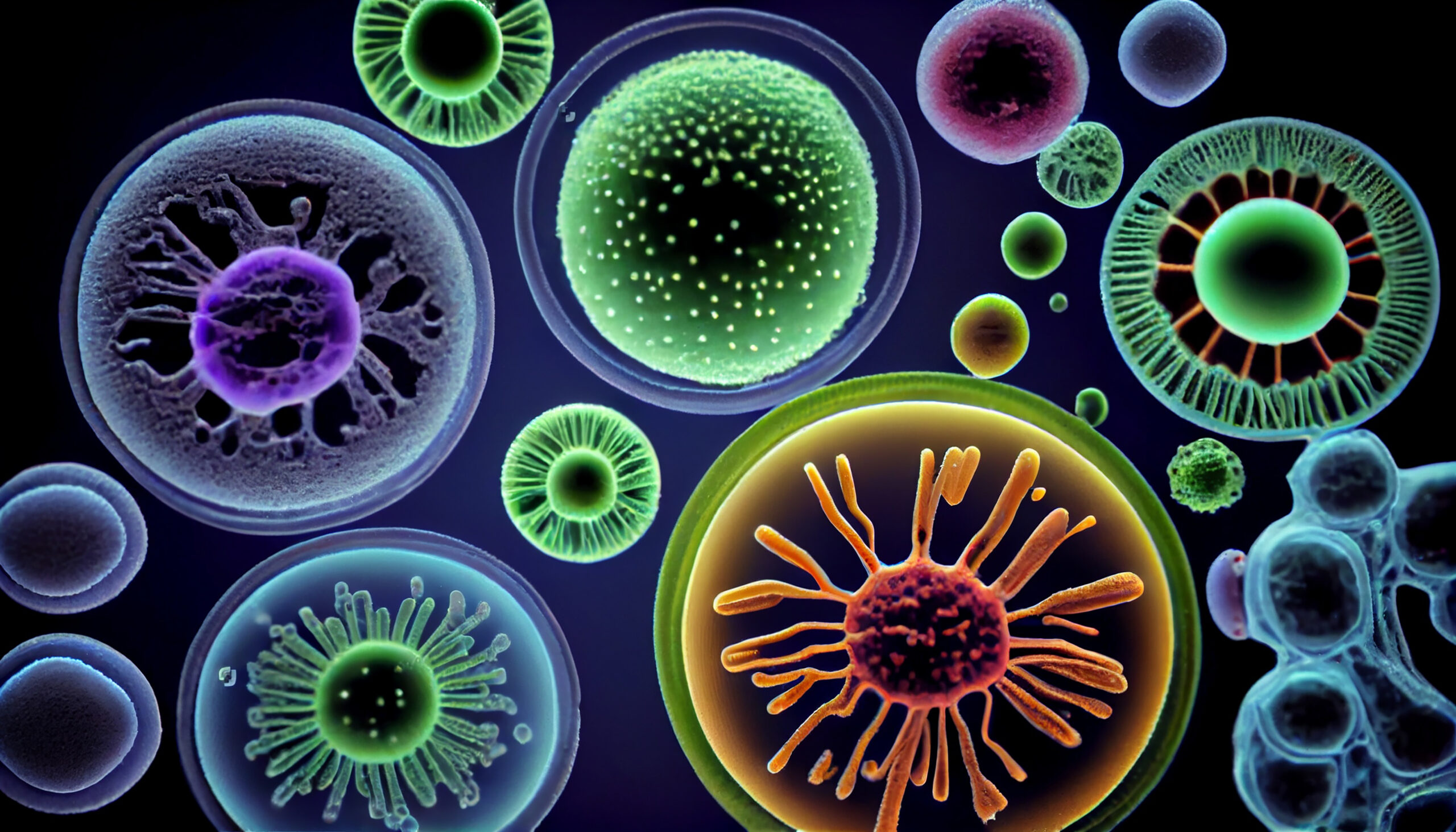
This year’s Nobel Prize in Medicine was awarded for understanding how the human immune system is kept in balance. The discovery by American scientists Mary Brankow and Fred Ramsdell, as well as Japanese researcher Shinzaburo Sakaguchi, focuses on a special type of cell that prevents our internal defenses from attacking our own body. Although widespread clinical application of this knowledge is still ahead, it opens up great prospects in the fight against diseases such as type 1 diabetes and lupus.
As you know, the immune system is the body’s first line of defense against all invaders, whether it’s infection—causing microbes or unwanted cells such as cancerous ones. The main weapon in this arsenal is white blood cells called T cells. They search for, recognize, and destroy these threats throughout the body. The problem arises when these T cells make a mistake and start attacking healthy cells, triggering autoimmune diseases.
This is where regulatory T cells (Treg for short), which the Nobel Committee aptly called “guards”, come on the scene. They literally tell the immune system to stop harming its cells. For a long time, it was believed that this critically important function was fully performed by the thymus, a small gland in the upper chest. In the thymus, the forming T cells, whose receptors are mistakenly tuned to healthy body tissues, must be destroyed. But what if defective cells do slip through this barrier?
One of the laureates, Shinzaburo Sakaguchi, stubbornly continued to look for an additional control mechanism in the 1980s, when most of his colleagues had already abandoned this idea. His team conducted an experiment: they took T cells from one mouse and injected them into another, which lacked a thymus. It turned out that the second mouse suddenly received protection from autoimmune diseases. This proved that there is something outside the thymus capable of fighting T cells attacking themselves.
Ten years later, American scientists Brankow and Ramsdell studied why males of a mutated strain of mice called “scurfy” lived for only a few weeks. In the course of their work, they were able to prove that a mutation in the FOXP3 gene caused both scurfy disease in mice and the rare autoimmune disease IPEX in humans. After this discovery, other scientists, including Sakaguchi, showed that it is the FOXP3 gene that controls the development and functioning of regulatory T cells.
Defects in the functioning of regulatory T cells can exacerbate the severity of autoimmune diseases. Moreover, these cells play a critical role in preventing the rejection of transplanted organs, preventing the immune system from recognizing them as a foreign object. On the other hand, cancer can use regulatory T cells, causing them to suppress the body’s immune response too much. As a result, the tumor gets the opportunity to grow freely.
Today, thanks to this discovery, there are more than 200 clinical trials in the world testing treatments related to regulatory T cells. However, the award winners have not yet created a ready-made drug for widespread use. Sakaguchi expressed hope that the Nobel Prize will stimulate this field of research and help it find practical application in the clinic. Progress requires a lot of time and money, but, as experts point out, we are now on the verge of creating safe and effective medicines.
Published
October, 2025
Category
Science
Duration of reading
4–5 minutes
Share


Source
Scientific portal Medical Press.. Article: «What are regulatory T-cells? Nobel-winning science explained»
Don’t miss the most important science and health updates!
Subscribe to our newsletter and get the most important news straight to your inbox