Dancing activates hidden areas of the brain
When a person looks at a dance, his brain works much more complicated than it seems at first glance. He simultaneously analyzes movements, music, rhythm, aesthetics and emotions — and combines all this into a single perception. Moreover, different styles of dance activate the brain in different ways.
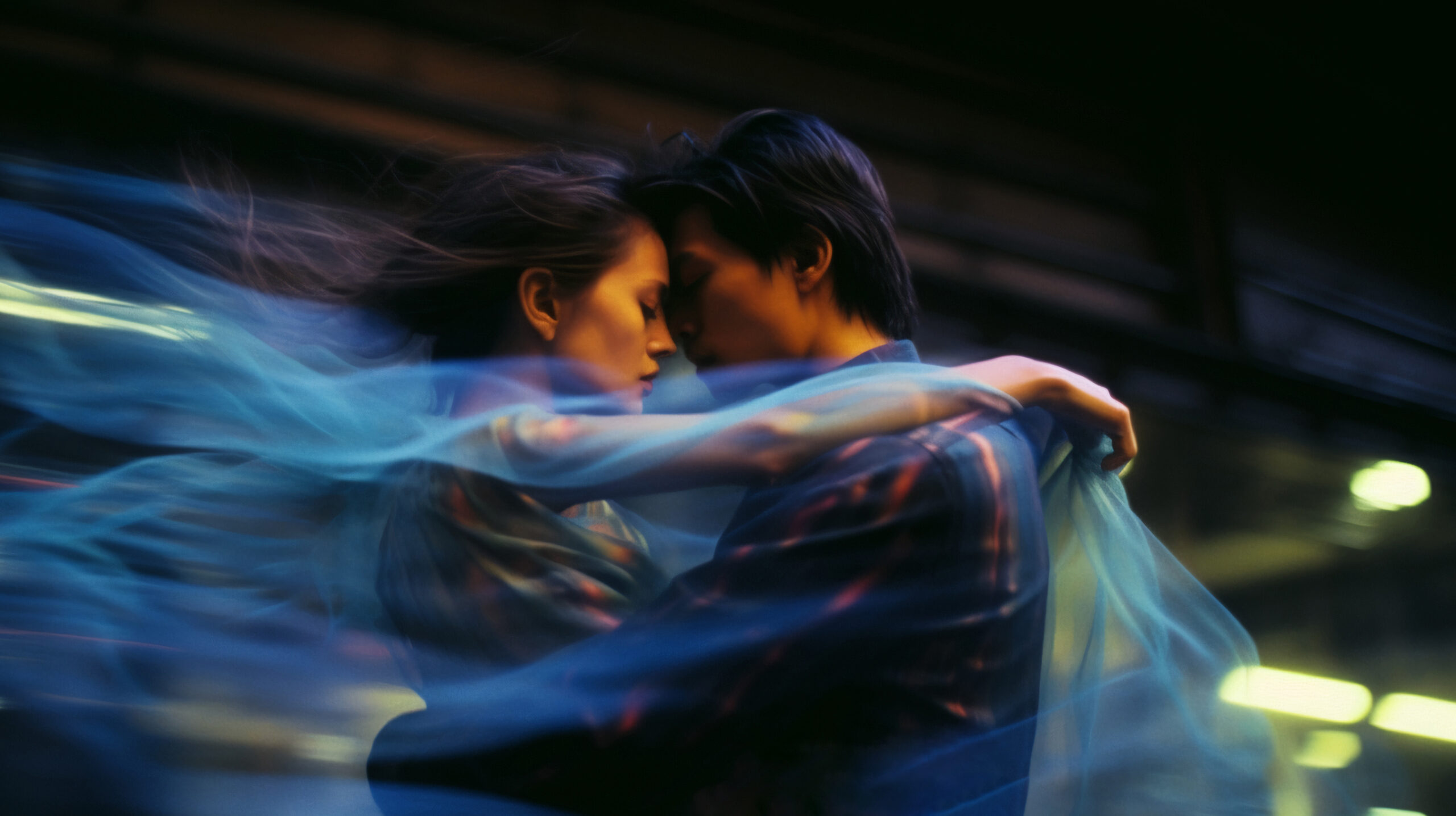
The experiment involved 14 people — seven professional dancers and beginners each. They were shown about five hours of dance performances. The videos included more than 30 dancers who performed choreography to 60 musical compositions in genres such as hip-hop, breakdance, street dance and ballet jazz.
During the viewing, the participants were lying in a CT scanner, and the researchers recorded the slightest changes in their brain activity. After that, the data was passed through a powerful neural network trained on a huge collection of dance videos. The model was able to compare brain activity with various characteristics of dance — movement, style, music, emotions, visual features.
It turned out that the brain reacts not to one factor, but to a combination of them at once — it is the combinations of movements, musical features, visual aesthetics and emotional context that form the dance map in the mind.
For professional dancers, the picture turned out to be even more interesting: their brains created more subtle, detailed and individual movement maps. In other words, the experience of dancing changes how the brain reads choreography — experts see more layers and nuances in dance, and their brains activate more selectively.
The data obtained helps to better understand how the brain combines vision, hearing and emotions into a single creative perception. This knowledge can be used not only in neurology, but also in dance pedagogy, virtual reality, artificial intelligence, and even in rehabilitation techniques where movement and music are used to restore cognitive functions.
The study shows that dance is not just a beautiful body movement, but also a powerful stimulus for the brain, which learns, adapts and develops when observing plasticity and rhythm.
Published
November, 2025
Category
Interesting facts
Duration of reading
2–3 minutes
Share


Source
Scientific Journal Nature Communications. Article: «Cross-modal deep generative models reveal the cortical representation of dancing»
Don’t miss the most important science and health updates!
Subscribe to our newsletter and get the most important news straight to your inbox