Anxiety comes from the depths of the brain
Why do some of us worry more than others, even if outwardly everything is fine? New work by neuroscientists shows how small changes in special brain cells can increase anxiety and fear. Their attention was drawn to the amygdala, an area of the brain that controls our reactions to threats. The research focuses on the work of the amygdala, the emotion center, and opens the way to new methods of helping with anxiety disorders.
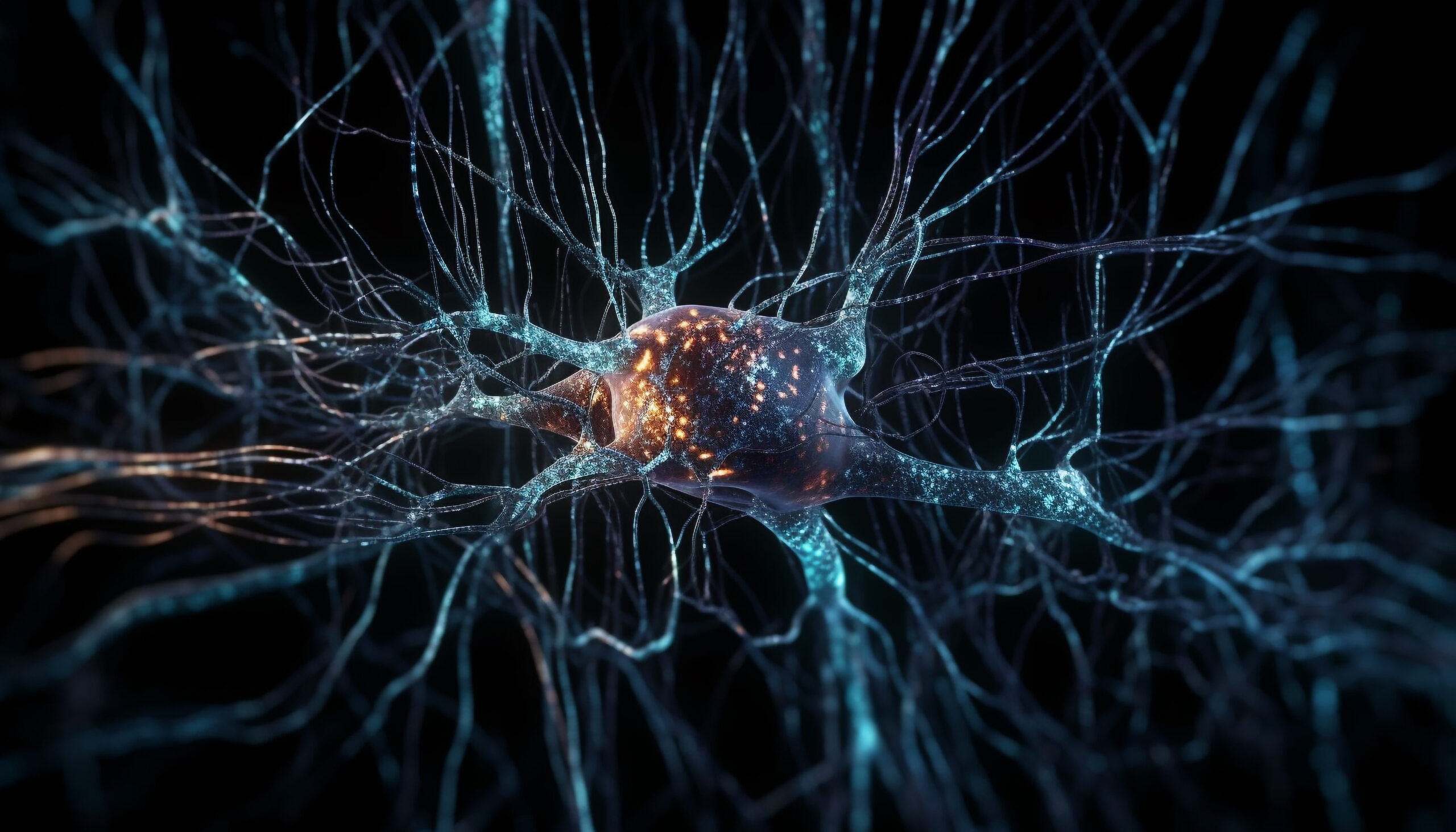
It turned out that everything can depend on a single gene, PTEN. This gene has long been associated with autism and the peculiarities of brain development, including its excessive growth. However, a new study shows that it is in the emotional circuits of the brain that PTEN can trigger anxiety.
The team focused on a special type of cell, inhibitory neurons, which contain the protein somatostatin. These cells, like internal brakes, restrain an excessive emotional reaction. But if PTEN is disabled in them, the system gets out of balance.: the brakes weaken, and the alarms, on the contrary, increase.
The researchers used a subtle and precise technique to highlight the activity of neurons in the amygdala. They found that the connection between the inhibitory cells decreases dramatically — by almost 50%. But the arousal signals from the neighboring area of the brain responsible for processing emotions become stronger. This creates an imbalance: as if someone stepped on the gas and released the brake at the same time.
How does this affect behavior? Mice that had PTEN turned off in the right cells became more anxious and remembered frightening situations faster. Interestingly, their social skills and tendency to repetitive actions have not changed, which makes it possible to understand more precisely which functions are affected.
An important conclusion is that not all symptoms associated with autism or anxiety have the same causes. Sometimes everything is solved by very local failures in the microcircuits of the brain.
Published
July, 2025
Duration of reading
1-2 minutes
Category
Science
Share


Don’t miss the most important science and health updates!
Subscribe to our newsletter and get the most important news straight to your inbox