Anxiety affects the intestines
Researchers have long been interested in the idea that the gut and brain talk to each other. The so—called “gut-brain” axis includes nervous, immune, and hormonal mechanisms that allow microbes to influence the human psyche. A new study by Russian scientists has shown that a person’s emotional state is directly related to the composition of their intestinal microflora. It turned out that people with increased anxiety have a changing balance of beneficial and opportunistic bacteria, as well as the activity of metabolic pathways that affect brain function and metabolism.
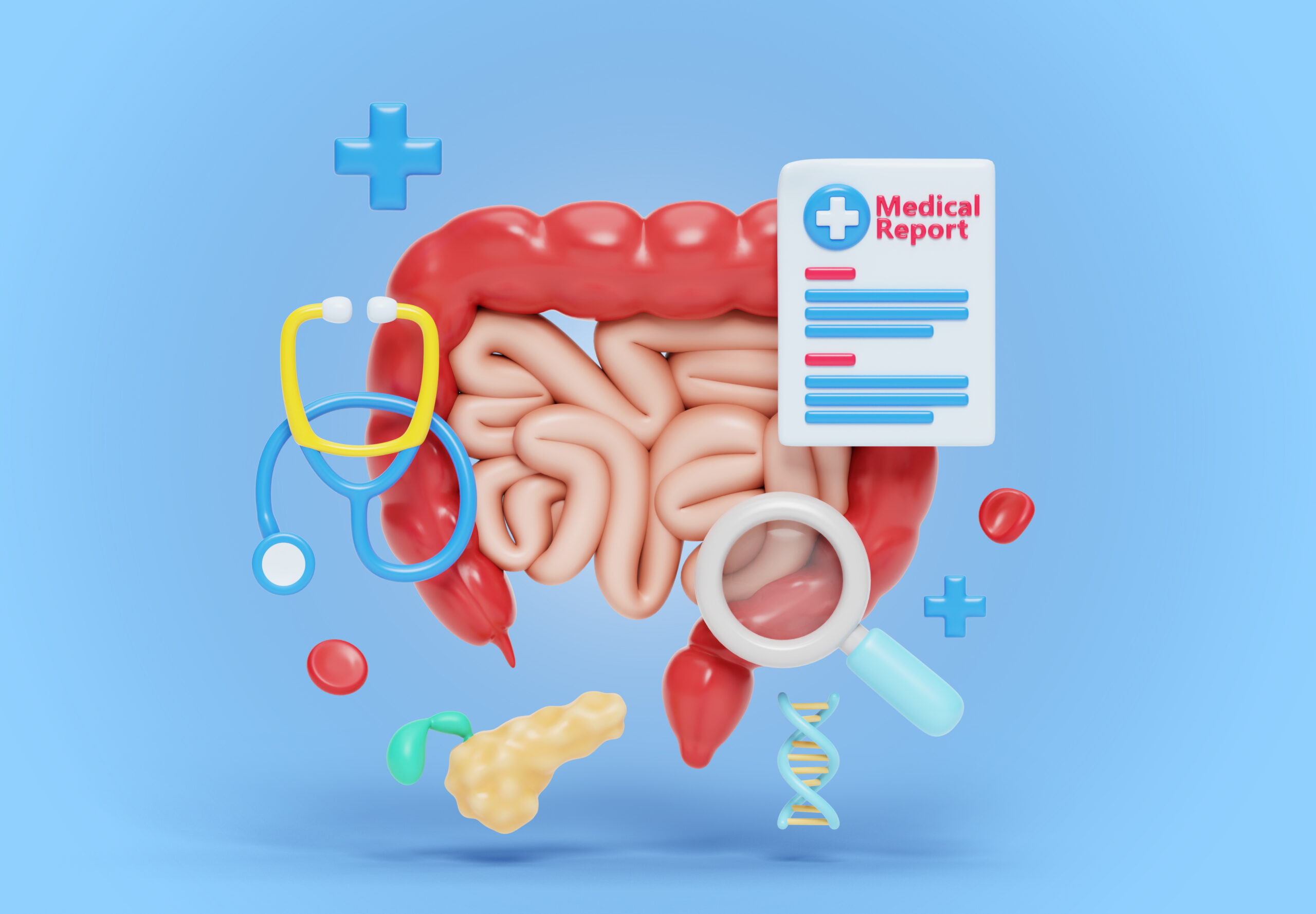
The study has become one of the most detailed analyses of this connection in Russian science. Scientists compared the microbiome of people with high levels of anxiety and those who do not experience severe anxiety symptoms.
Participants with anxiety had a reduced overall diversity of intestinal bacteria, meaning the microflora became less balanced. The number of bifidobacteria and lactobacilli, which are responsible for maintaining a healthy microenvironment and are involved in the production of serotonin, a hormone of good mood, has decreased especially noticeably.
But the proportion of bacteroids and clostridia, known for their ability to cause inflammatory reactions and affect the nervous system, has increased. Scientists suggest that this shift towards an inflammatory profile may increase the body’s stress responses and worsen its emotional state.
Interestingly, changes were observed not only in the composition of the microflora, but also in its metabolic activity. The study showed that anxious people have impaired synthesis of short—chain fatty acids, substances that nourish intestinal cells and play a key role in regulating immunity and neurochemical processes.
It is noted that intestinal bacteria are able to synthesize a range of compounds involved in the transmission of nerve impulses.: serotonin, dopamine, gamma-aminobutyric acid (GABA) and others. When the microbial balance changes, the production of these substances is disrupted, which means that the system that regulates anxiety, sleep and mood is also functioning.
In addition, the microbiome affects the permeability of the intestinal wall. With an imbalance, it increases, and inflammatory molecules can enter the bloodstream, which activate the immune cells of the brain. This process is called neuroinflammation, and more and more research links it to the development of depression and anxiety disorders.
The work of Russian researchers not only confirms international data, but also shows that the features of the microbiome in people with anxiety have distinct metabolic and functional markers. In the future, it may be possible to diagnose emotional disorders by analyzing microflora and correct them through nutrition, probiotics and prebiotics.
It is emphasized that it is important to approach this area carefully — each person’s microbiome is unique, and there are no universal solutions. However, the results open the way to personalized methods of anxiety prevention.
The authors note that the data is especially valuable for psychosomatic medicine, a field that studies the mutual influence of the body and the psyche. In the future, such research will help develop psychomicrobiotic therapy programs, where the restoration of microflora will become part of the comprehensive treatment of anxiety and depressive disorders.
Published
October, 2025
Category
Medicine
Duration of reading
3–4 minutes
Share


Source
Journal Biomedical research, release №3 (2025). Article: “Features of the intestinal microbiome in people with increased anxiety”.
Don’t miss the most important science and health updates!
Subscribe to our newsletter and get the most important news straight to your inbox