Scientists named the most useful fruits and vegetables
According to current data, it is not enough to simply follow the recommendation of eating five servings of fruits and vegetables per day to truly support heart health. It is much more important to consider the specific types of foods that are included in the diet. A study conducted by researchers from the University of Reading, Harvard Medical School, and the University of California found that less than one in five individuals were consuming enough flavonols, which are compounds that can reduce the risk of cardiovascular diseases. This finding was observed even among those who regularly consumed five servings of fruits and vegetables, as recommended by the NHS (National Health Service of the United Kingdom). The study, published in the journal Food & Function, involved more than 30,000 participants from the UK and the US. The researchers tracked their diets using biomarkers.
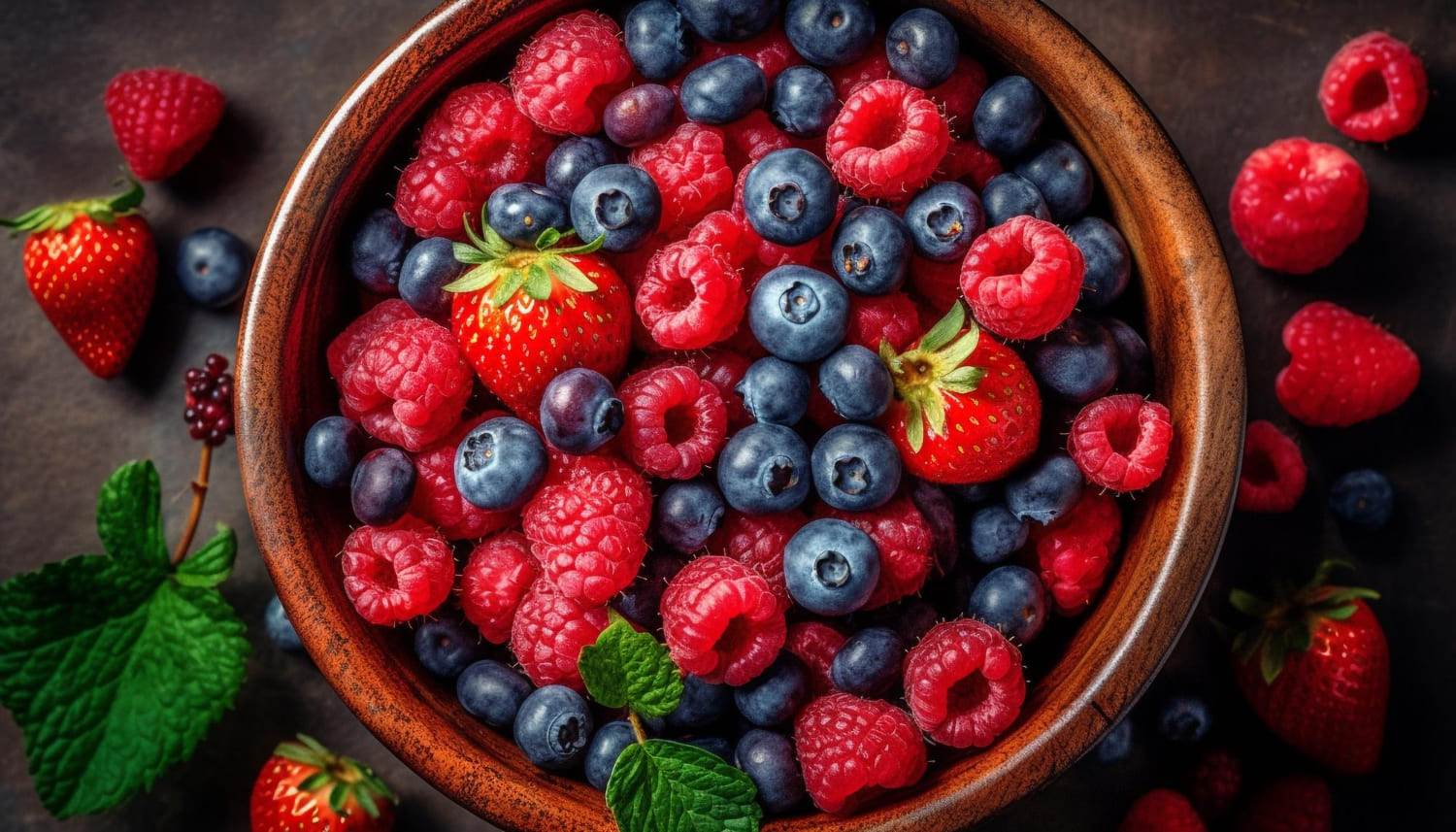
The key takeaway is that the benefits for the heart depend on the amount of flavanols in the foods you choose. According to Dr. Javier Ottaviani, the lead author of the study, flavanols can indeed significantly reduce the risk of death from cardiovascular diseases, but only if you consume enough of them. Many people believe that eating plenty of fruits and vegetables automatically meets this requirement, but in reality, it’s the specific choices that matter. For example, a handful of blackberries, a single peeled apple, or a cup of green tea consumed with a meal can significantly increase the amount of beneficial compounds that the body absorbs from food.
A previous large-scale clinical study on flavonoids (COSMOS) found that consuming 500 mg of flavonoids daily significantly reduced the risk of death from heart disease. However, a new study suggests that most people do not meet this threshold, even if they follow conventional dietary guidelines such as the NHS Eatwell Guide.
Scientists have compiled an approximate list of foods with the highest content of flavanols per serving:
- plums (500 g) – about 450 mg of flavanols;
- cranberries (250 g) – about 300 mg;
- blackberries (200 g) – about 250 mg;
- green tea (one 250 ml cup) – about 200 mg;
- beans (80 g, a small handful) — about 140 mg;
- cherry (400 g) — about 130 mg;
- apple with skin (200 g, one medium) — about 110 mg;
- strawberry (200 g) — about 90 mg;
- blueberry (150 g) — about 80 mg;
- Pinto beans (40 g, two tablespoons dry) — about 70 mg.
Professor Günther Kunle of the University of Reading notes that the recommendation of “five servings per day” is still valid, but it’s important to consider the specific five servings that individuals choose. Different fruits and vegetables provide varying nutritional benefits, and it’s not just about vitamins and minerals. As science delves deeper into compounds like flavonols, there’s a potential for more precise and effective dietary recommendations. The work carried out is one of the steps towards putting this into practice.
Published
June, 2026
Updated
Category
Medicine
Duration of reading
2-3 min
Share


Source
Scientific journal Food & Function. Article: Adhering to dietary guidelines does not yield flavanol intake levels associated with beneficial cardiovascular effects
Global health science — in clear language
We select and translate the best international publications. Read 3 key materials about longevity every week!