Scientists have discovered permanent chemicals in almost every human being
The almost total prevalence of “perpetual chemicals” (PFAS) among the population is confirmed by the results of analysis of more than ten thousand biological samples. Synthetic compounds were detected in 98.8% of the tested individuals, and the vast majority of people carry not just one, but a “cocktail” of several types of toxic substances. This situation highlights the ineffectiveness of current environmental barriers and the inevitability of long-term accumulation of these compounds in human tissues, necessitating a radical reevaluation of approaches to assessing the cumulative chemical impact on health.
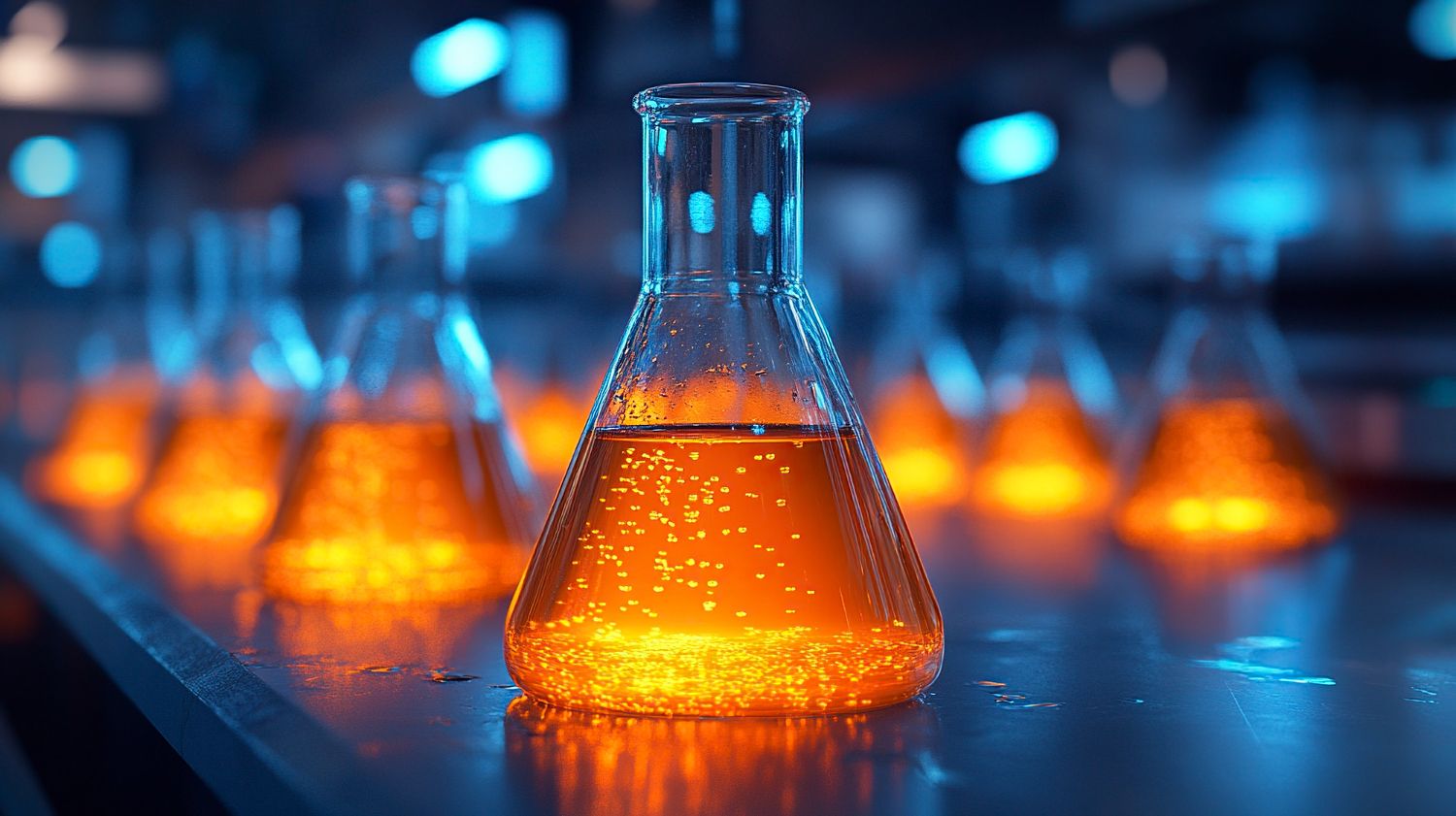
Per- and polyfluoroalkyl compounds, known for their resistance to degradation, are found in the blood of almost every resident. Of the ten and a half thousand samples examined, only a tiny fraction—less than two-tenths of one percent—did not contain traces of these substances. These synthetic components have been integrated into the production of household items, from kitchen utensils to electronics, for decades, and have now become an integral part of the environment, entering the body through water and food.
The study reveals that the problem lies not just in the presence of chemicals, but in their ubiquity. Most of the samples contained several types of PFAS at once, which turns the human body into a reservoir for the accumulation of complex chemical mixtures. Since these substances are practically not destroyed naturally, they are called “eternal”, constantly accumulating in tissues and organs throughout a person’s life.
The central discovery was that isolated exposure to a single chemical is a rare exception. In most cases, a combination of five or more different compounds is detected in the blood. Each of them has its own bioaccumulation properties and half-life, which creates a complex toxicological picture. The most common combinations include both classic, long-banned substances and their modern counterparts, which were used as a “safe” substitute but also tend to accumulate.
Of particular concern is the detection of specific acids, such as linear PFOA, in the vast majority of samples. This substance is directly linked to immune system, liver, and thyroid dysfunction. The fact that individuals are simultaneously exposed to a range of such toxins raises concerns about a synergistic effect, where the negative impact of one substance is amplified by the presence of others. This can lead to long-term consequences, including cancer and reproductive problems.
Current monitoring methods often focus on identifying individual components, but a comprehensive understanding requires analyzing chemical mixtures. By understanding how these substances coexist in the body, healthcare professionals can better predict risks and develop recommendations for health protection. The data suggests that almost everyone today lives with a constant chemical burden, which can be highly unstable and unpredictable.
The identified purity and frequency of specific PFAS combinations highlight the need for systemic changes in industrial regulation. Ignoring the combined effects of multiple “forever chemicals” may lead to an underestimation of the real harm to public health, as the long-term impact of such complex mixtures on biological systems has yet to be fully explored.
Published
May, 2026
Category
Medicine
Duration of reading
3-4 min
Share


Source
Scientific Journal of Occupational and Environmental Hygiene. Article: Labay et al, PFAS co-positivities identified in more than 10,000 serum/plasma samples
Global health science — in clear language
We select and translate the best international publications. Read 3 key materials about longevity every week!