Amazing properties of amla have been revealed
What has been used in Ayurveda for centuries is now beginning to interest laboratories: amla (Indian gooseberry) can improve metabolism, protect blood vessels, slow down skin aging and even help with diabetes. And all this is now being confirmed on the basis of real research.
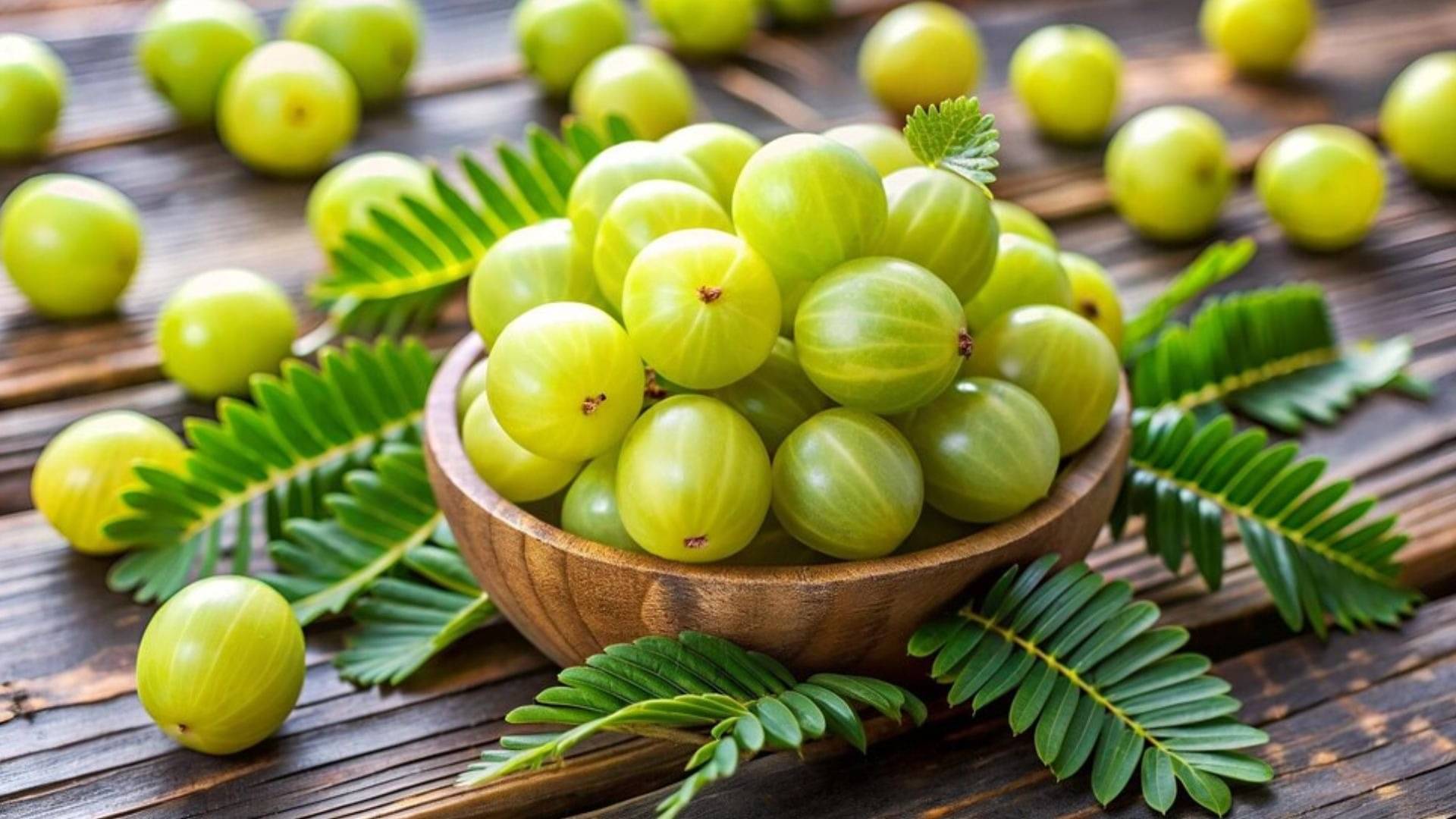
The small greenish fruit, similar to sour gooseberries, has long been known in India as the “elixir of longevity.” In traditional medicine, it is added to sweet pastes like chyavanprash or a mixture of triphala — and drunk for the sake of immunity, freshness of the skin and lightness in the body. Now modern scientists have taken up this ancient remedy. More and more useful substances are being found in amla.
Firstly, it is one of the richest sources of vitamin C in nature. Only two or three fruits per day cover the daily allowance — and even exceed it. Amla is also full of polyphenols, tannins and other natural compounds that prevent cells from aging under the influence of free radicals. The fruit acts as an antioxidant shield.
Human studies confirm that those who regularly took amla extract began to feel better after a couple of months. Smokers had improved breathing and sleep, people with metabolic syndrome had lower “bad” cholesterol, and diabetics had lower blood sugar levels. In one experiment, amla even showed a more pronounced effect than the popular drug metformin.
However, the benefits of amla are not only inside her. Creams and gels with amla twig extract have already passed clinical trials: in three months they noticeably improved skin elasticity, reduced wrinkles and did not cause irritation. Indian researchers also found that the juice of this fruit stimulates hair growth — participants in the experiment who drank amla syrup noted that their hair became thicker and healthier.
The results on fat metabolism are particularly impressive. Overweight people who took amla extract for 90 days had decreased waist size, decreased visceral fat, and increased muscle mass. Scientists suggest that the fetus affects the functioning of the liver and regulates hormones responsible for the breakdown of fats. Some clinical trials have shown that amla’s effect on cholesterol is comparable even to statins, powerful drugs for atherosclerosis.
There is a reminder: since amla can dilute blood, it should not be combined with aspirin or other anticoagulants without consulting a doctor. But still, Amla is a vivid example of how ancient knowledge and modern science can go hand in hand. And, perhaps, this Indian fruit will soon take its rightful place not only on Ayurvedic shelves, but also in the diet of those who really care about health.
Published
November, 2025
Category
Medicine
Duration of reading
3–4 minutes
Share


Source
Scientific Portal News Medical. Article: «Amla (Indian Gooseberry) Health Benefits: From Vitamin C to Anti-Aging Evidence»
Don’t miss the most important science and health updates!
Subscribe to our newsletter and get the most important news straight to your inbox