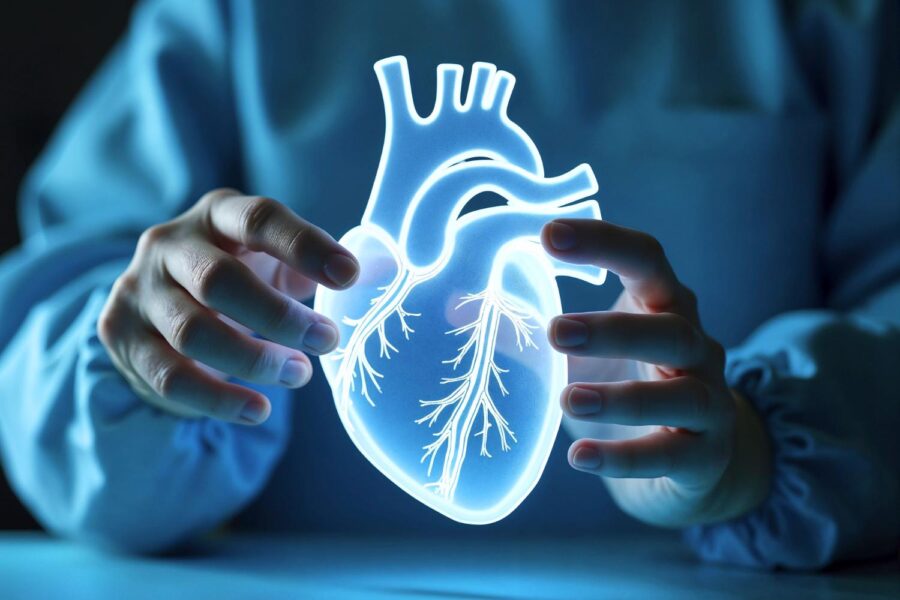
Bright light at night leads to a risk of heart attacks and heart failure
Researchers from Flinders University (Australia) have found that exposure to bright light at night significantly increases the risk of heart disease — including heart attack, stroke and heart failure. The work published in the journal JAMA Network Open was the largest conducted on this topic. Almost 89,000 UK residents took part in it, and their light levels and health were monitored for up to 9.5 years.
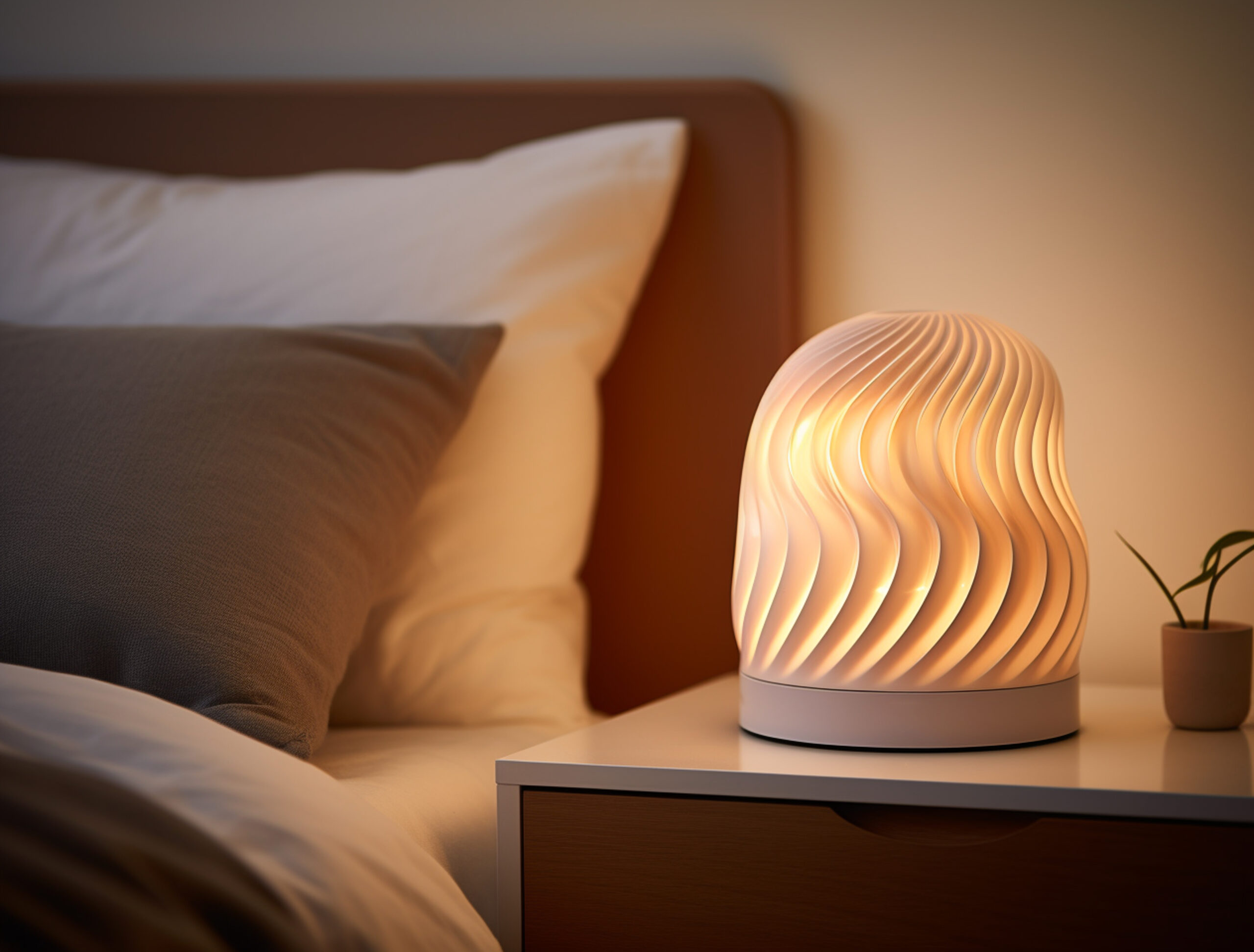
Wearable sensors on the wrists were used to measure the lighting, which collected more than 13 million hours of data. The results showed that participants who were exposed to the brightest lighting at night had a 56% higher risk of heart failure and 47% more likely to suffer from heart attacks than those who slept in the dark. These indicators remained significant even after taking into account other factors such as physical activity, diet, sleep, and heredity.
According to the study’s lead author, Dr. Daniel Windred, light at night disrupts the body’s natural circadian rhythms.:
“When we regularly expose ourselves to bright light at night, our internal biological clock gets disrupted. This increases the likelihood of developing dangerous heart problems. Fortunately, we can control the level of light around us by using blackout curtains, dimming the lights, and removing screens before bedtime.”
The study also found that women and young people are particularly vulnerable to night lighting. Professor Sean Kane, a co-author of the work, noted that women usually have natural protection against cardiovascular diseases, but when exposed to light at night, this barrier weakens.
Another co-author, associate Professor Andrew Phillips, emphasized that the danger is not limited to night shifts or brightly lit cities.:
“Even the habit of scrolling through the tape on your phone in bed or falling asleep with the TV on can disrupt the body’s natural rhythm.”
Unlike previous studies that analyzed the level of street lighting based on satellite images, this work for the first time used real data from wearable sensors, which made it possible to accurately assess the effects of light at home.
Light at night should be considered along with other risk factors such as poor nutrition, sedentary lifestyle or smoking. They call for the development of new lighting guidelines for homes, hospitals and cities to minimize the impact of night light on health.
“We have to take our biological clocks seriously. By protecting the natural rhythms of sleep, we also protect the heart,” concluded Professor Kane.
Published
October, 2025
Category
Medicine
Duration of reading
2–3 minutes
Share


Source
Scientific Journal JAMA Network Open. Article: «Light Exposure at Night and Cardiovascular Disease Incidence»
Don’t miss the most important science and health updates!
Subscribe to our newsletter and get the most important news straight to your inbox