Seven facts about studying the combined genome of bacteria
The combined genome of a community of organisms is called a metagenome. For example, there is a metagenome of bacteria living in the human mouth. In fact, this is not very accurate, because one community lives on dental plaques, another lives on top of the language, a third lives below, and so on. Bacterial communities were suspected to be extremely diverse, but there was no good way to describe this diversity.
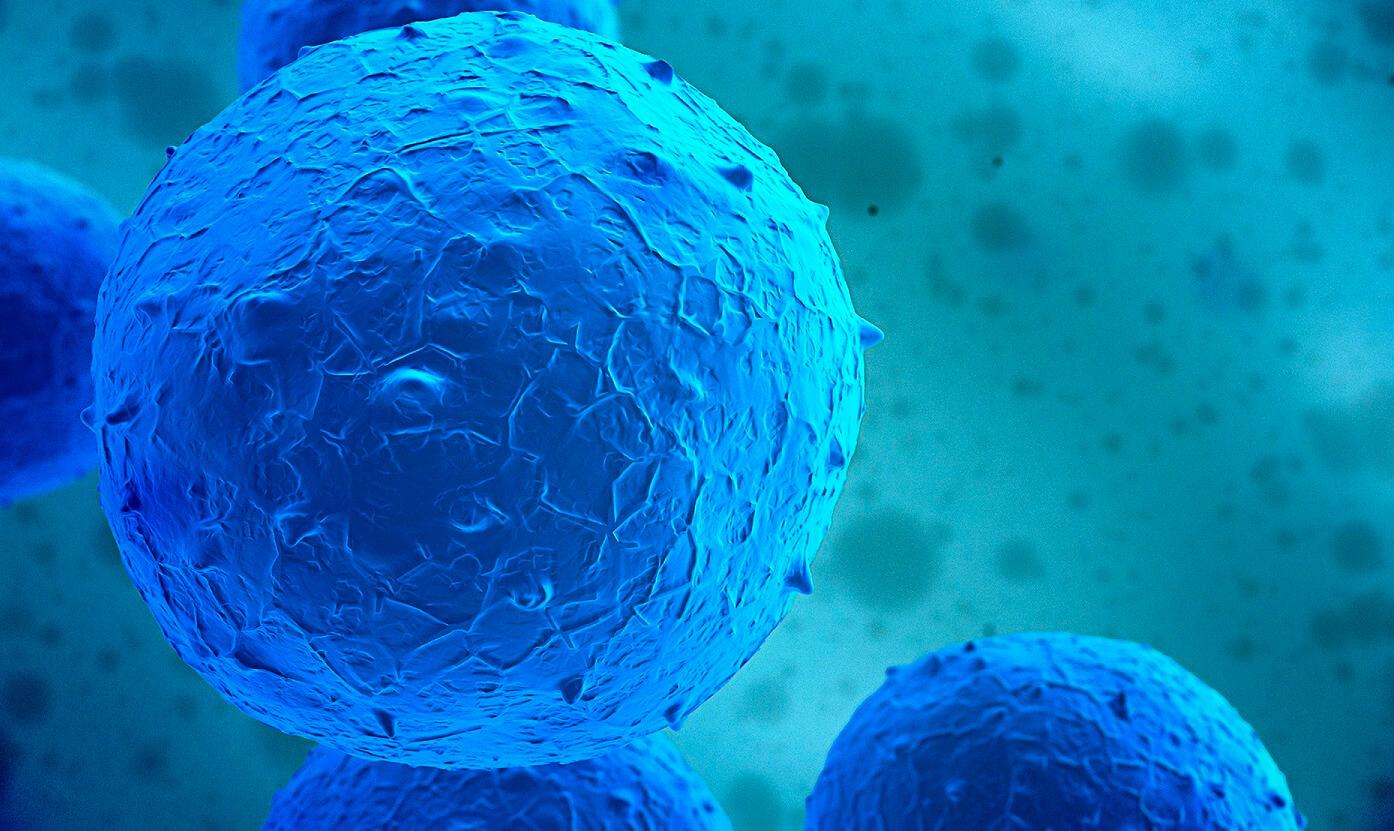
1. One of the significant surprises when methods of analysis through the determination of the genetic sequence appeared was how great the diversity was. These are hundreds of genomes, most of which were previously unknown. They are not cultured, meaning we cannot study them using classical microbiological means, and the only thing we can do with them is to study and compare their genomic sequences.
2. A person has at least 10 times more bacterial cells than his own cells. From the bacteria’s point of view, we’re just a big walking house. It is clear that bacterial cells are significantly smaller than human cells, but nevertheless, we carry 1-2 kilograms of bacteria with us.
3. Humans are a symbiotic organism, because we are highly dependent on the bacteria that live in us. For example, they interact with our immune system. Many autoimmune diseases, especially autoimmune intestinal diseases, are a consequence of the poverty of the bacterial flora: the immune system begins to work idly. To some extent, our bacteria protect against pathogens: if you have a healthy bacterial community and pathogenic bacteria enter your gut, they simply will not be able to enter this community. In addition, we have an exchange of substances with these bacteria. Vitamins are produced for us by the intestinal flora: we get some of them from food, and our intestinal bacteria make a significant proportion.
There are several international projects to study and compare the microbiomes of different parts of humans. You can describe their species diversity, or you can try to describe the functional properties of microbiomes as a whole. Microbiomes are different for different people. It is known that overweight people and thin people have different types of bacteria that live in their intestines. This can be investigated experimentally.: you take several sterile baby mice, infect some with some bacteria, others with others, and even if these mice are from the same litter, some will weigh tens of percent more than others with the same diet.
4. From a medical point of view, the effect of antibiotics is very significant, because antibiotics are what kill bacteria. You want to kill the pathogen, but at the same time you poison your own bacterial flora. There is a not very appetizing, but reasonable procedure, when before giving a person large doses of an antibiotic, stool samples are collected and then, in order to restore the intestinal microflora, these samples are seeded back into his intestines.
There is a fairly large group of bacteria, the so-called conditionally pathogenic, which are always present and normally have no effect on humans, and when the body weakens when taking large doses of antibiotics, when the microflora changes or immune problems occur, they begin to cause diseases.
Типичный пример – это золотистый стафилококк, он присутствует на коже у половины людей, а рожистое воспаление при этом все-таки бывает не у всех. Большинство из этих бактерий не культивируются.
5. There are beautiful papers on the metagenomic analysis of the World Ocean. Craig Venter is one of the authors of the first articles about the human genome, and his next big project was the metagenomic analysis of the ocean. He bought a yacht and sailed from Newfoundland across the Isthmus of Panama to the Pacific Ocean, and on the way scooped up water samples and then determined the sequence of the genomes of the bacteria that lived in these samples. We knew quite a bit about the bacteria that inhabit the world’s oceans, and this is a large proportion of oxygen production, comparable to the forests that we so actively protect. Most of the oxygen is produced by unicellular cyanobacteria in the ocean.
6. There are exotic and very beautiful examples of studying species-poor microbiomes associated with unusual conditions. For example, there is a former iron mine with acidic water, which is actually dilute sulfuric acid. There are several types of bacteria living there. Usually, when you do metagenomics, you can’t reconstruct complete genomes: you end up with pieces. And when there are few species and a lot of pieces have been read, they begin to stick together into complete genomes. A hybrid of metagenomic and classical microbiological approaches is already possible here.
7. There was also a wonderful story about the sea worm Olavius algarvensis, which has no stomach. Instead, he has several types of bacteria living in symbiosis in his skin. Again, we determined the sequence of all of them at once and described the metabolic relationships between these species: someone makes amino acids for the worm, someone helps this by supplying substrates for respiration. From the worm, the bacteria need it to crawl, since they themselves cannot move over long distances. It turns out to be a trolleybus that moves to the right concentration of sulfur, iron, and carbon dioxide. It is impossible to raise all these creatures individually: they can only exist as a whole. That’s such a wonderful metagenomic story.
Don’t miss the most important science and health updates!
Subscribe to our newsletter and get the most important news straight to your inbox
Published
July, 2024
Duration of reading
About 1-2 minutes
Category
Genetics
Share

