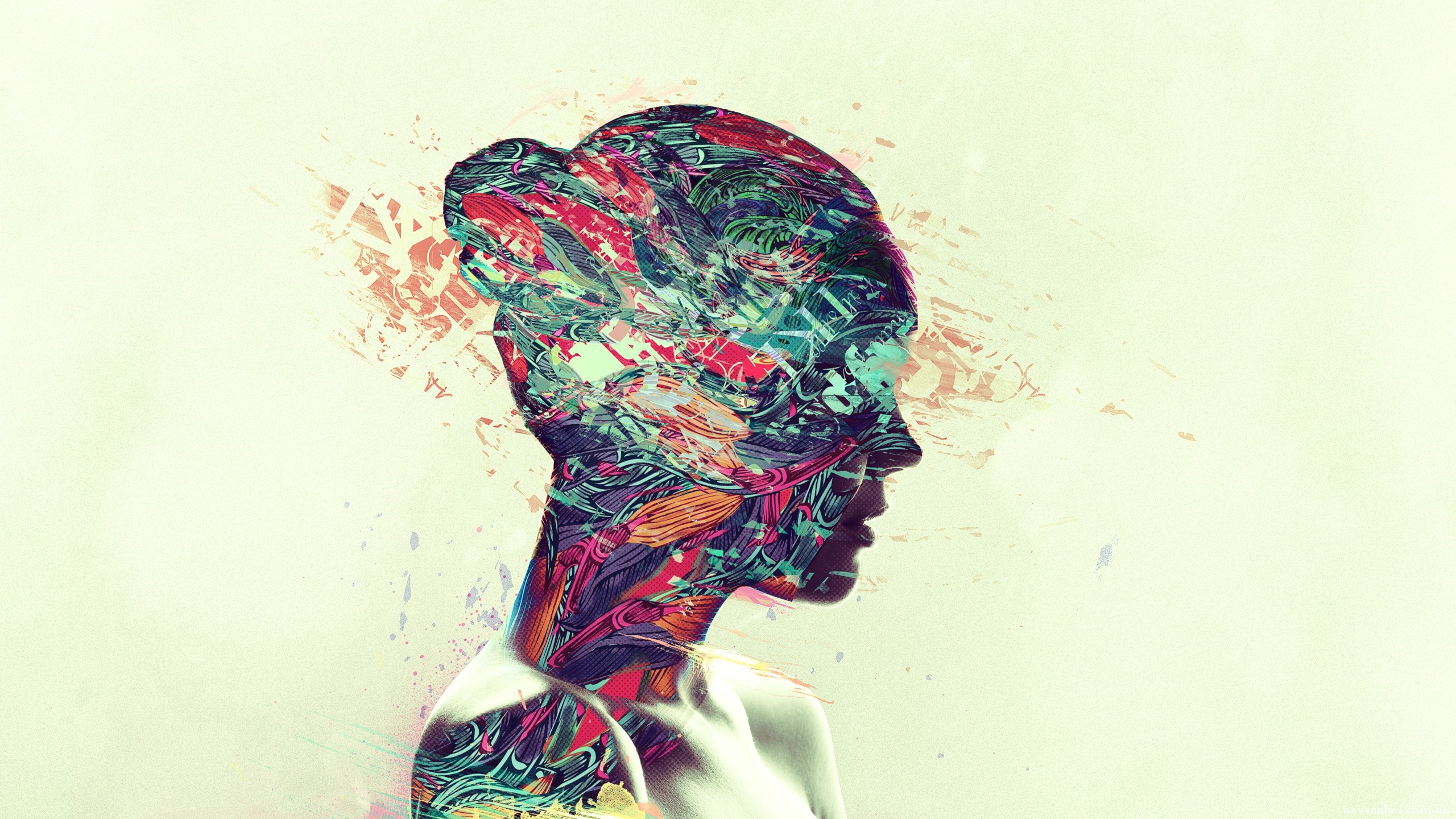
Ideally, this practice should be done in solitude, away from family, phone, and the news. It’s time for an emotional and mental break. And we need a place where we feel comfortable. If desired, you can turn on music that helps to calm down, writes Peg Streep. She shares ideas for practice.
1. Visualization of a person who helps to relieve stress
According to research by Katherine B. Carnelli and Angela K. According to Rowe, visualization can affect the state of mind not only in the short term, but also for a longer period — even for several days.
You need to spend some time preparing and writing down specific information about a person’s actions and words in order to make the practice more effective. Experiments have shown that it works.
“Visualize the chosen person using all your senses. Recreate in your memory his or her voice, laughter, smile. Remember the conversations and conversations in which you felt safe, and try to take a deep breath when you fill an imaginary picture with details,” the expert advises.
2. Visualizing a place where we are calm and happy
Maybe we’ve been there, or maybe we’re just dreaming of going there. Images found in advance — photographs, paintings — will help us imagine this place more accurately. The more details, the better.
Imagination can take us from home to the middle of a green forest, to the shore of a murmuring stream or to the top of a mountain. We can imagine a place and an activity that we enjoy, such as hiking, photographing, or gardening.
“Don’t forget to use all your senses. For example, if you imagine that you are on a beach by the ocean, remember the splash of waves and the cries of seagulls, the taste of salt on your lips, the fresh scent of the breeze and the feeling when your feet touch the sand.”
3. Visualization to feel the energy of inner growth
This practice is designed to help you focus on inner growth and play the role of a gardener for yourself.
- Relax and focus on visualization. Imagine yourself in a garden filled with beautiful flowers with a pleasant scent. Feel the smell of the earth, listen to the singing of birds and the faint rustle of leaves in the wind.
- Find the areas of your body where you feel the most tension and stress. It can be your back and shoulders, or your arms. Take a deep breath and try to release the tension.
- Imagine that you are a sprout, making its way out of the ground and slowly opening towards the sun. Imagine bright light and rays on your face, feel them moving slowly through your body, warming your neck and chest.
- Relax your arms and palms, releasing the inner strength that you have long forgotten about.
- Take another deep breath and imagine yourself as a gardener growing a flower.
- Keep this image in your mind — you are both a gardener and a flower.
- Take a deep breath and stretch well.
Everyone can come up with their own visualization options or use those suggested by the author. Practice and you will be able to easily revive images in your imagination that will take you to a wonderful place, restore inner strength, self-control and calmness.
Source