Ten popular medicines that are actually completely useless
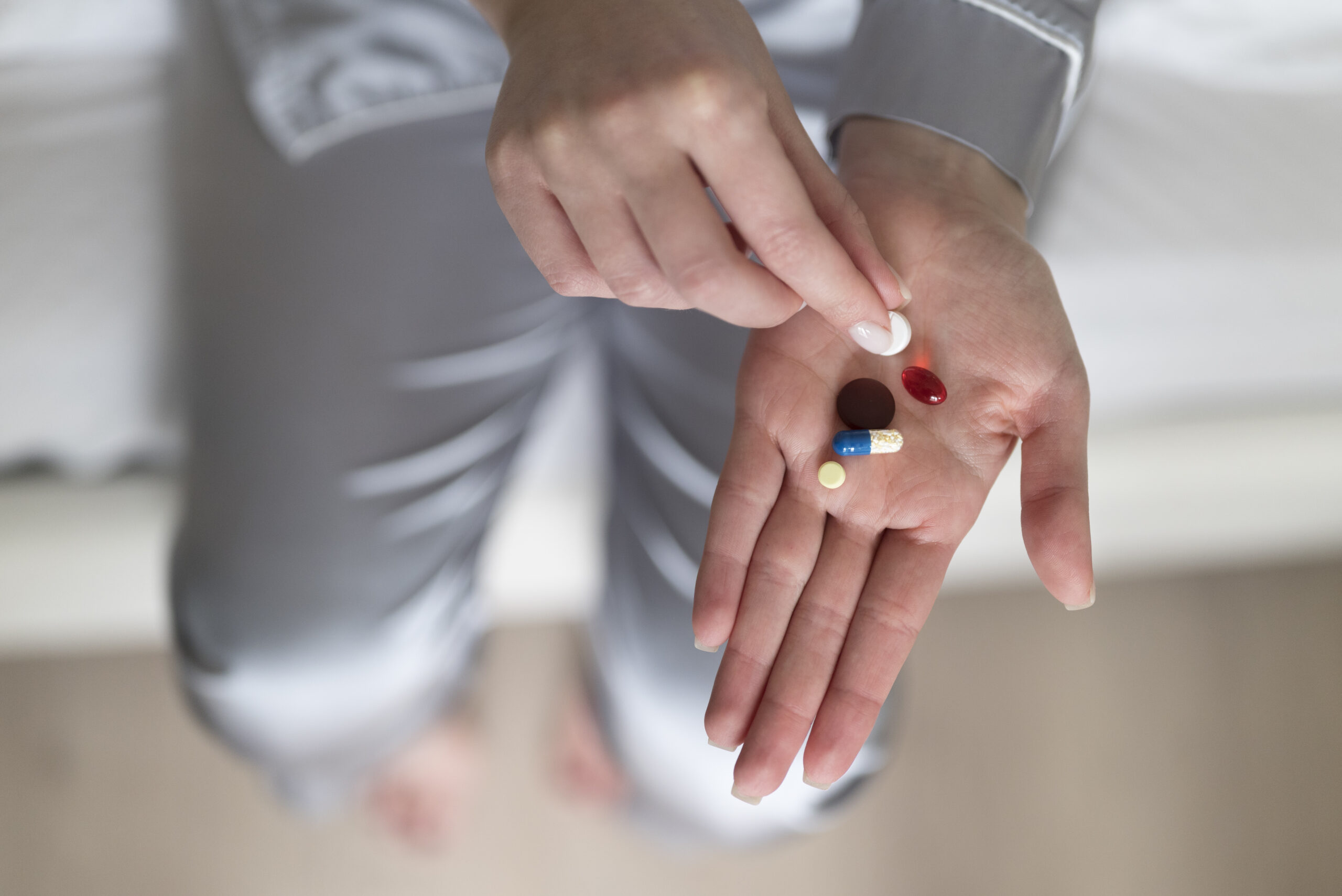
Our pharmacies sell a lot of drugs with unproven efficacy. Our legislation does not prevent this. Some of the drugs popular in Russia are banned in Europe. You can buy them from us without a prescription. They sell us sugar balls with duck entrails, calves’ blood, and herbal remedies disguised as miraculous remedies. Thanks to advertising, we are willing to take them for a lot of money, without even thinking about what these popular medicines are made of. But it should be. We have compiled a list of ten dummy medications that are worth giving up. You’ve probably heard of them, and maybe even used them.
1. Actovegin
According to Pharmexpert, actovegin ranks third in Russia in terms of sales among medicines. According to the description on the package, the drug activates the metabolism in the tissues and stimulates the regeneration process. What is he really like? Actovegin is an extract from the blood of cattle. Preparations from animal components are prohibited in the USA and Western Europe, therefore Actovegin is used exclusively in the CIS, China and South Korea. In Russia, the drug is widely prescribed at any stage of pregnancy to improve blood circulation, despite the risk of complications.The clinical efficacy of Actovegin has not been proven. A drug trial was conducted in Russia by order of the manufacturing company, but the research results were never made public. Moreover, when using actovegin, there is a possibility of contracting spongiform encephalitis, the carrier of which may be contained in the raw material — calf’s blood.2. Arbidol
Arbidol was developed in the 60s of the twentieth century and for a long time became the leader of the domestic pharmaceutical market. In the 1970s and 80s, the drug was recognized as effective against acute respiratory diseases of influenza virus types A and B, but the results of mass clinical trials of arbidol have not been published. Foreign experts were not interested in him. The American Food and Drug Administration did not register the drug as a medicinal product. Nevertheless, it is widely advertised and actively promoted at the highest level in Russia.3. Cerebrolysin
The drug is intended for patients with disorders of the central nervous system and attention, as well as dementia, but in Russia it is more often used to treat ischemic stroke. In 2010, the reputable international organization Cochrane Collaboration, which collects information on evidence-based research, published a review of the results of clinical trials of the drug. The condition of the group of subjects who were given cerebrolysin did not improve, and their mortality was the same as that of the second group who took a placebo. “According to our results, none of the 146 subjects showed any improvement in their condition when taking the drug.… There is no evidence to confirm the efficacy of cerebrolysin in the treatment of patients with ischemic stroke.”4. Mezim forte
The drug, created on the basis of pancreatin from the pancreas of pigs, should improve the digestion of food in the intestine. According to the manufacturers, the shell of the drug is soluble only in the alkaline environment of the small intestine. There, the enzymes included in the drug are released — amylase, lipase and protease, which improve digestion. In 2009, studies of the drug were conducted that questioned this. Valery Pechaev, President of the Association of Employers’ Organizations of the Medical and Microbiological Industry of Ukraine, said the drug was completely ineffective. According to him, the mezim forte shell dissolves in the stomach, not in the intestines, which makes the medicine useless. Representatives of Berlin-Chemie did not comment on the results of the study, limiting themselves to a retaliatory attack on Pechaev, whose company produces a competitor drug mezima. In any case, the famous slogan “irreplaceable for the stomach” deliberately misleads consumers. If mezim works, it’s only in the intestines.5. Novo-Passit
Manufacturers position the drug as a psychotropic drug that suppresses anxiety and emotional stress. In fact, it is an herbal tincture with an inflated price and questionable effect. Novo-Passit contains a complex of liquid extracts of medicinal plants: valerian officinalis, melissa officinalis, St. John’s wort, hawthorn, passionflower incarnata (passion flower), hops, black elderberry and guaifenesin extracted from the bark of the gayak tree. The latter is responsible for relieving the alarm. Guaifenesin is added to cough medicines. Its expectorant effect has been proven, but it is not known which antidepressant it is.6. Validol
Mint candy, refreshing breath, but not a cure for a heart attack. Due to a common misconception about the benefits of the drug for heart pain, it is placed under the tongue instead of nitroglycerin, risking ending up in the hospital with a heart attack.7. Corvalol, valocordin
It has been clinically proven that corvalol (the Soviet equivalent of the German valocordin) does not affect the cardiovascular system, while phenobarbital, which is part of the drug, accumulates in tissues and subsequently destroys them. Phenobarbital is banned in most developed countries, but our drugs with it (corvalol, valocordin) are sold without a prescription. In addition, the popular remedy for all heart diseases contains psychotropic components, which is why it is prohibited to import into the United States. Professor Vasily Vlasov stated the complete ineffectiveness of the drug, explaining its popularity: “These drugs are registered as a heart remedy, but they are useless for heart diseases. The history of valocordin’s creation dates back to the days when it was fashionable to treat all diseases with sleep. In fact, both drugs have an exceptionally sedative effect, which is extremely pleasant for the elderly, especially women who are embarrassed to drink a glass of vodka at lunch. The therapeutic effect of the drugs has not been proven by any clinical studies.”8. Linex and other probiotics
The drug is based on bifidobacteria and is designed to improve the intestinal microflora. However, due to the manufacturing characteristics, the effectiveness of the drug tends to zero. According to the manufacturers, one capsule of linex contains 1.2* 10″ live, but vacuum-dried lactic acid bacteria. This number is small — the same number of bacteria can be obtained from the daily allowance of fermented dairy products. When the drug is vacuum packed into capsules, most of the bacteria die. A comparative analysis of dry and liquid bacteria has shown that the former are much more passive, so the likelihood that the surviving bacteria will have time to have an effect on the body is low. In Russia, probiotics are incredibly popular because of the myth of “dysbiosis” actively promoted by their manufacturers – a condition of allegedly disturbed intestinal microflora that can supposedly be cured with drugs like Linex.9. Essentiale, Livolin,Essentiale N.
Like numerous analogues, the drug, according to manufacturers, improves the condition of the liver. There is no convincing data on this, and the companies that produce them are in no hurry to carry out the test. There is not a single study confirming the effectiveness of drugs against liver diseases. According to our legislation, they are not required.10. Ocillococcinum
A widely advertised flu remedy. The history of its creation is quite interesting, but the effect is questionable. Its analogue was created at the beginning of the last century. During the Spanish flu epidemic in 1919, French epidemiologist Joseph Roy, under a microscope, discovered mysterious bacteria in the blood of flu patients, which he named Oscillococci and declared the causative agents of the disease. Subsequently, it turned out that the flu was caused by viruses, and no one except the Frenchman could see the ocillococcal bacteria. The Rua vaccine based on mythical ocillococci from the blood of sick people proved ineffective, but the scientist was not going to give up. Following the main principle of homeopathy — to treat the like with the like, but in much smaller dosages, he took as the basis for the preparation an extract of the liver of birds, the main vectors of influenza in nature. His ideas were used by manufacturers of ocillococcinum, who indicate Barbary duck liver and heart extract as the active ingredient of the drug, moreover, there is negligible amount of it in the preparation. (A 10,400-fold dilution implies the absence of even one molecule of the active substance, not only in the package, but perhaps also in the carriage of the drug. For comparison, the number of atoms in the universe is approximately 1080 – MM.) Yes, you got it right, we are being offered to treat the flu with sugar balls with duck entrails. Needless to say, the effectiveness of the drug has not been proven.Don’t miss the most important science and health updates!
Subscribe to our newsletter and get the most important news straight to your inbox
Published
July, 2024
Duration of reading
About 3-4 minutes
Category
The placebo
Share

