Body assessment: prevention and self-diagnosis

Two fundamental principles that allow people to take advantage of the latest medical research are prevention and self-diagnosis of diseases. Responsible care and self-care significantly improve the quality of life: by following the rules of proper body care, a person can notice his biological clock ticking much slower.
Body assessment: prevention and self-diagnosis

A full partner of the doctor

There is growing evidence that self-care and mindfulness of one’s own condition ensure safety from environmental hazards. And while previously the passive approach to medicine was dominant, where a person received prescribed treatment from a doctor and strictly followed the recommendations, now he or she plays a significant role in managing his or her own health: he or she chooses workouts, diet and treatment. It turns out that he has a whole set of skills and tools necessary for self-treatment. And, without a medical degree, he is able to diagnose his own condition and prevent many diseases.

Don’t miss the most important science and health updates!

Subscribe to our newsletter and get the most important news straight to your inbox

Prevention first

Most of the preventive measures can be performed without medical assistance, if you choose a lifestyle that aims to keep your body working properly. In some respects, prevention is even more important than early diagnosis, because it can help to eliminate the possibility of some diseases. The main thing is to remember that a person is responsible for his or her own health. Five harmful lifestyle factors threaten the development of cardiovascular diseases and cancerous tumours: smoking, low physical activity, excessive weight, poor nutrition and alcohol abuse. The less healthy order a person leads, the more harm these factors do. To them the organism is not located at all, because in the process of natural selection it would take many millennia to adapt. It is therefore important to protect the body from their influence and follow the recommendations: eat right, drink clean water, be active, avoid stress, monitor the state of one’s brain and monitor the signs and symptoms that characterise changes in well-being.

Responsive self-diagnosis

This is the second basic principle by which you can stay healthy for a very long time. If prevention is not possible, diagnosis can help to detect the disease at an early stage, when effective treatment can still help. Early diagnosis is usually carried out by a doctor, but there are many procedures that can be done at home. The main ones include examining the mammary glands in women and testicles in men, measuring heart rate, blood pressure, breathing and body temperature, determining body fat content and the ratio of waist circumference to hip circumference, assessing physical fitness, and more. Let’s take a look at some of the above.

Breast self-exam

Many women, according to the survey results, are not aware of this procedure and do not pay attention to visible and invisible changes. However, any changes may indicate the development of the disease. During regular examination of the mammary glands by palpation, it is necessary to watch for such pathological changes: non-vanishing neoplasm in the breast or axilla, firm and immobile; retraction and thickening of the breast skin; discharge from the nipples, appearing without pressure; changes in the shape of the breast; redness, peeling on the skin. If at least one sign is detected, it is necessary to consult a specialist.

Testicular self-exam

Malignant lesions are very common in men, are painless and can spread to the lymph nodes and lungs. Inspection should be carried out at least once a month, doctors say, and it should be done after a bath or shower, when the tissues are in a relaxed state, supporting the testicle with one hand and examining with the other. The structure should resemble the density of a hard-boiled egg. Any hard lumps may indicate the development of a cancerous tumour.

Heart rate

Checking your pulse can provide valuable information about the condition of your heart. The most convenient place to measure is at the wrist. Simply place the index and middle fingers of one hand on the inside of the wrist of the other hand on the thumb side. Within 20 seconds you should count the beats and then multiply the resulting number by 3 – this will be the frequency of contractions. It is important not to press hard and to be at rest. Optimal frequency is considered to be less than 70. If the pulse rate is above 100, then, most likely, the body is in poor shape and there are health problems. In such a case, you should consult a doctor.

Blood pressure

Blood pressure can be measured very easily with a tonometer. It is most comfortable to be in a sitting position. The forearm and the measuring apparatus should be positioned at the level of the heart and the lower edge of the cuff about 2 cm above the elbow. Air is then forced into the cuff to a level 40 mmHg above that at which the pulse disappears due to vascular constriction. With the help of a phonendoscope, which is applied to the ulnar fossa at the point of pulsation, it is necessary to listen to appearing and disappearing sounds. To do this, air is slowly (at a rate of 2 mm Hg per beat) released. That point of the manometer, in which the first pulse beat appears, is called systolic pressure, and the one in which disappears – diastolic. The optimum value is considered to be <120/80 mmHg. If the pressure is significantly increased or decreased, there is a threat to health: there is a possibility of developing a heart attack or stroke.

Body fat values

A person needs to keep track of their body composition, so you need to have an idea of what part is made up of fat and what part is made up of everything else: muscle, bone, and blood. To measure fat content, special scales and portable devices are used, which are found in gyms and doctor’s offices. It is also available at home: with the help of a caliper you can measure the thickness of the folds in different places and calculate the approximate percentage of fat content based on the data obtained.

Measuring waist circumference in relation to hip circumference

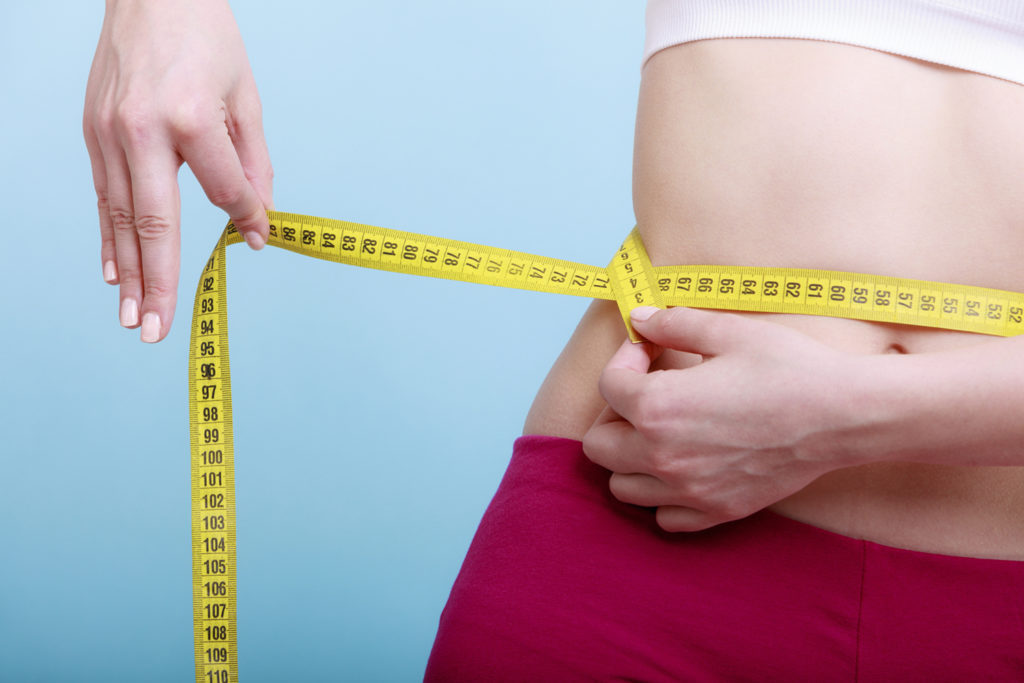
Fat tends to accumulate in different places: on the thighs and buttocks, on the arms, abdomen, etc. A large accumulation of fat is indicative of metabolic syndrome, in which cardiovascular diseases develop. A paper or plastic tape will be needed to perform the measurement procedure. The abdomen should be kept in a relaxed state and measured at the level of the navel. Then in the widest place you need to measure the circumference of the hips. The resulting value of the waist should be divided by the value of the hips. Optimal values are <0.80 for women and <0.95 for men. Higher values indicate an unhealthy metabolism.

In conclusion

Specialists recommend that people learn more about preventive care and self-diagnosis, but population surveys have shown that in Eastern European countries only a small percentage of people have medical skills to look after themselves. Of course, the development of self-medication in Russia needs special support and a programme developed by the health care system. Nevertheless, having minimal medical knowledge, a person is able to form an attitude to a healthy lifestyle, to take responsibility for his/her own body condition and for the condition of family members. By following prevention and control methods, he or she will be less prone to chronic diseases, feel better and live longer. Photo: www.susquehannawomen.org

Published

June, 2024

Duration of reading

About 3-4 minutes

Category

Aging and youth

Share

Send us a message