Pituitary hormones

The pituitary gland is a tiny pea-sized organ located at the base of the cerebral hemispheres. As the body’s main endocrine gland, it secretes many hormones that “travel” throughout the body, causing certain physiological changes or stimulating other glands to produce their own hormones.

The anterior, posterior and intermediate lobes, into which the pituitary gland is anatomically divided, synthesise different hormones, but they all share a common function – to maintain the constancy of the internal environment of the body.
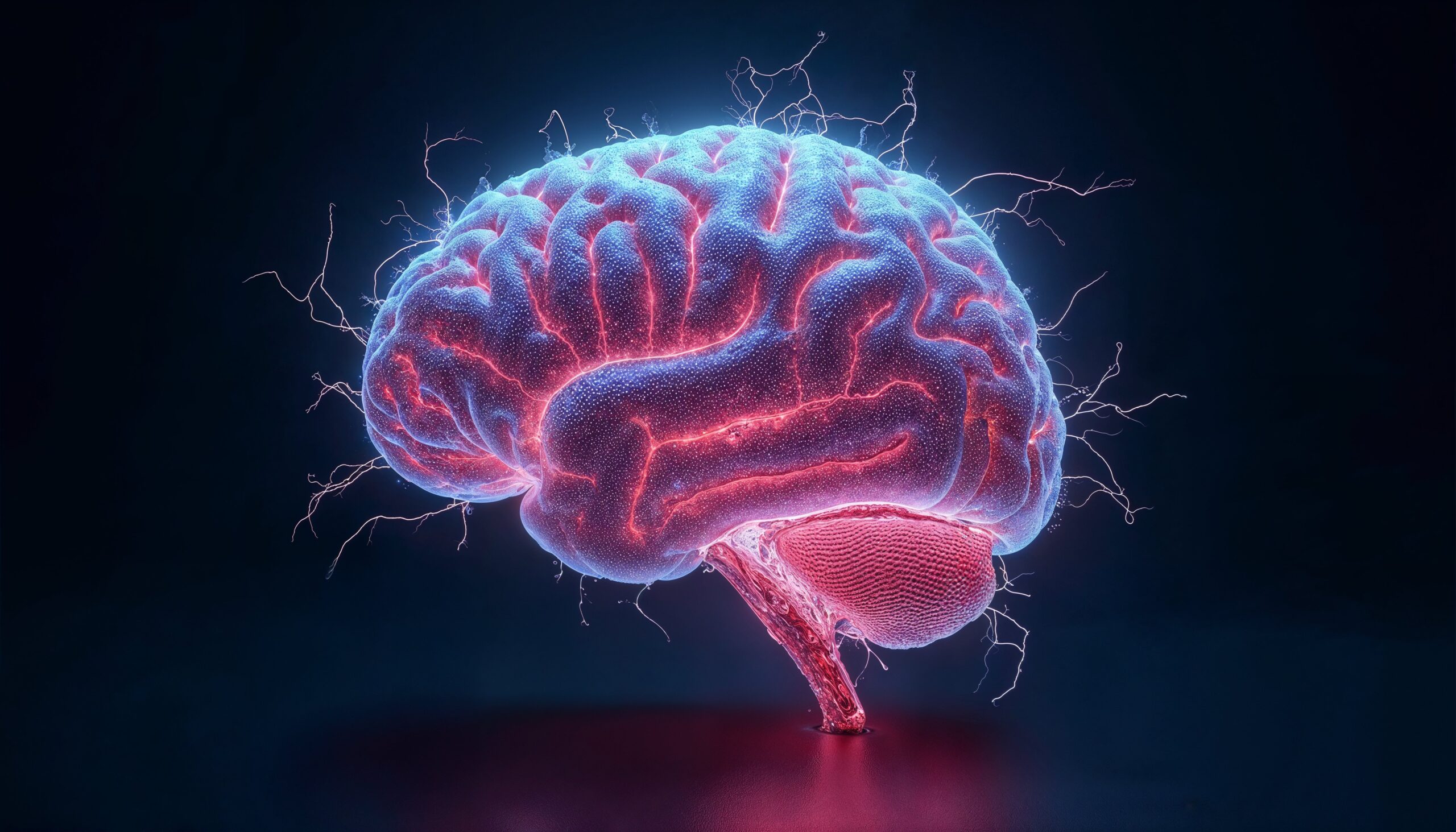
Pituitary hormones

Anterior lobe hormones

On the one hand, the anterior lobe of the pituitary gland secretes hormones that regulate the normal functioning of other endocrine glands. For example, thyroid hormone stimulates the thyroid gland to produce hormones that regulate the body’s metabolism, energy balance, growth and adequate functioning of the nervous system. Adrenocorticotropic hormone causes the secretion of the stress hormone cortisol. This hormone is extremely important for normal, active, functioning of the body, and its deficiency can even lead to death. Cortisol is necessary for the body to adapt to various unforeseen situations. Follicle-stimulating and luteinising hormones act on the sexual system: they cause the secretion of estrogen and progesterone, affecting the maturation of sex cells. The anterior lobe of the pituitary gland produces another set of hormones that act directly on the body’s target organs. These include:
  • Somatotropic hormone, which promotes the growth of our body. The intensity of its secretion depends on the time of day: its level of synthesis reaches a maximum at night during sleep.
  • prolactin is the “maternal hormone”: it stimulates the production of breast milk after childbirth.

Don’t miss the most important science and health updates!

Subscribe to our newsletter and get the most important news straight to your inbox

Hormones of the posterior lobe

The back of the pituitary gland is actually part of the hypothalamus, where its nerve cells end and where the hormones it secretes are stored. Oxytocin is a hormone that “forces” the uterus to contract during labour, making it easier for the baby to come into the world. Vasopressin (or antidiuretic hormone) regulates salt and water balance in the body: vasopressin “saves” water in the body by reducing the amount of water excreted in the urine. Its secretion increases when the concentration of dissolved substances in the blood is strongly reduced or blood pressure falls.

The hormones of the intermediate lobe

The intermediate zone is the part of the pituitary gland located between the anterior and posterior lobes and producing only one hormone — melanocyte-stimulating hormone. It causes skin cells to produce more melanin (skin pigment) when exposed to sunlight, thus protecting the skin from UV damage. Thus, it turns out that the posterior lobe of the pituitary gland does not synthesise hormones, but simply stores those received from the hypothalamus. In contrast, the anterior lobe produces hormones itself, acting on other glands of the endocrine system and many internal organs. The only hormone produced by the pituitary gland, located between its two lobes, has only one target: skin cells.

Published

July, 2024

Duration of reading

About 1-2 minutes

Category

Endocrine system

Share

Send us a message