The human genome

A genome is a collection of hereditary material enclosed in a somatic (any but a reproductive) cell, that is, a complete genetic system at the cellular level.
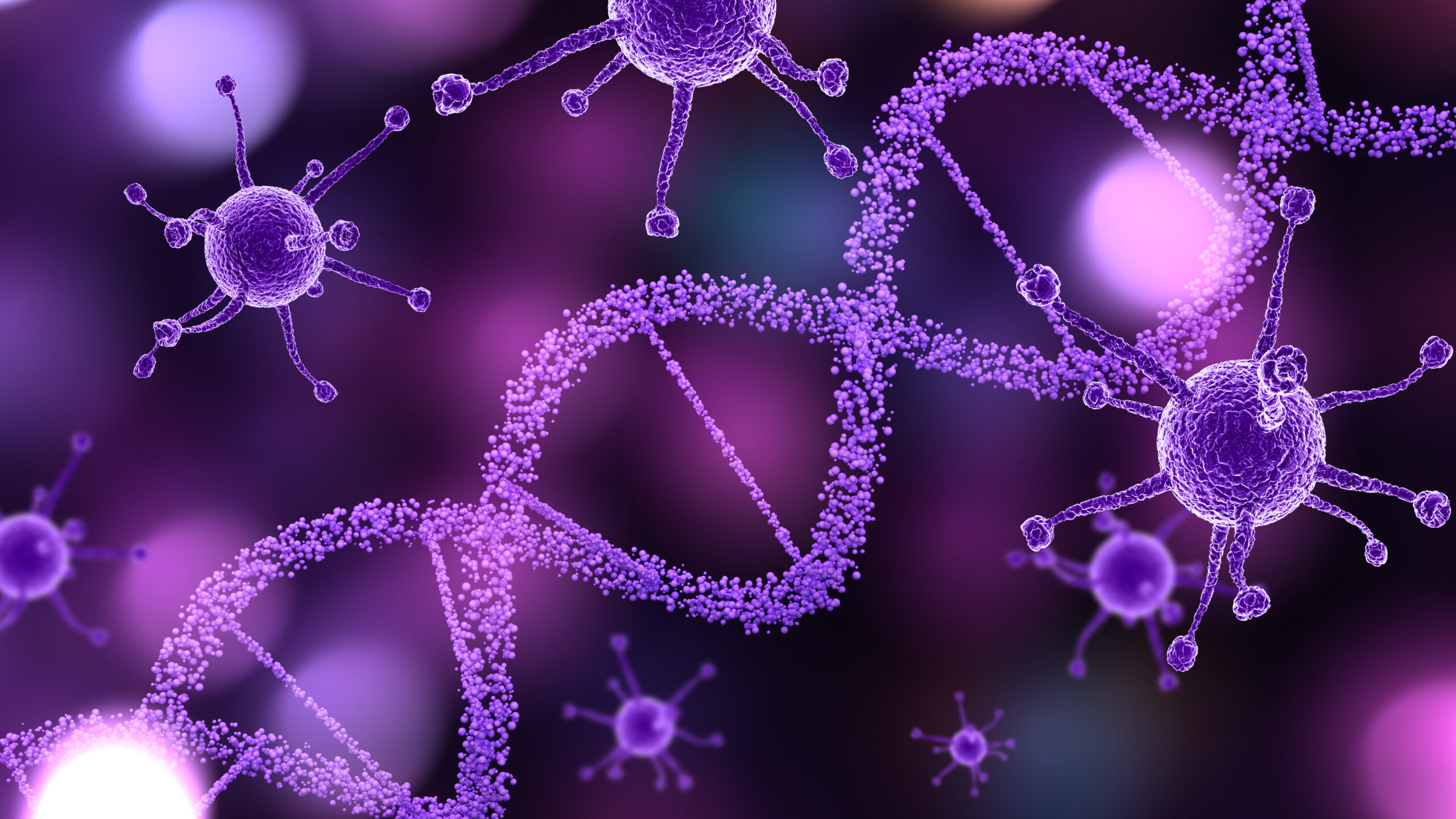
The human genome
The human genome consists of mitochondrial DNA and 23 pairs of chromosomes located in the nucleus. One can also find another definition of the term, in which a genome is understood as the totality of the genetic material of a haploid (single, that is, half of a complete, or diploid set) set of chromosomes of a given species. The haploid set is present in the germ cell, the gamete (in humans, gametes are a sperm and an egg). This definition implies that cytoplasmic genes (contained in mitochondria) are not included in the human genome. Modern genetic analysis takes into account a set of genes from chromosomes and mitochondria. The realization that the study of the human genome is extremely necessary for the development of science in general and medicine in particular came back in the 1980s. And on June 26, 2000, representatives of two research groups, the International Human Genome Sequencing Consortium (IHGSC) and Celera Genomics, announced that work on decoding the human genome had been successfully completed, and a draft version had been compiled. The Human Genome Project is the most ambitious biological research program in the history of science. Its creation cost 300 million dollars, and the research itself lasted fifteen years in total. Of course, the version published in 2001 was far from perfect. It took several more years to complete the transcription of the draft and almost doubled the cost of the entire project. The accuracy and completeness of the reading have become sufficient for an effective search for genes associated with a particular hereditary disease. In practice, this means that you can rely on a specific and accessible sequence of the entire genome right now without additional research. But, of course, work on reading the genome continues — some areas of the genome that have proved difficult to sequence (determination for amino acid or nucleotide sequence) are calculated outside the framework of the human genome decoding project. The number of human genes, named by different scientists, varies from 20 to 40 thousand. In addition to calculating the exact number of genes themselves, scientists cannot agree on what percentage of genes are biochemically functional. According to various estimates, from 10 to 90% of the genome has any functional significance. This is one of the most vividly discussed and controversial topics in the scientific community. In any case, the rest of the DNA is considered by many to be meaningless, or “junk.” But now it is recommended to use a more neutral term — “non-coding DNA”. Some sequences may still have functional activity that is still unknown to us. These segments can store the mutation history of a species. These parts of the genome are currently being actively studied. What other secrets does DNA hide? New answers to this question appear regularly, and perhaps it is in our age that this mysterious book of life will reveal all its secrets.

Don’t miss the most important science and health updates!

Subscribe to our newsletter and get the most important news straight to your inbox

Published

July, 2024

Duration of reading

About 1-2 minutes

Category

Genetics

Share

Send us a message