How magnetic fields are treated: Therapy for pain, stress, and Alzheimer’s disease
A magnetic field is an invisible force field caused by the movement of electrons in atoms. It is almost imperceptible to humans, but it affects things around us in a special way. In recent decades, there has been an increase in the use of magnetic fields for the treatment of various diseases. Methods such as transcranial magnetic stimulation (TMS) are considered proven, safe, and widely used in clinical and scientific practice. But can this technology prolong life and youth?
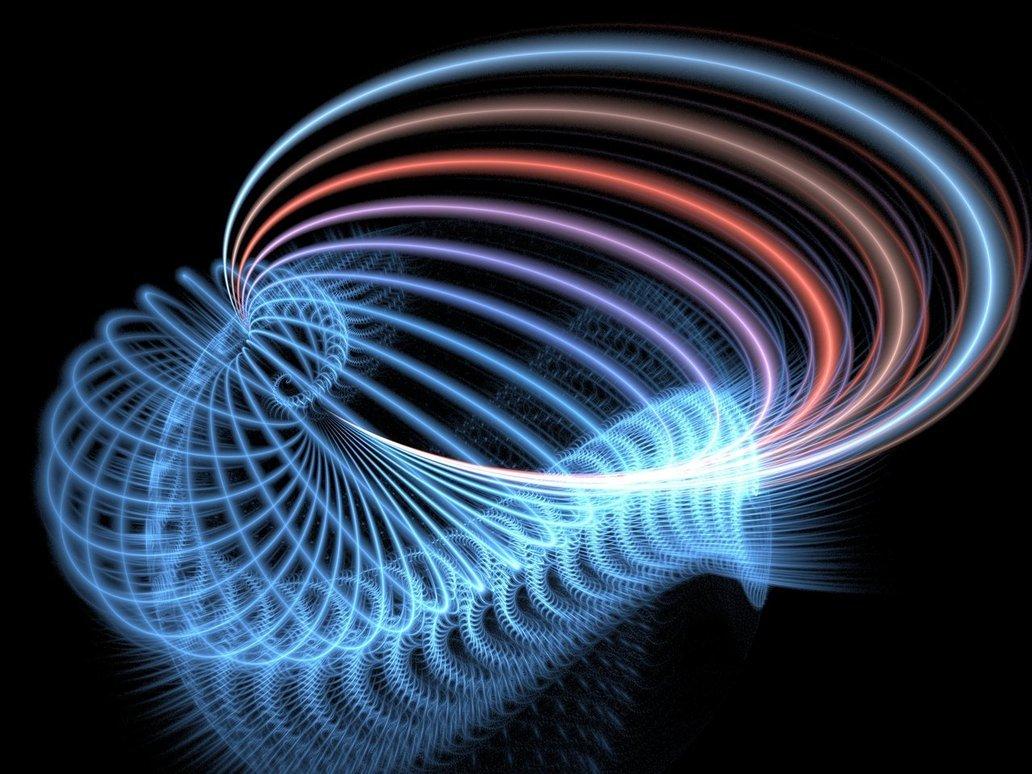
The nature of the magnetic field
The space near a magnet or a device in which a current moves is in a special state, which scientists have called a magnetic field. And in this space, forces appear that have a certain effect on other magnets and current conductors. But how does such a field arise?
It is known that a single particle with an electric charge creates an electric field around itself. It surrounds the particle from all sides and informs other charged particles how to move in response. If a particle with the same charge is nearby, it will be repelled. An oppositely charged one will be attracted closer.
But if you set this electric charge in motion, an amazing thing will happen: a new magnetic field will appear. It is caused by moving charges and affects only them. But the fridge magnet doesn’t move, does it? And the material it’s made of, yes. Each atom in this magnet has electrons, which are charges in motion, and each generates its own tiny magnetic field.
In ordinary materials (for example, cloth or paper), the electrons of atoms have different directions of movement, so the general magnetic field of such substances is very weak and almost imperceptible. In magnetic substances (iron and nickel alloys), a large number of electrons move in the same way, so the overall magnetic field becomes strong enough to be felt. Some materials (electromagnets) can become magnetized when an electric current passes through them. For example, when electricity passes through a coil of wire, it creates a magnetic field around it. However, this field will disappear as soon as the electric current is turned off. Such a magnetic field has been widely studied in recent decades and is used to treat a number of diseases.
Don’t miss the most important science and health updates!
Subscribe to our newsletter and get the most important news straight to your inbox
Transcranial magnetic stimulation
This is a method in which magnetic fields are used to stimulate the brain. During a TMS session, an electromagnetic coil is usually placed above the head. The electric current passing through the coil generates a magnetic field around it. It easily and painlessly passes through the skin and skull, reaching nearby neurons located at a depth of up to 5 cm, and is able to activate or suppress them for a short time. TMS is non-invasive, does not require anesthesia or electrode implantation, and is well tolerated compared to medications that often have side effects.
In 2008, the FDA approved the use of TMS for the treatment of depression. In addition, researchers are investigating the effectiveness of magnetic stimulation in treating the symptoms of schizophrenia, Alzheimer’s disease, Parkinson’s disease, attention deficit hyperactivity disorder, post-traumatic stress disorder and the consequences of a stroke.
In 2011, a group of researchers from Harvard Medical School published an article stating that magnetic stimulation relieves chronic pain. In 2018, scientists from the Mayo Clinic in collaboration with Dartmouth University showed that TMS can be useful in the treatment of migraines. There is evidence that magnetic stimulation helps with fibromyalgia. In addition, the magnetic field also affects higher cognitive functions related to perception, pleasure, assessment the received incentive, creativity etc. For example, an article in the European Journal of Neuroscience describes that stimulating the cerebral cortex helps to better cope with the task. And even food cravings and body weight can change from a small effect of a magnetic field on brain neurons, according to a new study published in the journal Diabetes, Obesity and Metabolism.
TMS is widely studied in various disorders in the hope that magnetic fields will become new methods of treating neurological disorders, pain, and help with rehabilitation. Major clinical trials are currently underway examining the effectiveness of TMS in depression, drug addiction, bipolar disorder, and obsessive-compulsive disorder. Despite promising research results, TMS has not yet been approved as an alternative to medications and is considered an additional therapy to the main treatment.
The effect of magnetic fields on the body
Researchers from the National University of Singapore have invented a device capable of repairing muscles in a non-invasive (without penetrating into the body) and painless way. The device generates a magnetic field that affects the muscles and reproduces the same regenerative, energetic and metabolic reactions as physical activity. Professor Alfredo Franco-Obregón, an employee of the Department of Surgery at the Yun Lu Lin Medical School from the Biomedical Institute for Global Health Research and Technology, explains that the energy produced by magnetic stimulation “tricks” muscle cells into thinking that they are exercising and, therefore, adapting and strengthening faster. Since muscles make up 40% of the body weight of an ordinary person, they play an important role in regulating the health of the body, and therefore affect life expectancy. The ability to manipulate muscle development can help control a person’s physiological state.
A new study published in the FASEB journal has shown that the magnetic field also has good potential for bone repair. The experts studied both cellular and animal models and found that the new method of exposure stimulates osteogenesis and bone remodeling. Thus, it became possible to repair major bone defects resulting from injuries, tumors, and infections without resorting to transplantation.
Jerry Jacobson, a professor at the Institute of Theoretical Physics and Advanced Research in the United States, and his colleagues believe that very weak magnetic fields (picoTesla) can reduce the harmful effects of physical injury, pathogenic microorganisms, stress, and anxiety. As a result of exposure to such fields, in their opinion, the body’s need for thermal energy to maintain homeostasis decreases, and the biological clock may slow down.
Conclusion
Until the 1950s, the great successes achieved in increasing human life expectancy were due to the elimination of infectious diseases. As a result, the average life expectancy has increased dramatically, but the maximum has not changed. If scientists are right, then many painful conditions are not the cause leading to aging or early death, but the result of natural thermal processes occurring in the body. It is believed that magnetic fields can mitigate the thermal effect, enhancing the reversible processes of the body and reducing emotional and physical stress. It is assumed that they are even able to affect telomeres and telomerase. Numerous clinical studies have already shown the effectiveness of magnetic fields against a number of diseases, and it is hoped that they will help preserve youth and radically prolong life.
Published
July, 2024
Duration of reading
About 3-4 minutes
Category
Biophysics
Share

