Scientists have found a way to trigger brain self-repair
The high ability of songbirds to learn and repair their brains conceals an aggressive “tunneling” mechanism that is virtually absent in humans. While the brains of most mammals remain static after birth, zebra finches (birds in the Fringillidae family) constantly renew their neural connections by literally tunneling new cells through mature tissues. This discovery raises a fundamental question for science: is the lack of regeneration in humans an evolutionary trade-off for memory stability, and is it possible to activate the hidden potential for self-repair in our brains without risking the destruction of our accumulated experiences
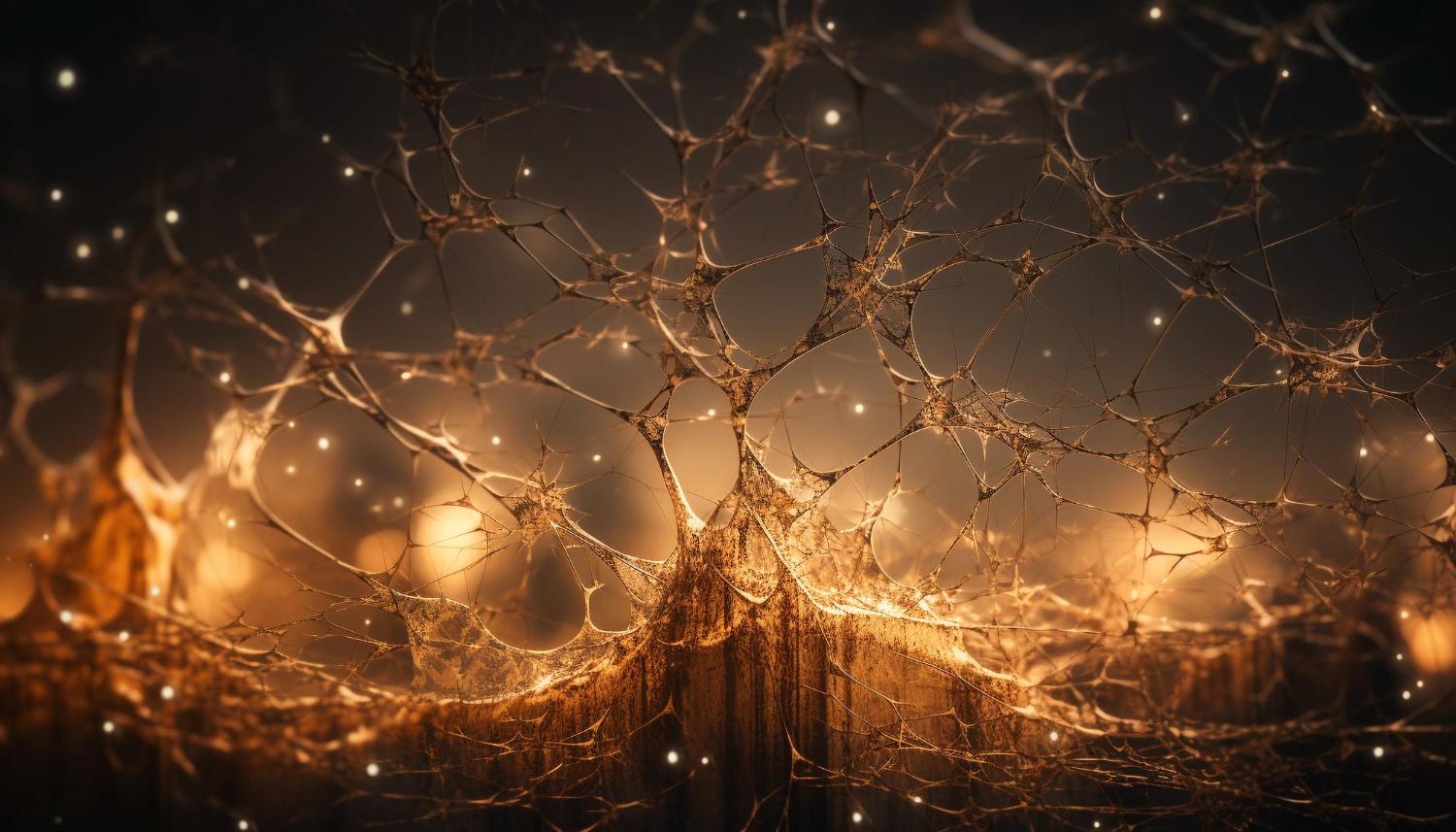
Unlike most mammals, birds, fish, and reptiles maintain a high rate of neurogenesis throughout their lives. Using high-resolution electron microscopy connectomics (a research field that uses electron microscopy to create detailed maps of neural connections), scientists have observed an unusual behavior in young neurons: instead of carefully navigating around existing structures, they literally tunnel their way through mature tissue. This process, known as cellular tunneling, involves the deformation and displacement of existing neurons and their connections.
The aggressive behavior of migrating neurons may explain why neurogenesis in humans virtually stops after birth. Researchers have hypothesized that the limitation of brain regeneration in mammals has evolved as a form of protection for long-term memory. If new cells were constantly tunneling through established neural circuits, it could lead to the destruction of accumulated knowledge and experiences. Therefore, the stability of the human brain is maintained by sacrificing the ability to self-repair, making us more vulnerable to diseases such as Alzheimer’s and Parkinson’s.
Previously, it was believed that neurons could only migrate along special guides, known as glial scaffolds, which disappear in humans shortly after birth. However, the example of zebra finches has proven that nerve cells can move independently, without the involvement of glia. This discovery challenges our understanding of the potential of stem cell therapy, as it suggests that neurons can migrate in the adult human brain without a “map,” making it easier to develop methods for repairing damaged brain regions after injuries or strokes.
At the moment, the research team is using single-cell RNA sequencing to identify the genes responsible for neuron movement. They are trying to understand how cells interact with each other during migration and what signals they exchange to integrate into the existing neural network at the right location. Identifying these molecular signals is crucial for understanding how to activate similar processes in the human brain in the future.
Studying the brains of songbirds provides a new perspective on human biology and the mechanisms of neurodegeneration. Understanding how birds manage to balance between adding new skills and preserving old connections could be the key to managing brain plasticity. Researchers hope that tools borrowed from birds will help create technologies that can trigger the regeneration of neural tissue in humans, restoring lost cognitive functions.
Published
April, 2026
Updated
Category
Science
Duration of reading
3-4 min
Share


Source
Scientific journal Current Biology. Article: Songbird connectome reveals tunneling of migratory neurons in the adult striatum
Global health science — in clear language
We select and translate the best international publications. Read 3 key materials about longevity every week!