New neuroimmune mechanisms of aging have been identified
The discovery of a previously unknown region of DNA provides a new perspective on the biological nature of senile asthenia, linking the functioning of the immune system and the brain. The identification of specific genes on chromosome 12 explains why some individuals remain active well into old age, while others experience early physical exhaustion. This finding lays the foundation for the development of early screening systems that can identify individuals at risk of frailty long before the onset of clinical symptoms.
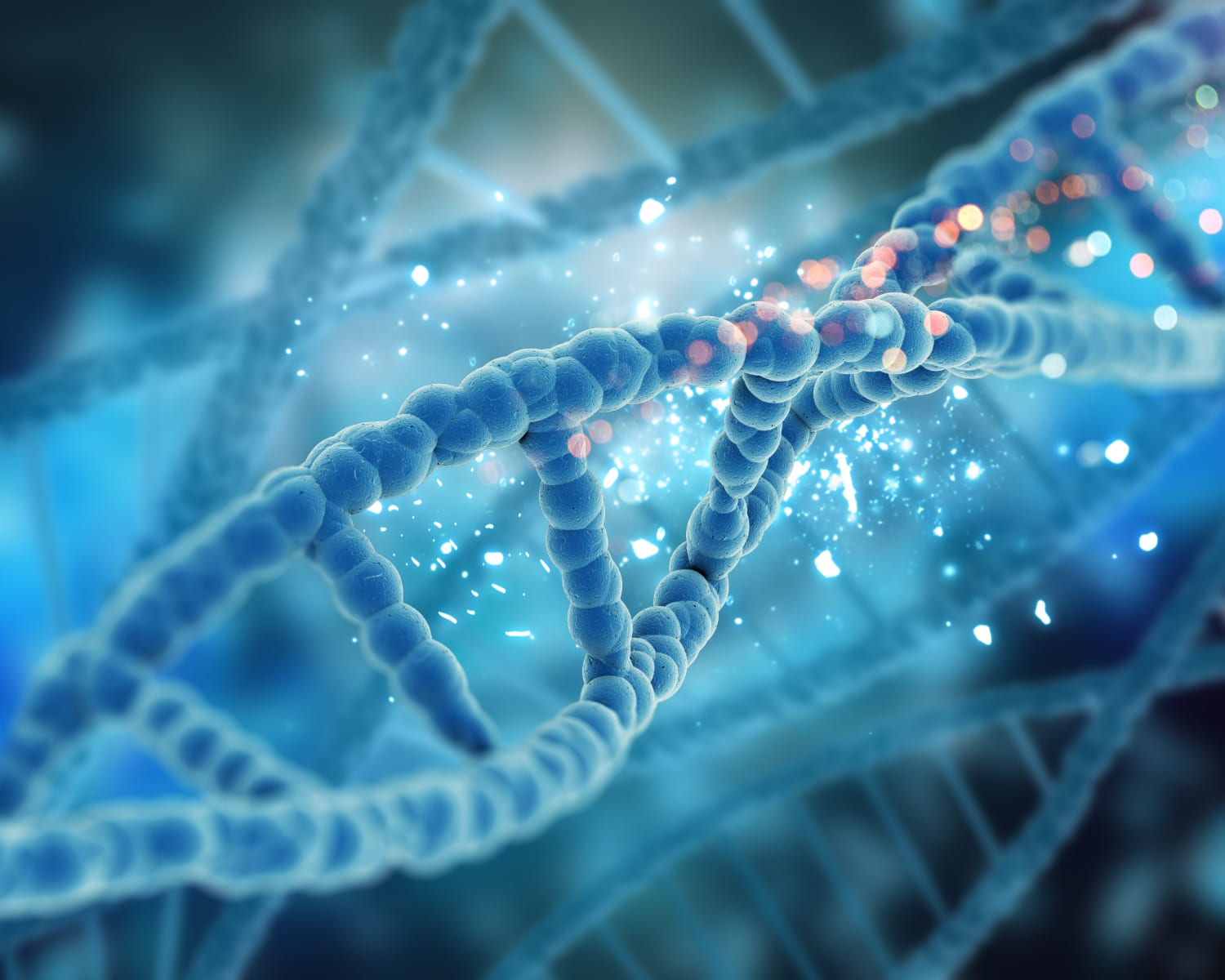
The problem of senile asthenia, or fragility, is one of the most serious challenges for modern gerontology in the context of global population aging. This condition is characterized by increased vulnerability to external stressors, risk of falls, hospitalization, and premature death. Until now, the biological mechanisms underlying the development of fragility have remained poorly understood. However, a large-scale study has revealed for the first time a specific region of the genome responsible for the predisposition to this condition.
The study used a genome-wide association study (GWAS) method, which involved analyzing more than 8 million genetic variants. The study was based on data from 23,000 participants in the Canadian Longitudinal Study on Aging (CLSA). The participants were classified into three categories: robust, pre-asthenic, and fragile. The classification was based on five clinically validated criteria: grip strength, walking speed, level of exhaustion, weight loss, and physical activity level.
The key result of the study was the discovery of a unique genetic variation in a previously unknown region of chromosome 12. Two critical genes, PLXNC1 and SOCS2, are associated with this region. PLXNC1 is primarily involved in neurobiological processes and the functioning of the central nervous system, while SOCS2 plays a fundamental role in regulating the immune response and suppressing inflammatory processes. This discovery provides biological evidence that fragility is a result of a combined disruption of brain and immune function.
The presence of specific variants of these genes correlates with accelerated functional decline. This discovery challenges the perception of frailty as an inevitable consequence of chronological age and transforms it into a biological process that can be influenced. By integrating data on the genetic region of chromosome 12 into clinical practice, we can personalize support for older adults based on their individual risk profile.
Further stages of scientific work include the validation of the results obtained on more diverse ethnic samples and the study of how exactly the PLXNC1 and SOCS2 genes affect the level of systemic inflammation over time. In the future, these data may form the basis for the development of tools for early screening and targeted therapy. The goal is to create conditions in which medical intervention begins at the stage of genetic predisposition, which will significantly extend the period of active and independent longevity.
Published
April, 2026
Updated
Category
Science
Duration of reading
3-4 min
Share


Source
Scientific journal npj Aging. Article: A hidden DNA region helps drive frailty, exposing brain and immune links that reshape aging risk
Global health science — in clear language
We select and translate the best international publications. Read 3 key materials about longevity every week!